LiveMarket prices
Wheat flour (packaged)58+0.0%Ginger (imported)167+0.0%Ginger (local)154+0.0%Aman rice (medium)56+0.0%Aman rice (coarse)48+0.0%Aman rice (fine)72+0.0%Iodised salt (packaged)32+0.0%Green chilli218+0.0%Broiler chicken162+0.0%Mutton900+0.0%Sugar (local)132+0.0%Chickpeas (whole)85+0.0%Farm eggs (red)47+0.0%Onion (local)60+0.0%Boro rice (medium)55+0.0%Boro rice (coarse)47+0.0%Boro rice (fine)66+0.0%Beef729+0.0%Mung dal122+0.0%Garlic (imported)192+0.0%Garlic (local)173+0.0%Soybean oil163+0.0%
Updated 7 October 2026
Dhaka30°Clear skyHumidity 64%Wind 4 km/h
Bangladesh

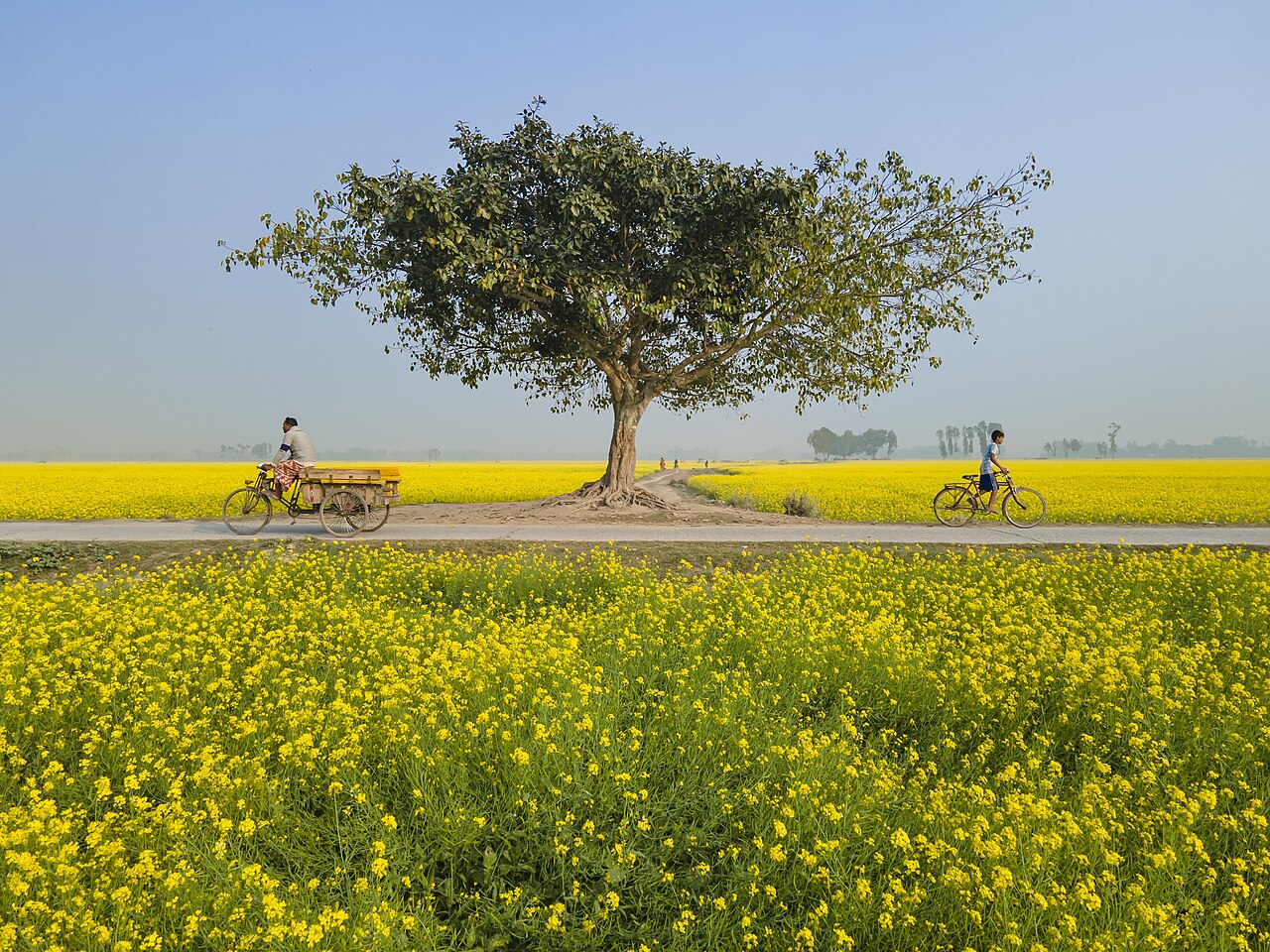
AEZ-4 Karatoya-Bangali Floodplain: Where Rivers, Fertile Sediments and Farmers Shape Northern Bangladesh's Agriculture

The Karatoya-Bangali Floodplain, Bangladesh's fourth agro-ecological zone, covers about 257,000 hectares of Sirajganj and eastern Bogura. Old river sediments left a mix of higher ridges and wetter basins, acidic soils short of several nutrients, and farms that grow rice, jute, potato, mustard and more. Recent trials on farmers' fields in Gabtali show what diversified cropping can earn, and satellite data and artificial intelligence could help match each field to the right crop, provided every prediction is tested in real fields.
Tania Chowdhary5 October 202610 min read
Bangladesh

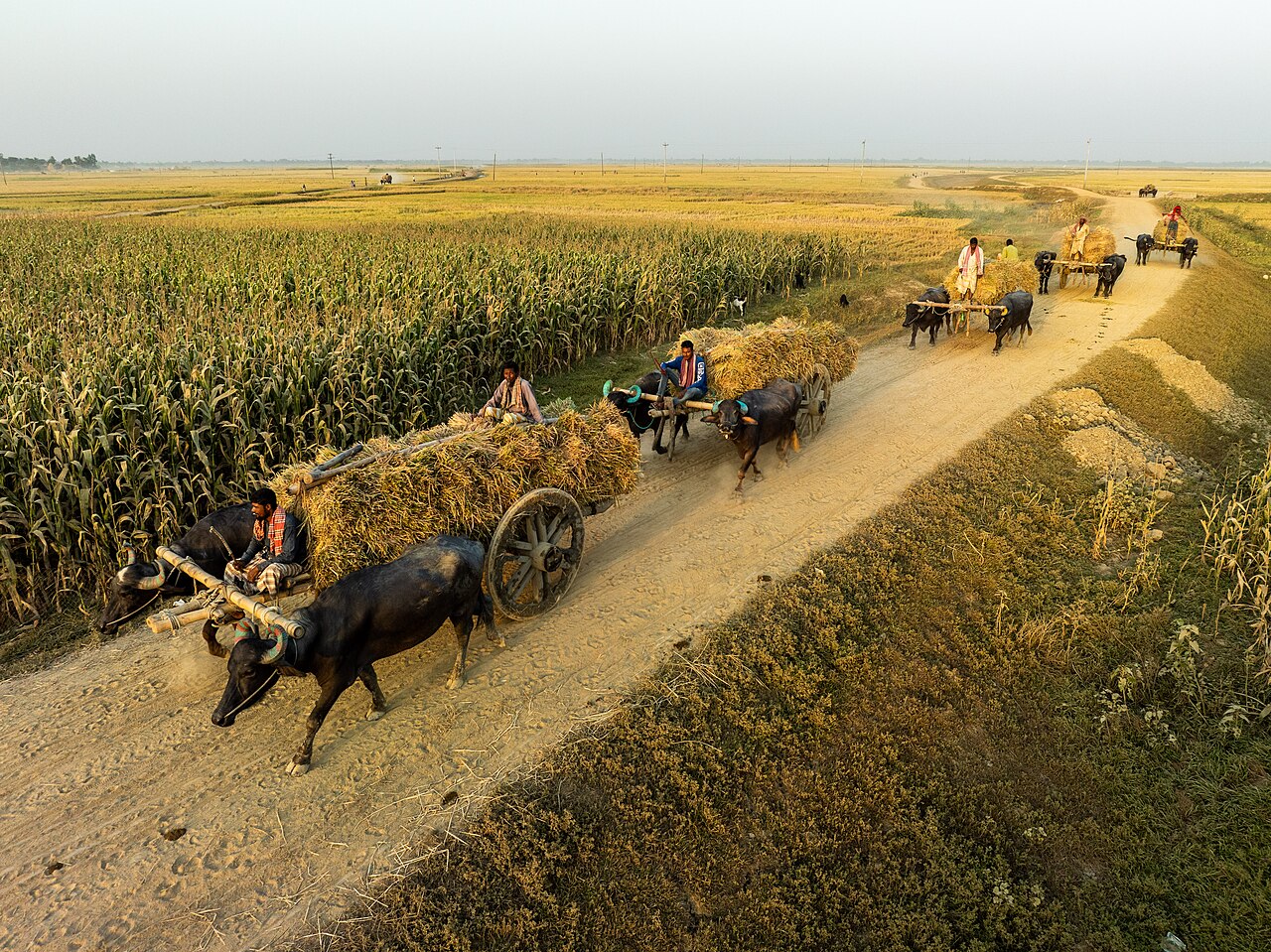
Tista Meander Floodplain (AEZ-3): Ridges, Basins and the Changing Harvests of Northern Bangladesh

The Tista Meander Floodplain, Bangladesh's third agro-ecological zone, covers nearly a million hectares from Panchagarh to Bogura. Old river courses left it a patchwork of quick-draining ridges and wetter basins, acidic soils short of several nutrients, and farms that grow rice, potatoes, maize and mustard side by side. New research at Rangpur shows four and five crops a year are possible, and satellite data and artificial intelligence could help match each field to the right crop, if their advice is tested in farmers' fields first.

Tania Chowdhary2 October 202612 min read
Bangladesh

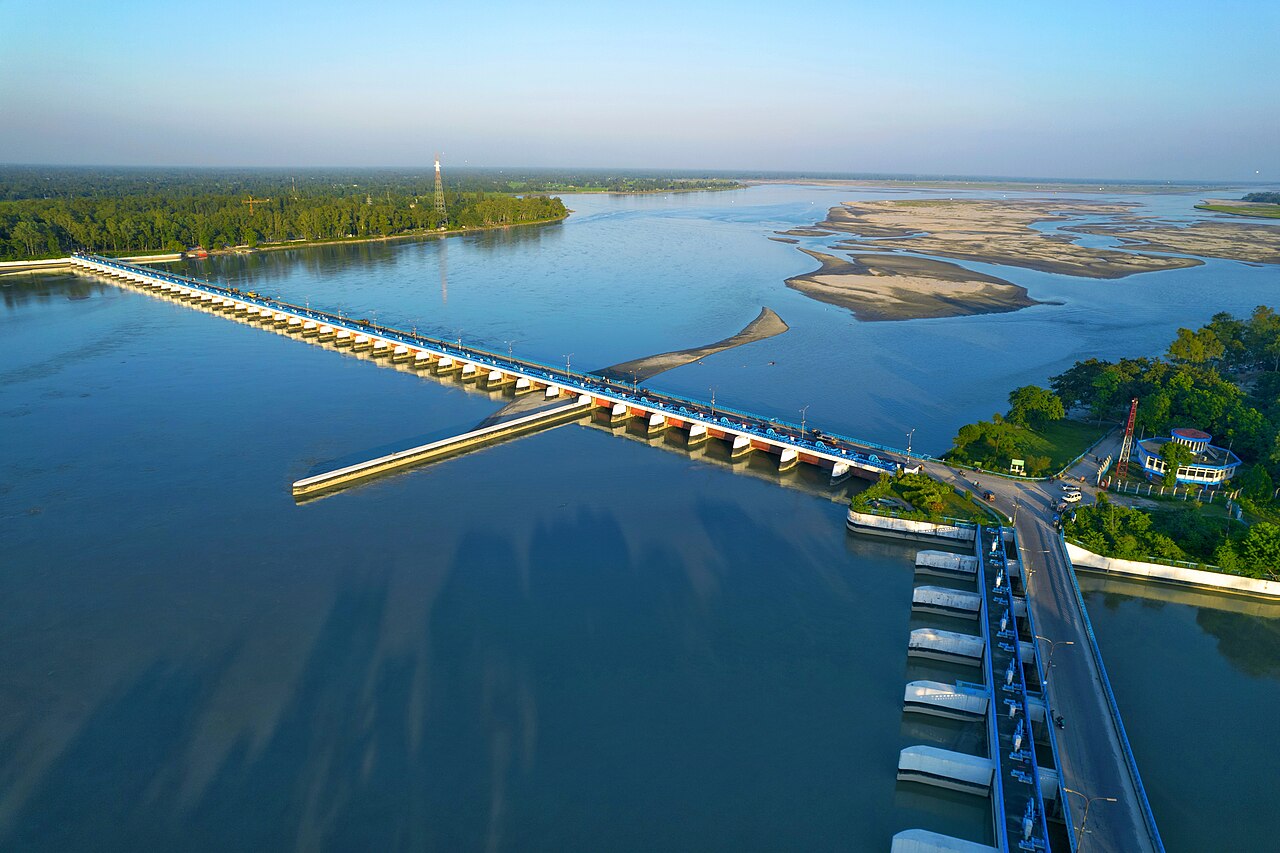
Active Tista Floodplain (AEZ-2): Farming Where the Teesta Gives and Takes Land

Bangladesh's second agro-ecological zone is a narrow, restless belt along the Teesta, Dharla and Dudhkumar rivers. Here the river builds new land and takes old land away, and farmers grow maize, potatoes, chillies and carrots on chars that may vanish in the next flood. Understanding it takes village-level records, and satellite images and machine learning can help only when they are checked in farmers' fields.

Tania Chowdhary30 September 202612 min read