
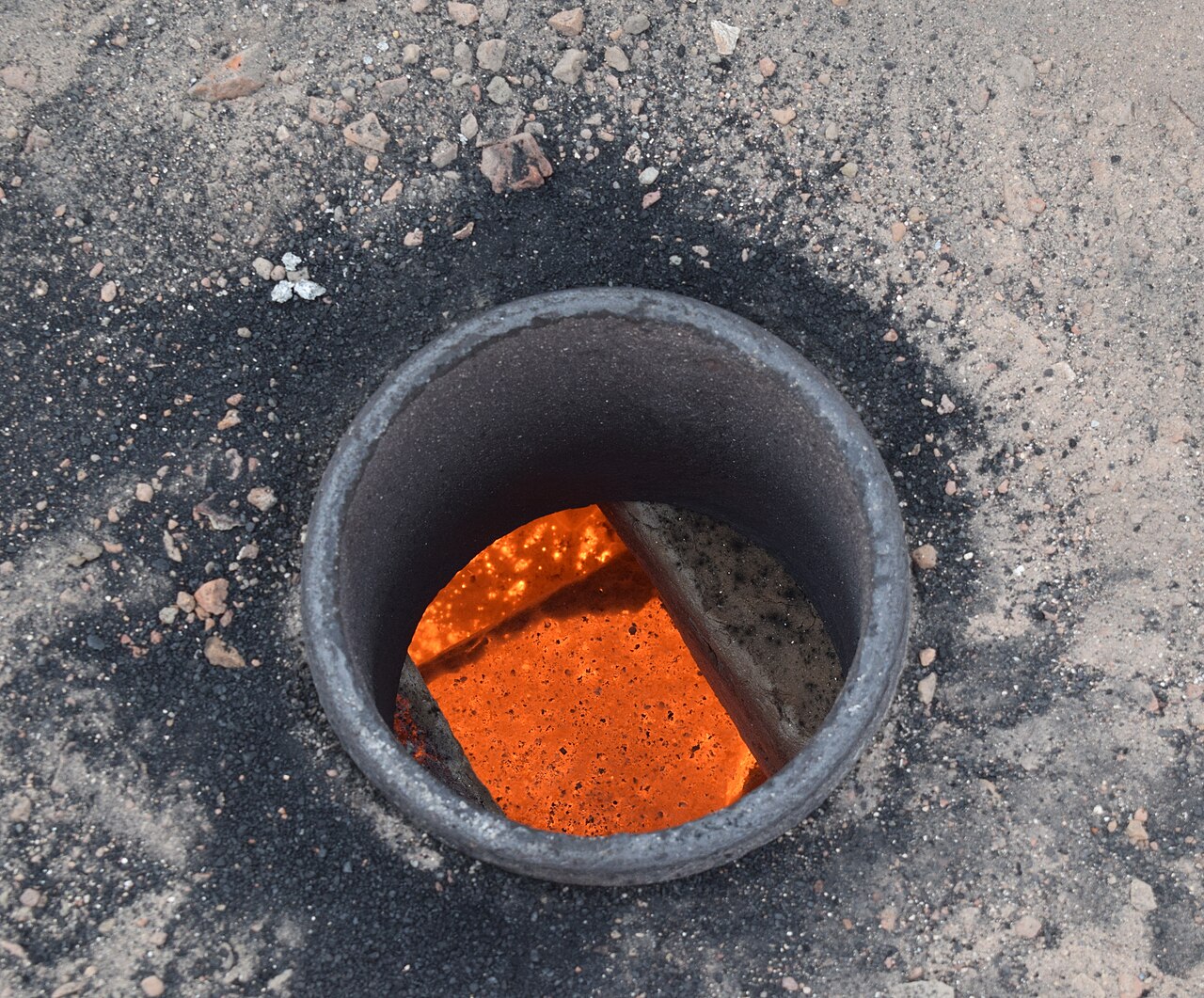
To make bricks, the fertile top layer of Bangladesh's farmland is being dug away, while smoke, dust and ash from kilns settle on nearby fields, orchards and homes. Soil quality changes, crops grow poorly and farmers lose output and income. A report by News Bangla 24's special correspondent warns that over time this could weigh on the country's food security.
On Thursday (12 November) a High Court bench of Justice J B M Hassan and Justice Aziz Ahmed Bhuiyan ordered illegal brick kilns across the country shut. The director general of the Department of Environment and all divisional commissioners were told to report progress on earlier directions by 14 December.
Topsoil is the most valuable part of a field, richest in organic matter, nutrients and useful microbes. A 2021 study in the Journal of Soil Science and Environmental Management, from Raozan in Chattogram, analysed 18 kilns, 62 crop fields and 72 residents. Rules bar digging deeper than 30 centimetres, yet soil was being taken from 90 centimetres to 2.4 metres deep. Fields near kilns had lower soil fertility and lower crop and fruit yields, and the measures improved with distance from the kiln.
In the same study, more than 95 per cent of respondents living within 500 metres of a kiln named dust on leaves as a main problem for garden plants; dust on leaves can hinder photosynthesis. A significant number of farmers said rice, potato, pumpkin and tomato output near kilns had fallen. Lower yields mean more fertiliser and inputs for the same harvest, and higher costs.
Heavy metals are building up too. A 2022 study in Environmental Challenges of three kilns in Ashulia tested soil up to 400 metres away and found an average cadmium concentration of 2.82 milligrams per kilogram, more than double the 1.40 milligram limit the study used. Some of these elements can enter the food chain.
The air bears the burden as well. The World Bank's 2023 environmental analysis of Bangladesh attributes about 25 per cent of sulphur dioxide emissions in greater Dhaka to brick kilns. A 2025 study using satellite data from 2002 to 2024 and the locations of more than 9,000 kilns found vegetation health declining steadily around sites after kilns were set up.
There are fixes. A 2025 field experiment published in Science with 276 zigzag kilns in Bangladesh found better operating practices cut fuel use by 10.5 per cent along with carbon dioxide and fine-particle emissions. The report calls for an end to topsoil cutting, approved fuels, emission monitoring, restoration of damaged land and regular soil testing.
Photo: Dolon Prova / Wikimedia Commons (CC BY-SA 4.0)
Source: News Bangla 24


Comments
(0)