
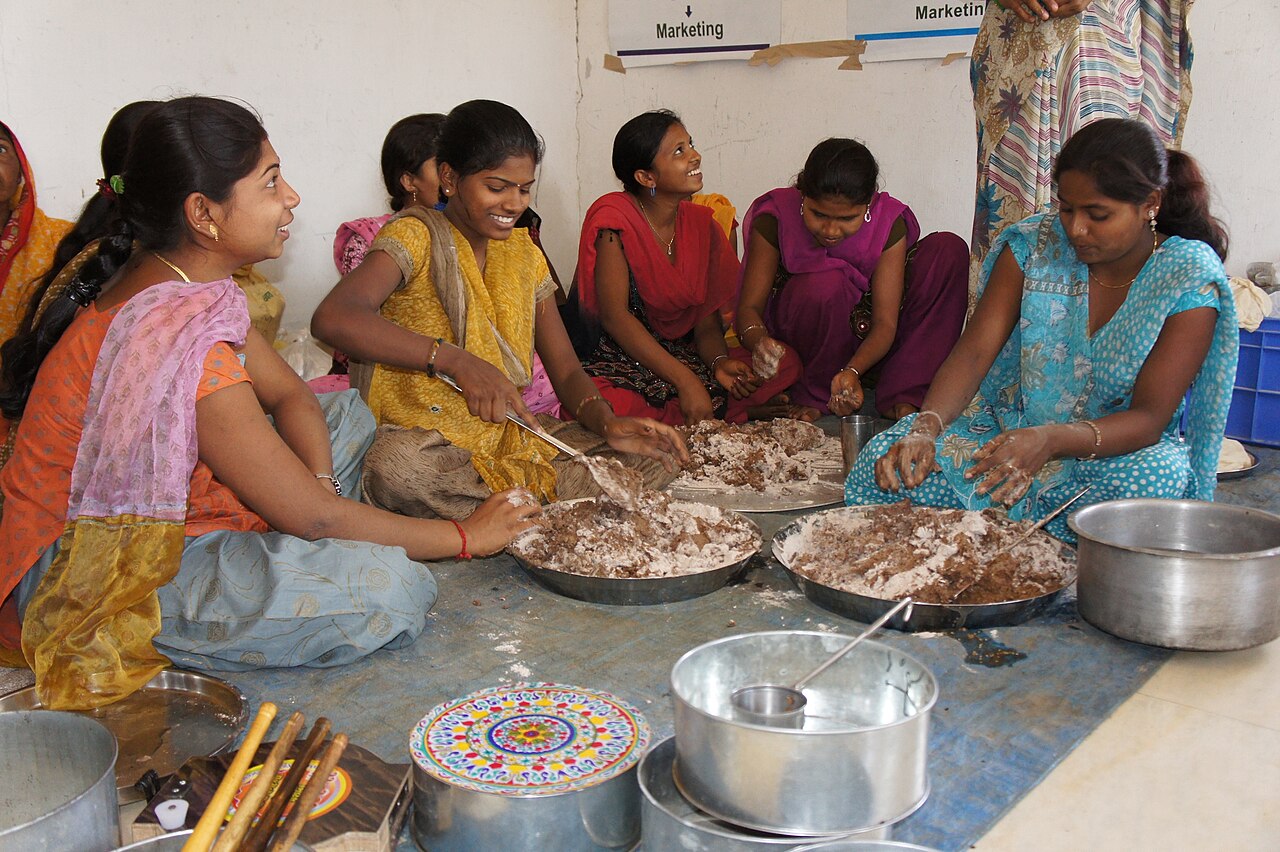
VL Mandua 400, an early-maturing finger millet (ragi) variety developed by ICAR-Vivekananda Parvatiya Krishi Anusandhan Sansthan (VPKAS), Almora, is becoming a dependable crop for farmers in Karnataka, the institute reported after a field day at Ujjaini village in Vijayanagara district, held with the National Seeds Corporation (NSC), Davangere.
Despite severe drought in this El Niño-affected season, farmers growing the variety under rainfed conditions, with no irrigation, are harvesting about 10 quintals of grain an acre in 90 days. Farmers with assured irrigation report nearly 20 quintals an acre. Other popular finger millet varieties in the region take around five months to mature.
The variety also gives a good quantity of quality stover, which farmers can sell or feed to livestock. Bred mainly for rainfed kharif cultivation, it has also yielded about 20 quintals an acre under irrigation in the summer season, which the institute says opens room for it in irrigated systems.
VL Mandua 400 has spread to about 70 hectares in Karnataka, and the institute reports seed sales of 700 in a single season (the release does not give the unit). Dr Lakshmi Kant, director of ICAR-VPKAS, praised farmers and NSC Davangere for taking up the variety and urged them to try the institute's other new early-maturing varieties. Speakers stressed seed exchange between farmers to spread it faster.
About 150 farmers, members of farmer producer organisations, NSC officials and ICAR-VPKAS scientists attended. The institute describes the variety as a "minimum-guarantee crop" for farmers facing extreme weather, because it matures early and yields reliably under moisture stress.
Photo: Crops for the Future / Wikimedia Commons (CC BY-SA 3.0)
Source: ICAR
Comments
(0)