
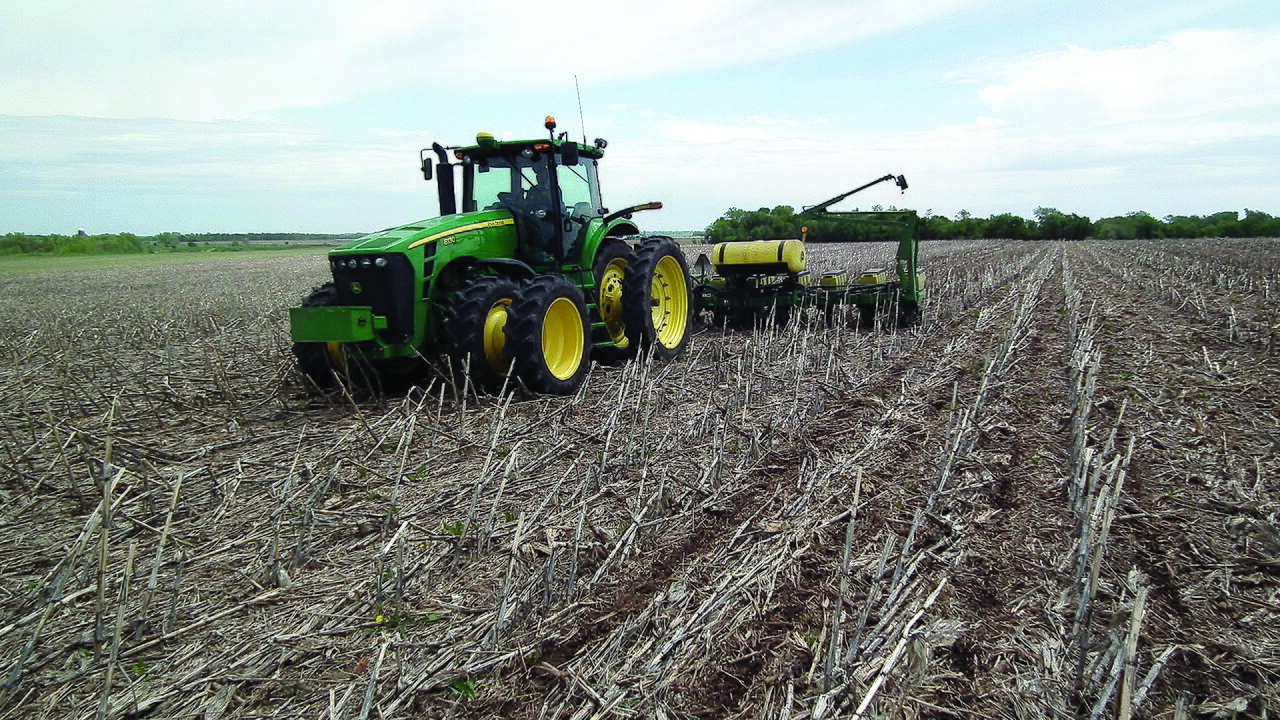
The Canadian Alliance for Net-Zero Agri-Food (CANZA) is expanding its Million Acre Challenge by 36,000 acres, with about 60 more Ontario farms expected to join in 2027. The programme shares the cost and risk of trying regenerative practices such as reduced tillage, cover cropping and 4R nutrient stewardship.
Farmers receive $31 an enrolled acre in the first year, $25 in the second and $12.50 in the third, with half of each year's payment made before the practice is put in place. Enrolled acres stay in for three years, and each farmer works with an Ontario Certified Crop Advisor, Professional Agrologist or another adviser CANZA accepts.
In its first year, in southwestern Ontario's corn belt, 32 farmers enrolled 15,105 acres in 175 fields and introduced 82 new practices, and supplied farm data to help measure environmental results. Lexi Soudant, livestock manager at Dave Gardiner Farms in Kirkton, said the programme changed "the level of risk our farm felt in trying no-till". Ashley Honsberger, CANZA's interim executive director, said the first group showed how the model works on real farms and where it needs to improve.
The second phase is funded by a new $10.5 million philanthropic contribution from the Weston family, after its $7 million that launched the scheme in 2025 as part of a wider $50 million commitment to regenerative agriculture in Canada. It adds more agronomic and implementation support and better data collection as measurement of carbon, water and biodiversity outcomes develops.
CANZA also plans to grow its online CANZA Marketplace, where Ontario farmers can now compare more than 55 support programmes, to at least 160 programmes nationally, with AI-enabled tools to help farmers check eligibility and whether programmes can be combined. Recruitment for the second phase starts in December 2026, and the long-term aim is farmer-led adoption on one million acres of Canadian farmland.
Photo: USDA NRCS South Dakota / Wikimedia Commons (Public domain)
Source: Farms.com
Comments
(0)