
The technology and methods for sustainable farming exist but are not reaching farmers in the field, and climate finance is not reaching smallholders either, speakers said at a round table during the COP31 UN climate summit in Turkey. Soil health, cutting pesticide use and access to safe water were also discussed at length.
Speakers said protecting soil health is essential for food security and climate resilience. Using fewer pesticides would cut farmers' production costs, soil and water pollution and harm to aquatic life. They also called for coordinating public, donor and private investment to raise financing for agriculture.
Smallholders, they said, are the most exposed to climate change because of seasonal floods, inadequate finance and limited access to technology. The 2015 Paris Agreement gave priority to food security and adaptation, but getting its benefits and climate finance to farmers in the field remains a major challenge; in Bangladesh, floods, salinity and drought are disrupting farm output.
They asked for grant-based support, loans on easy terms and direct participation of smallholders in climate finance. Blended finance and global investment should not stop at large companies but reach farmer organisations, cooperatives and local institutions, they said. They also urged the development of flood- and salt-tolerant crop varieties, soil-testing technology and crop insurance.
For Bangladesh, the discussion called for investable projects that bring agriculture and safe water together in the National Adaptation Plan (NAP) and Nationally Determined Contributions (NDC), a national target for soil health, and a transparent monitoring system to check that money reaches the real beneficiaries.
Mir Mohammad Ali, assistant professor at Sher-e-Bangla Agricultural University, said agroecology, nature-based solutions and locally led adaptation should come first in farm investment. Farmers and fishers must lead decisions that protect soil fertility and safe water sources, he said, and climate fund money must go directly to their organisations and cooperatives. The report is by Protidiner Sangbad.
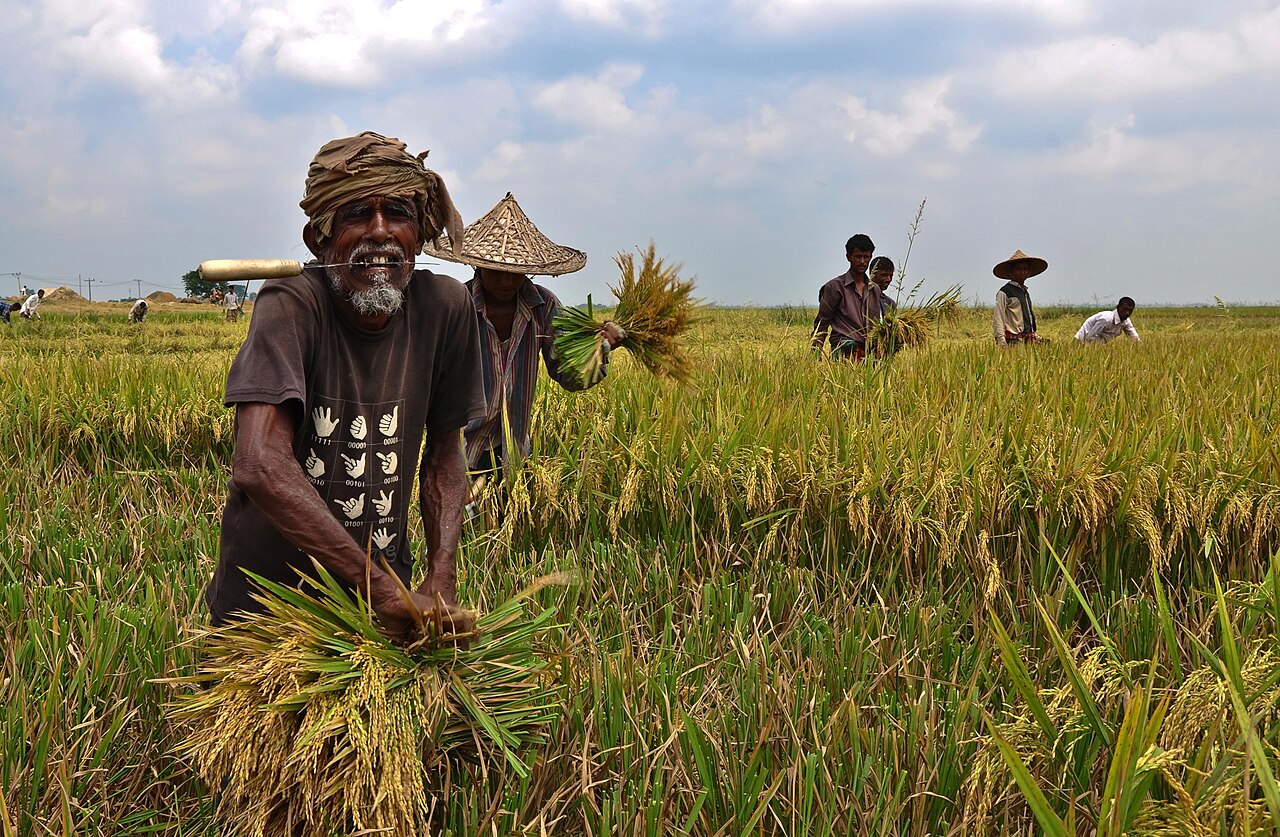
Photo: Balaram Mahalder / Wikimedia Commons (CC BY-SA 3.0)
Source: Protidiner Sangbad

Comments
(0)