
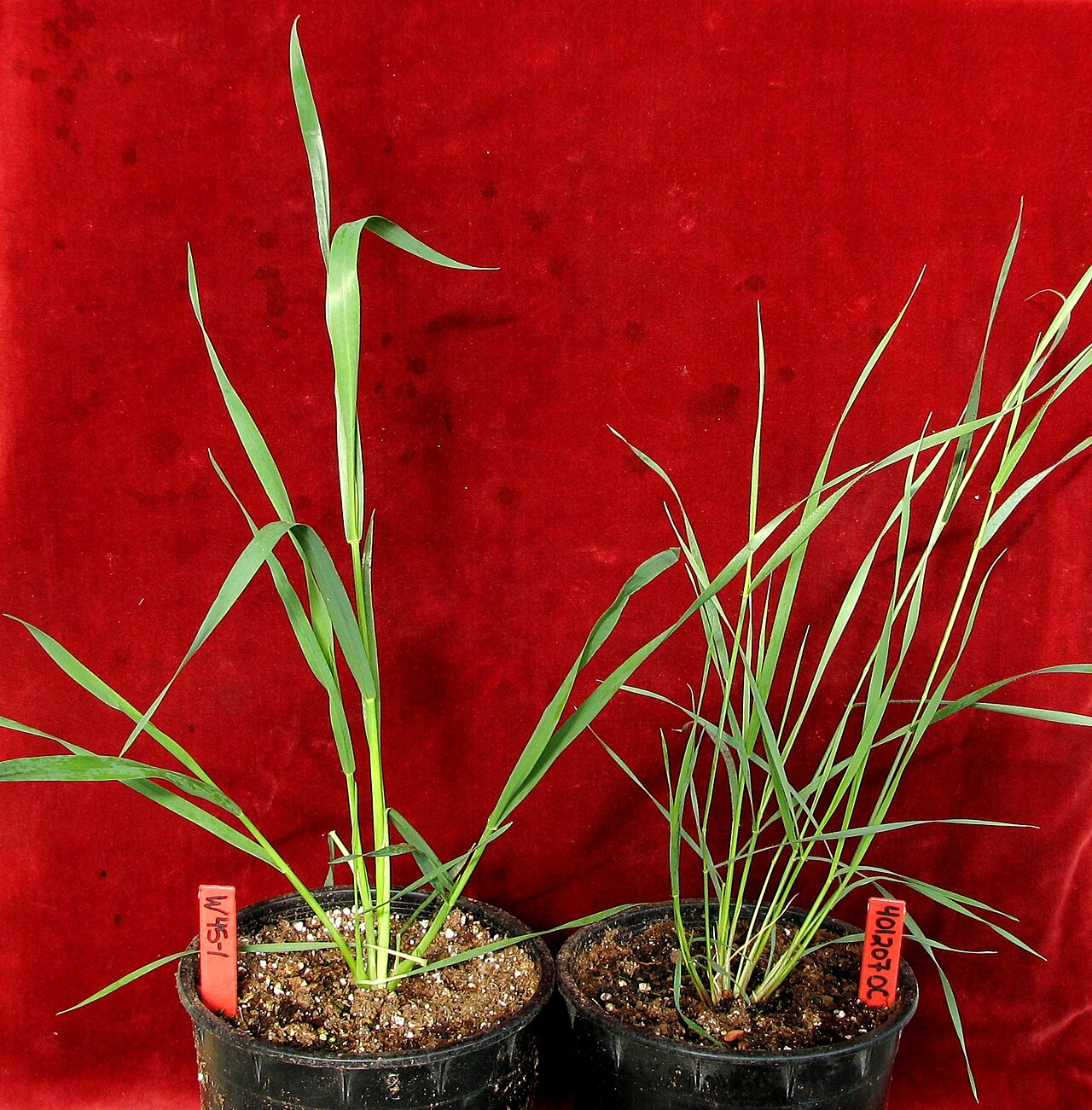
Bayer has taken a commercial licence for gene-editing technology from the University of California, Davis, that aims to let corn, wheat and rice recruit nitrogen-fixing soil bacteria, as soybeans and other legumes already do. The company says it could eventually reduce grain crops' dependence on synthetic fertiliser.
Corn, wheat and rice supply nearly half the world's daily calories but cannot convert nitrogen from the air on their own. In work published in Plant Biotechnology Journal, the Davis scientists used CRISPR to make wheat release more of a compound called apigenin through its roots, which attracted the bacteria.
The concept has been shown only in wheat in a greenhouse. Bayer's next step is field testing, and it does not expect any product before the next decade. Matthias Berninger, its head of public affairs and sustainability, called the approach "one of the holy grails" of agricultural science, while acknowledging that "it could ultimately turn out not to work as intended".
Bayer is also trying a second route to the same goal: in October it partnered with Switch Bioworks, a Stanford University spinout that engineers nitrogen-fixing microbes living around roots rather than editing the crop.
The work comes as fertiliser markets are under strain. The global urea market is worth roughly $85 billion, and prices have risen sharply amid supply disruption tied to the conflict involving Iran. The European Union still takes nearly a quarter of its urea imports from Russia. EU lawmakers this year also backed a framework easing some restrictions on gene-edited plants.
Photo: Dehaan / Wikimedia Commons (CC BY-SA 3.0)
Source: Global Agriculture


Comments
(0)