
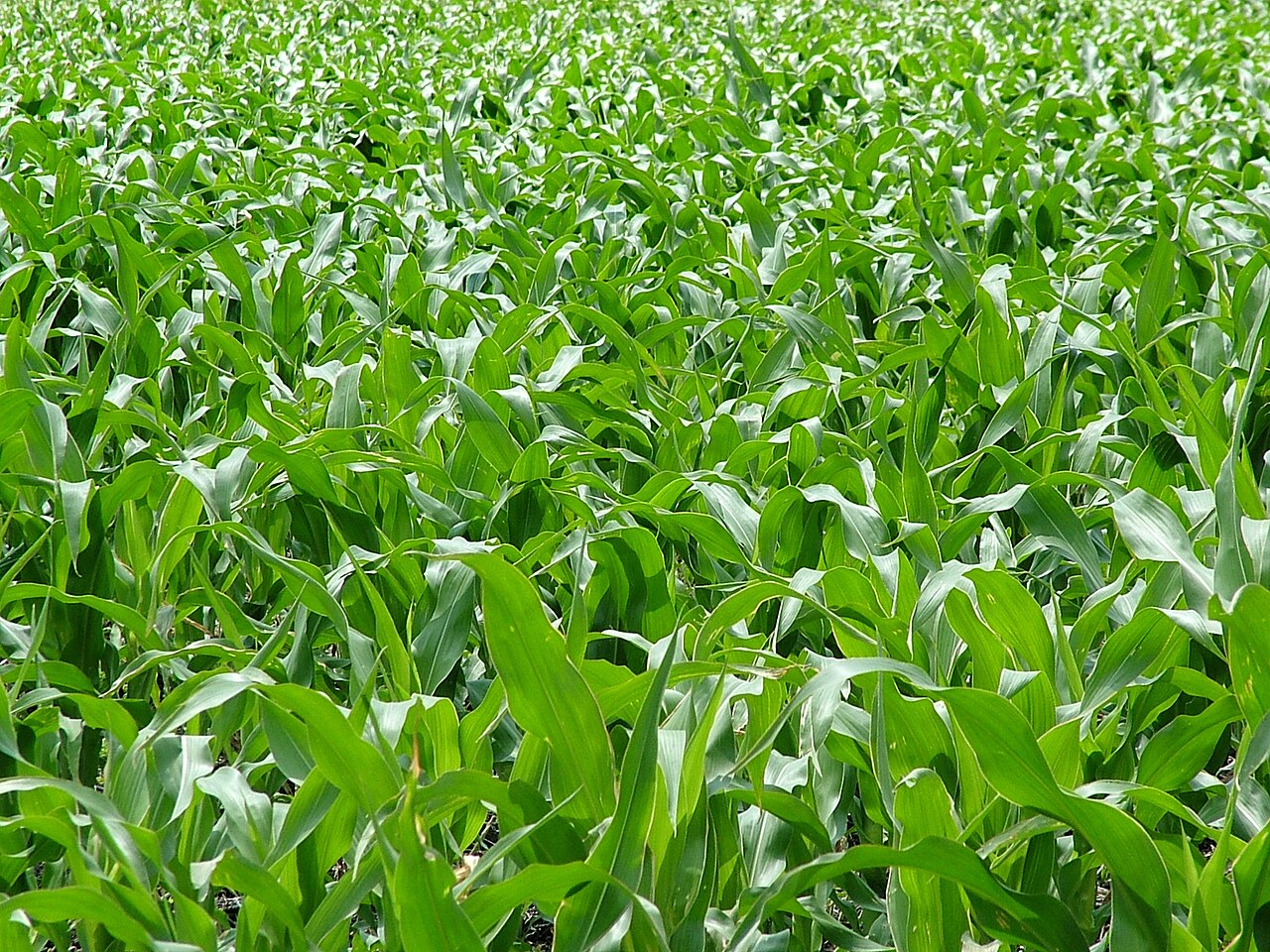
Shifting part of South Africa's maize and citrus production towards areas that a warming climate will make more suitable could return about R1.50 for every R1 invested, according to a study by researchers at the Agricultural Research Council (ARC). Three of them set out the findings in a column for Food for Mzansi on 1 November.
The study looked at six commodities: maize, wheat, sorghum, citrus, avocado and macadamia nuts. It combined climate and crop-suitability modelling with a cost-benefit analysis, and tested a hypothetical case in which 10% of each crop's current production area moves to newly suitable agroecological zones. The authors stress that the 10% is a modelling assumption, not a recommendation that a tenth of national output should be relocated. Future climates centred on 2030, 2055 and 2080 were modelled under moderate and high emissions, with costs and benefits counted over 30 years.
The measure used was the benefit-cost ratio: above 1, the estimated benefits outweigh the costs. The benefits counted went beyond farm income to food security, employment and export earnings. Under the central estimates, maize and citrus gave some of the strongest returns, with ratios of about 1.50, and sorghum followed at about 1.41.
High-value orchard crops were not the safest bets. Avocado and macadamia need heavy spending to establish and take several years to reach full production, which leaves growers exposed in the meantime to changes in water supply, temperatures, input costs, export prices and market access. "A crop may have a high market value and still carry considerable long-term adaptation risk," the researchers write.
Sorghum, a far smaller industry than maize or wheat, stayed comparatively resilient under severe climate conditions because it tolerates heat, drought and unreliable rain. The authors warn that this alone will not make it profitable: the crop faces limited markets and low consumer demand, and needs investment in seed systems, processing, product development, procurement and consumer awareness.
Depending on the crop and the scenario, the model found possible opportunities in cooler and higher-altitude parts of the Eastern Cape, KwaZulu-Natal, Limpopo and the Free State. The researchers say these are modelled areas, not planting advice: water, soil, roads, electricity, storage and market access would all have to be checked before any investment. Under a high-emissions future, projected yields fall sharply for several crops, with maize, citrus, avocado and macadamia most exposed to heat and water stress.
They call for a crop-suitability monitoring system, updated regularly with climate, soil, water and production data, to guide land-use planning, infrastructure, agricultural finance, insurance and extension. The column is by Dr Walter Shiba, Whitney Matli and Harold Weepener of the ARC; the views are the writers' own.
Photo: Lotus Head / Wikimedia Commons (CC BY-SA 3.0)
Source: Food for Mzansi

Comments
(0)