
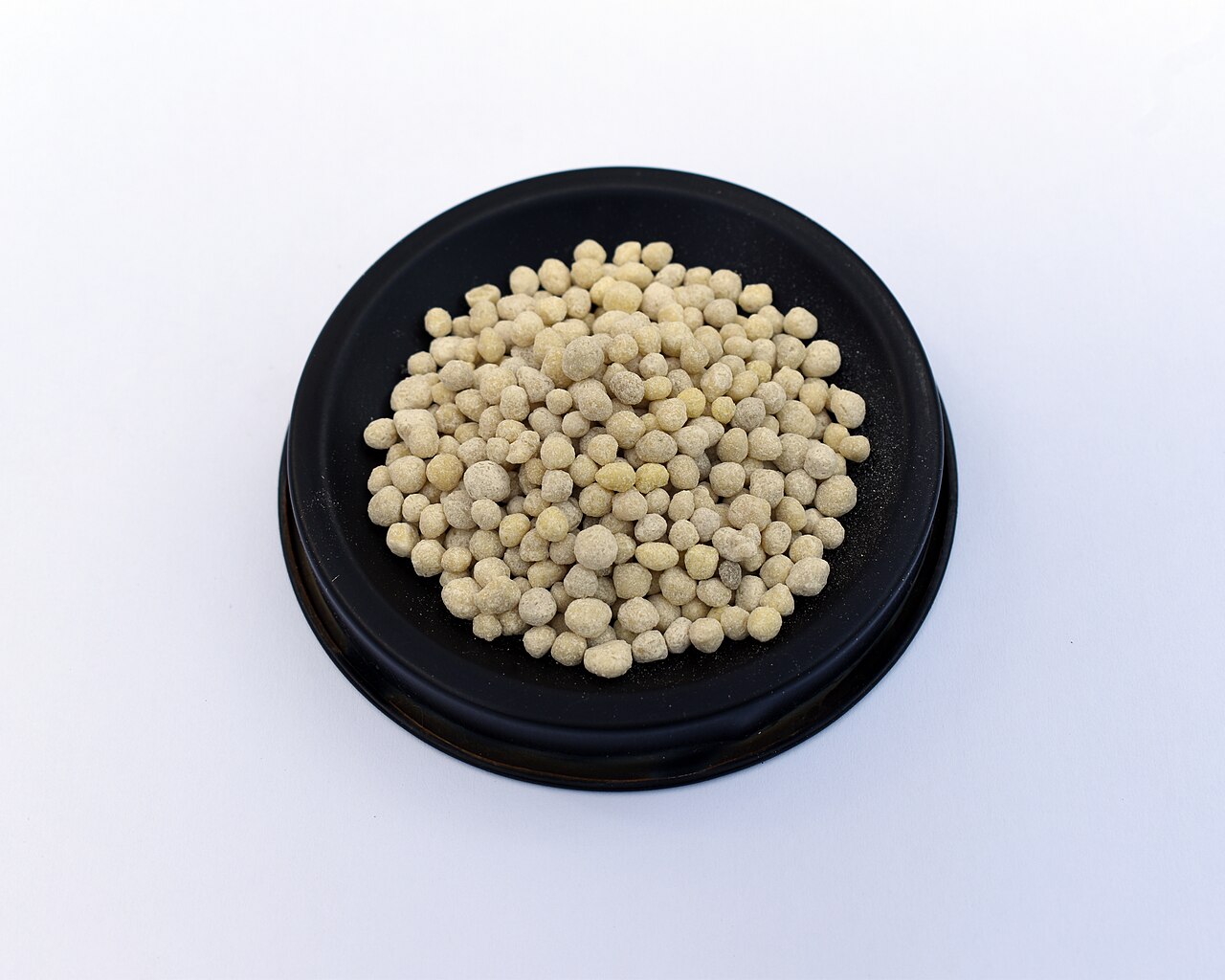
India has yet to announce its nutrient-based subsidy (NBS) rates for the rabi season, which runs from October 2026 to March 2027, even though the peak period for di-ammonium phosphate (DAP) use is close. Fertiliser industry sources say the practice of fixing the rates separately for each season is helping to keep global DAP prices high.
Most DAP is applied by 15 November, and sowing of the main rabi crops, including wheat, potato and mustard, is largely finished by the end of November. Without the subsidy rates, importers are unsure how much of their cost the government will cover, and the uncertainty has shaped their buying. Global DAP prices have stayed around $900 a tonne for several months.
The government has held the maximum retail price of DAP at Rs 1,350 per 50kg bag for four years, so importers rely on being compensated for the full cost of supply. Industry sources said companies have sometimes taken losses because of doubts over the size of that support, and that announcing NBS rates once a year would let them plan purchases earlier and could strengthen India's bargaining position abroad.
India uses about 10 million tonnes of DAP a year. Around 40% is made in the country, and even domestic plants depend on imported raw materials; the rest comes in as finished DAP. The rabi season accounts for about 5.5 million tonnes, and the delay has discouraged private importers, leaving most purchases so far to public sector firms such as National Fertilizers Limited and Hindustan Urvarak & Rasayan Limited, and to fertiliser cooperatives.
A shortage of sulphur, a key input for DAP and complex fertilisers, is also limiting output. Sulphur prices have eased slightly to below $900 a tonne, but several plants are reported to be running at about 60% of capacity. Industry sources link the shortage to damage at Gulf and Russian refineries, which have traditionally supplied a large share of the world's sulphur.
Weak monsoon conditions and dry spells have cut fertiliser use by about 15% this year across DAP, urea and complex fertilisers, which has kept overall DAP availability normal for now. Some DAP is being moved by rail from Kakinada port on the east coast to improve supply in Uttar Pradesh and Punjab. Industry sources said state online systems for regulating fertiliser sales are causing delays for farmers, and that with complex NPK fertilisers now selling at Rs 2,400-2,450 a bag against Rs 1,350 for DAP, the price gap is skewing fertiliser use.
The report was written by Ajeet Singh for Rural Voice.
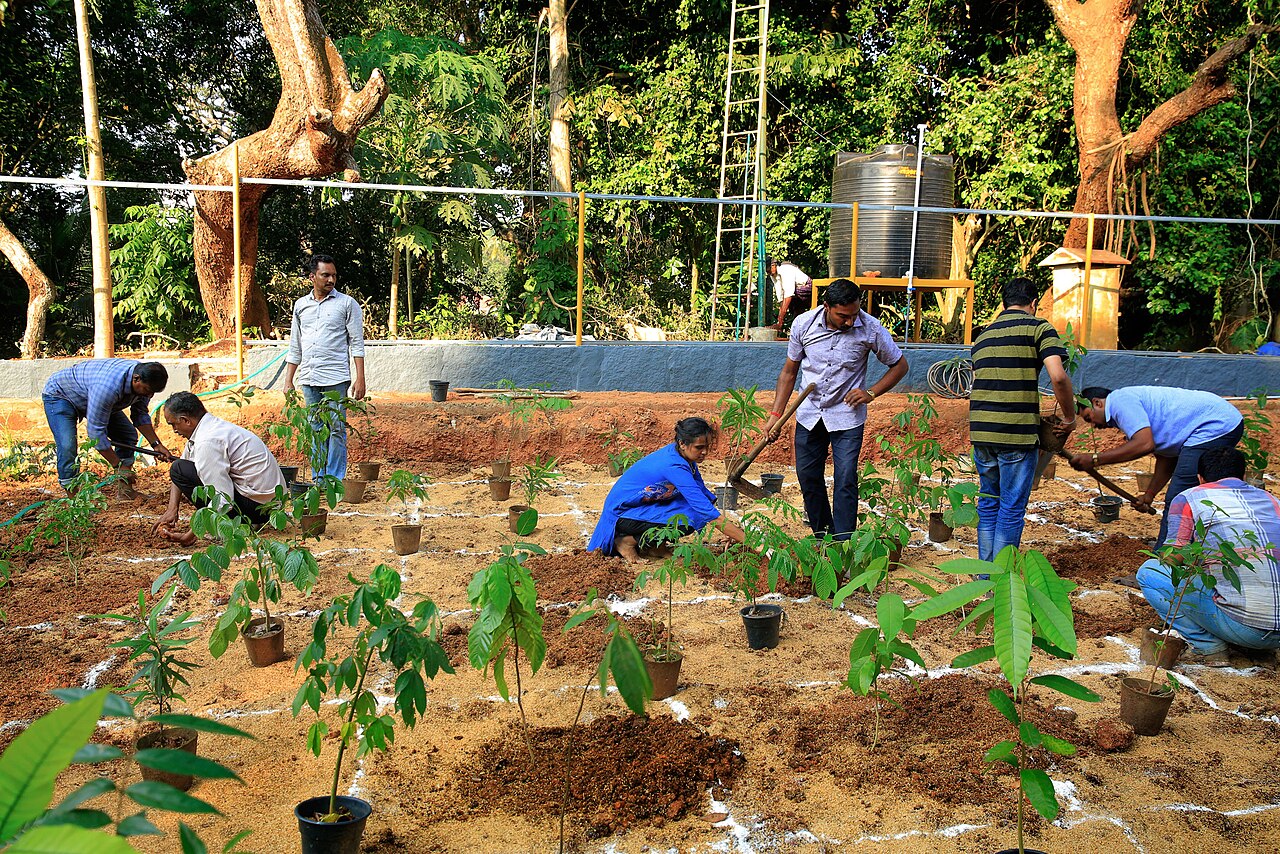
Photo: Suyash Dwivedi / Wikimedia Commons (CC BY-SA 4.0)
Source: Rural Voice
Comments
(0)