
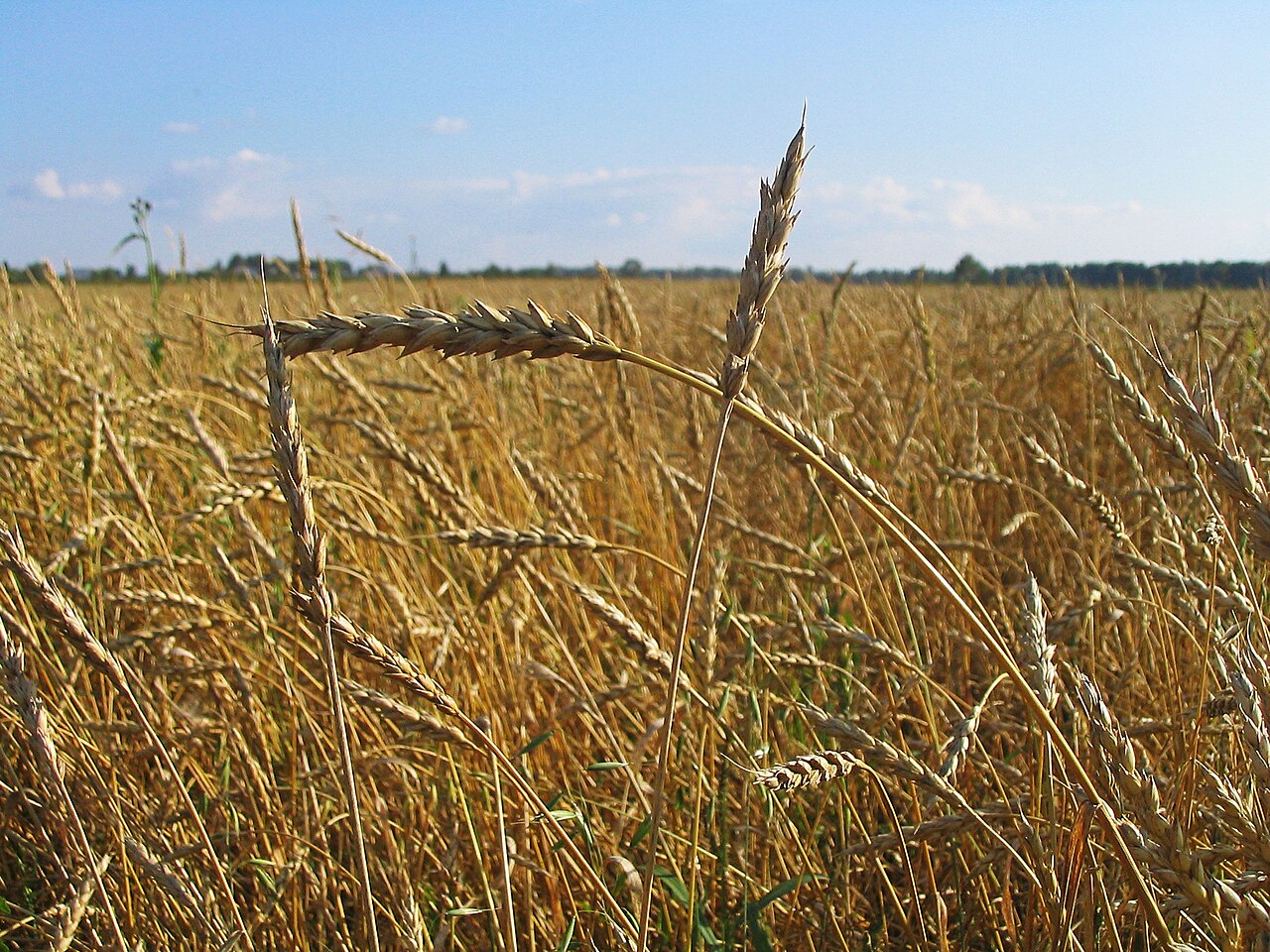
Russia's agriculture ministry has issued a decree that keeps the export duty on wheat, barley and corn at zero until 31 December 2026, and for the first time caps, instead of leaving to float, the duties on sunflower oil and sunflower meal, Global Agriculture reports.
Russia has applied a floating duty to grain exports since 2021. An earlier step, effective 1 September, set the grain duties to zero without an end date; the new decree fixes the date, giving exporters cost certainty for cargoes booked well into the fourth quarter. Sunflower oil and meal duties are now held at August 2026 levels: 7,748 roubles a tonne for oil and 312 roubles a tonne for meal, roughly $92 and under $4 a tonne at current exchange rates.
Deputy Agriculture Minister Maxim Borovoy said the change is meant to lower costs for traders, sustain the economics of Russian growers and processors, and keep exports moving predictably while the country reorganises its export logistics. Attacks on Russian Black Sea terminals have cut capacity in the Azov-Black Sea basin, which once handled more than five million tonnes of grain exports a month, and raised shipping insurance costs.
Russia has been the world's largest wheat exporter for most of the past decade, supplying about a fifth of global wheat shipments, with Egypt and Turkey among the most dependent buyers. Analysts quoted by Global Agriculture expect the zero duty to lift farm-gate grain prices in Russia modestly.
For importers such as India, which buys most of its edible oil abroad and gets a significant share of its sunflower oil from Russia and Ukraine, a capped rather than zeroed duty keeps Russian sunflower oil competitive without a sharper price cut. The next question for wheat markets is whether Russia extends the zero duty into 2027.
Photo: Afonin / Wikimedia Commons (CC BY-SA 3.0)
Source: Global Agriculture



Comments
(0)