
German startup SenseUP believes RNA interference (RNAi), a way of switching off a chosen gene in a pest, will move from a niche tool to a mainstream part of crop protection, its co-CEO and managing director Juan Martinez told AgFunderNews at the World Agri-Tech summit in London.
RNAi products use double-stranded RNA (dsRNA) to attack insects, fungi and other pathogens without harming soil, plants or wildlife. The industry has struggled with three problems, Martinez said: production costs that were long too high for farm markets, RNA that breaks down easily, and delivery, since a product that works in the lab can degrade quickly in the field. A precision molecule also usually hits one pest, while farmers want one product for several.
SenseUP says its patented approach deals with each problem. It encapsulates dsRNA inside the cell wall of its host microbes, strains of Corynebacterium, so the dry biopesticide can be stored at room temperature for more than 18 months. Biosensors that light up in high-producing strains let it screen millions of strains to find the best hosts, which it says could bring costs close to those of synthetic chemicals. And by combining several dsRNA sequences in one cell, it can build a single product aimed at multiple pests.
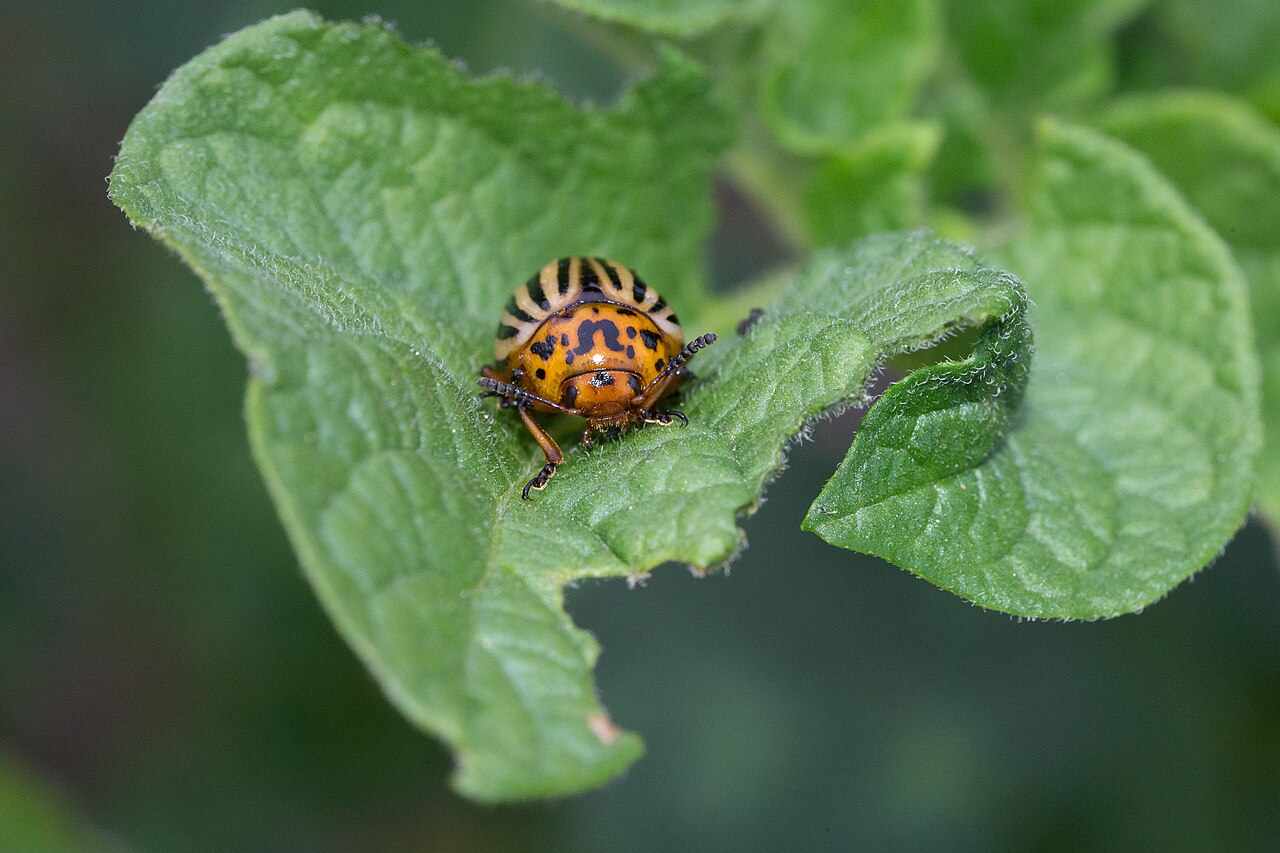
The company is working first on beetles (Coleoptera) and sucking pests, and on fungal diseases in crops such as grapes and potatoes, while also looking at broad-acre crops. It plans to supply the technology, product development and manufacturing, leaving marketing and sales to partners. Large crop protection firms, Martinez said, want field-trial efficacy, a stable and consistent product, scalable production and a route to registration before they commit.
On regulation, he pointed to RNAi registrations already granted in the United States, an approval in Mexico in nine months, a path in Brazil, and work in the European Union on new rules for biologicals. Like most biologicals, SenseUP expects to start with high-value crops whose growers already pay for such products. The interview was conducted by Elaine Watson.
Photo: Hélène Rival / Wikimedia Commons (CC BY-SA 4.0)
Source: AgFunderNews


Comments
(0)