
Drones, the internet of things (IoT), smart soil sensors, satellite data and automated irrigation are moving farming from guesswork to data. Dr Mosammad Farida Parveen, a deputy director of the Department of Agricultural Extension (DAE), says modern technology is raising productivity by 15 to 20 percent while cutting production costs by 20 to 30 percent.
The problem is an old one. Farmers have long judged the weather, the state of the soil and the right moment to irrigate or apply fertiliser largely by estimate. That wastes fertiliser, pesticide and water, and drives up costs.
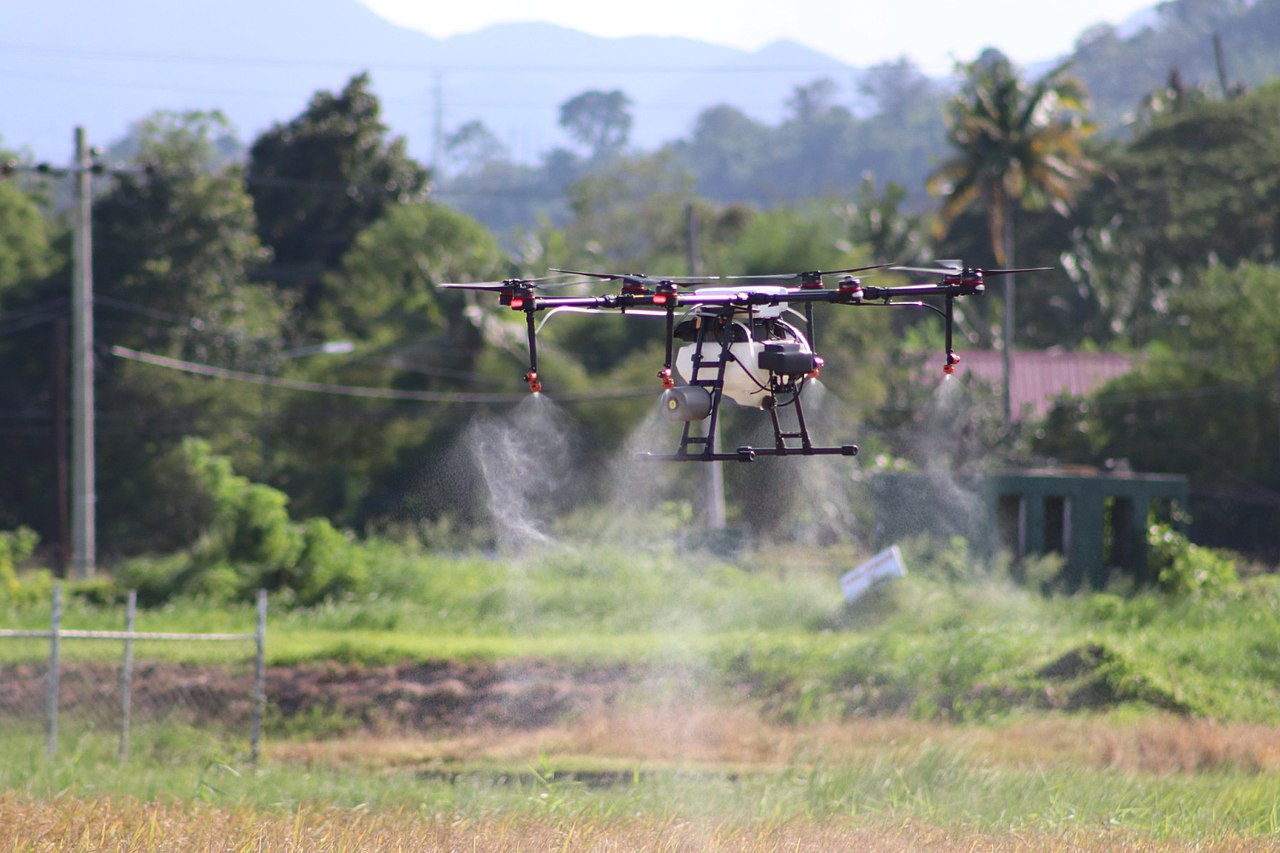
A drone can spread fertiliser and pesticide evenly over a large field in a short time, saving labour, time and inputs and keeping the farmer away from direct contact with chemicals. Multispectral cameras on drones show which part of a field is diseased, where water is short and where the crop has stopped growing normally.
Smart sensors measure soil moisture, pH and nutrient levels, and IoT links send those readings straight to the farmer's smartphone, so it is easy to tell when water or fertiliser is needed. Automated irrigation delivers water only as required, reducing waste of water and electricity and the cost of irrigation.
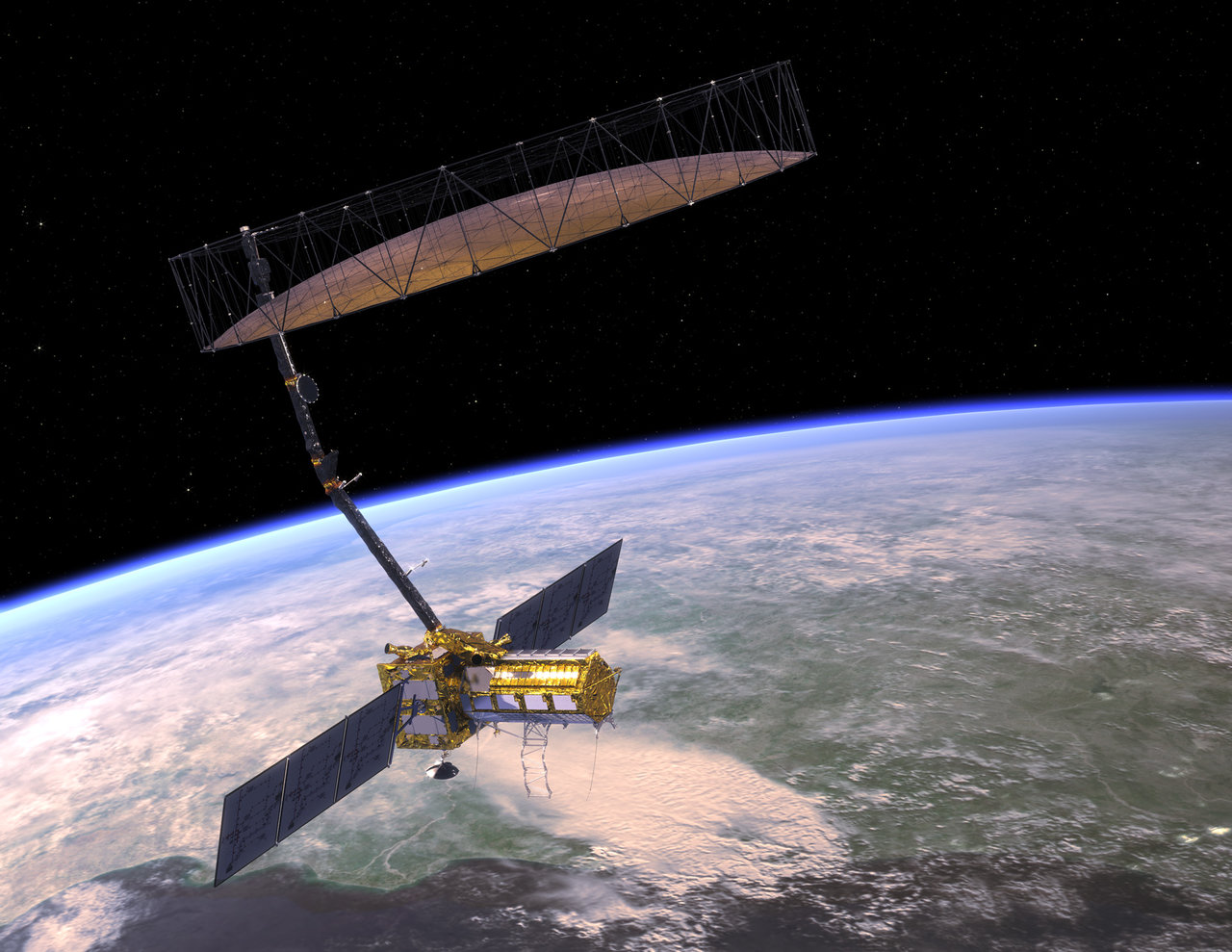
The same tools help with climate damage. Drone and satellite data are used to assess crop losses quickly after drought, salinity or flash floods, which makes it easier to identify the farmers actually affected and direct aid to them. Automatic weather stations in different places give farmers advance forecasts so they can protect crops before bad weather.
With the population growing and farmland shrinking every year, Farida Parveen says there is no alternative to technology-based farming to get more from limited land. Experts say wider and correct use of these technologies would cut costs and raise farmers' incomes.
Photo: Christopher Hedreyd, PIA 4A CALABARZON / Wikimedia Commons (public domain)
Source: Agricare24
Comments
(0)