
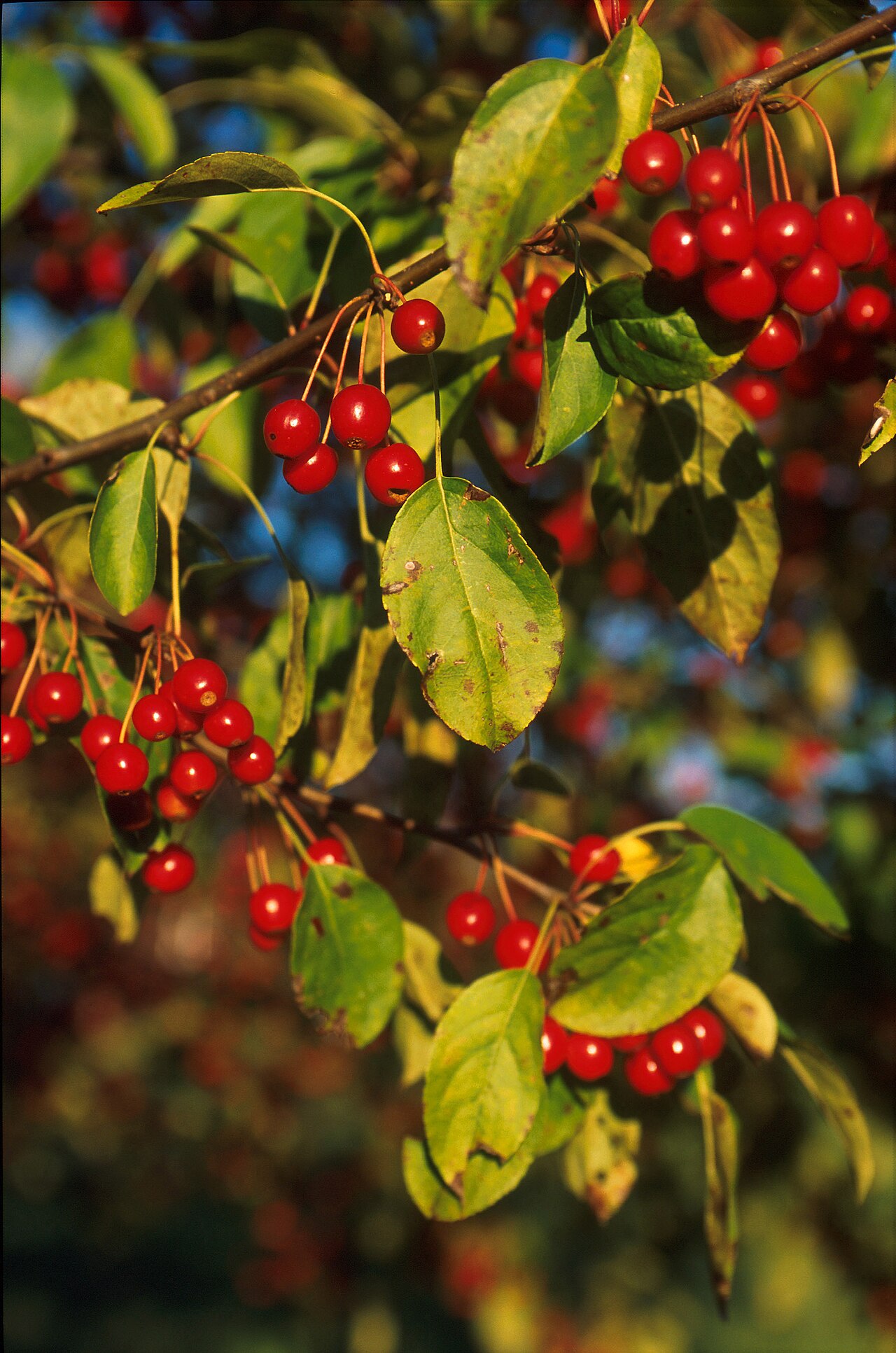
Field trials in apple orchards in five European countries this summer found that spray programmes combining the biofungicide AXPERA with conventional fungicides controlled more than 90% of apple scab and powdery mildew, France's Amoéba SA and Dutch crop-protection group Koppert B.V. said on 16 November. The companies are extending their partnership to pome fruit, with a commercial launch targeted for 2029, subject to regulatory approval.
AXPERA is made from compounds extracted from Willaertia magna, a free-living amoeba that Amoéba cultures (its strain is called C2c Maky). The technology already underpins two products sold with Koppert, Tiagan for vineyards and Yazu for vegetables. The new orchard agreement covers 19 European Union countries and apples, pears, apricots, quinces, nashi pears, crab apples and medlars, at a time when the EU is tightening limits on synthetic fungicides.
The trials tested AXPERA in rotation and tank mixes alongside standard chemistry rather than on its own. Apple scab blemishes fruit and leaves and can crack the skin; powdery mildew coats leaves and fruit in white growth and weakens trees over repeated seasons, and both often need repeated sprays through spring and early summer. Martin Koppert, the company's chief product officer, said the extension "enables us to offer fruit growers additional options". Further confirmatory trials on apples and pears are planned for 2027 before any registration filing.
The companies put the potential market at close to 600,000 hectares in Europe, including about 320,000 hectares of apple and 80,000 hectares of pear orchards. Growers there typically spend 1,000 to 1,500 euros per hectare a year on fungal disease control, they said, and pome fruit accounts for roughly a tenth of the European fungicide market by value.
Biological products have often struggled to match synthetic fungicides closely enough to earn a place in spray programmes, so a figure above 90% in combination use strengthens the companies' case with regulators and distributors. AXPERA gained a French marketing authorisation in June and a 120-day Italian emergency-use authorisation against basil downy mildew this year.
Photo: Peggy Greb, USDA ARS / Wikimedia Commons (Public domain)
Source: Global Agriculture

Comments
(0)