
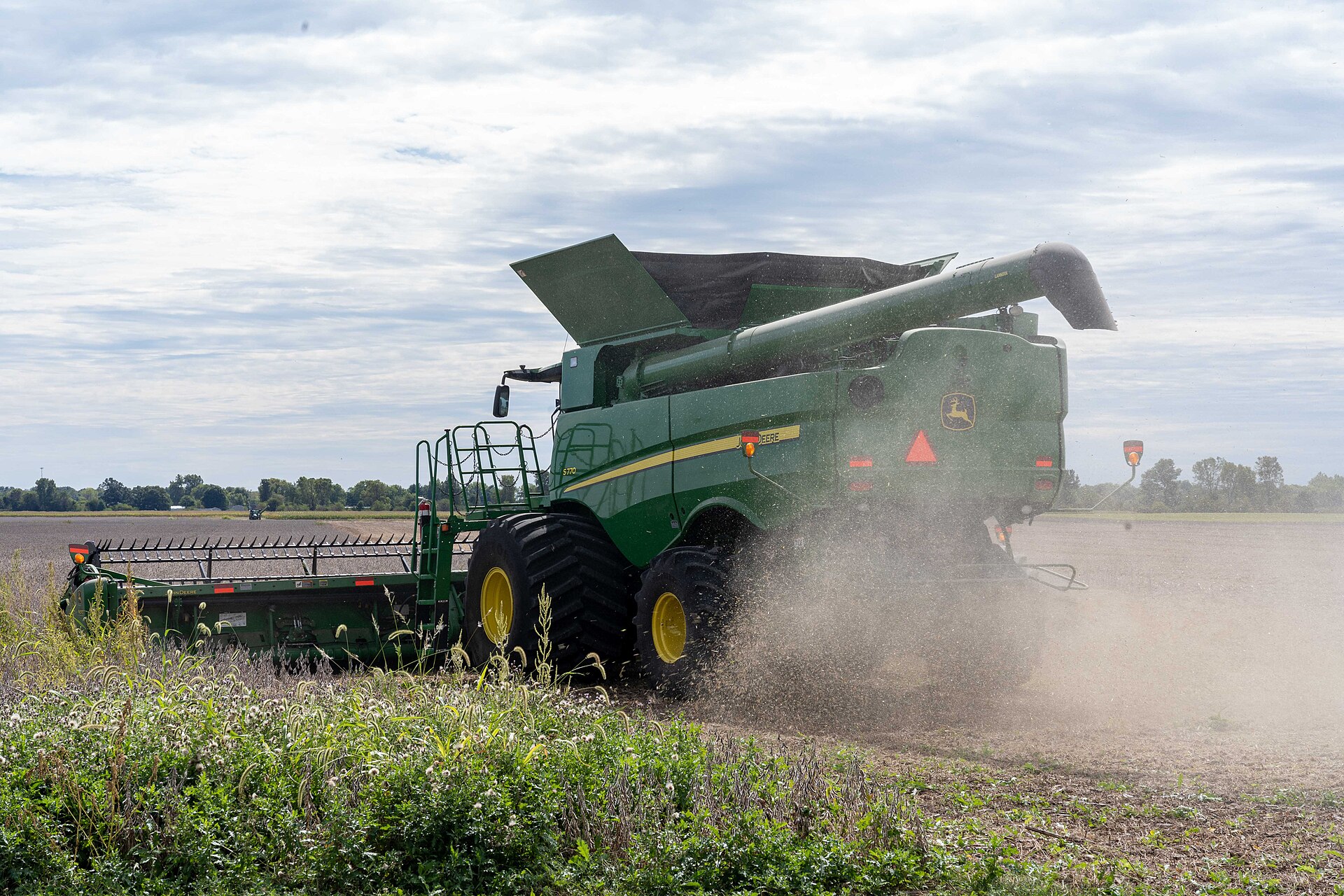
BASF's Nemasphere, a genetically engineered soybean trait that protects roots from nematodes, is set to reach farmers in the United States and Brazil from 2028. BASF calls it the first biotech trait of any kind that gives a crop resistance to nematodes. On 16 November 2026 the German company said the last import approval it needed in a key export market, from the European Union, was in place, and that it now sees peak sales of more than €300 million a year.
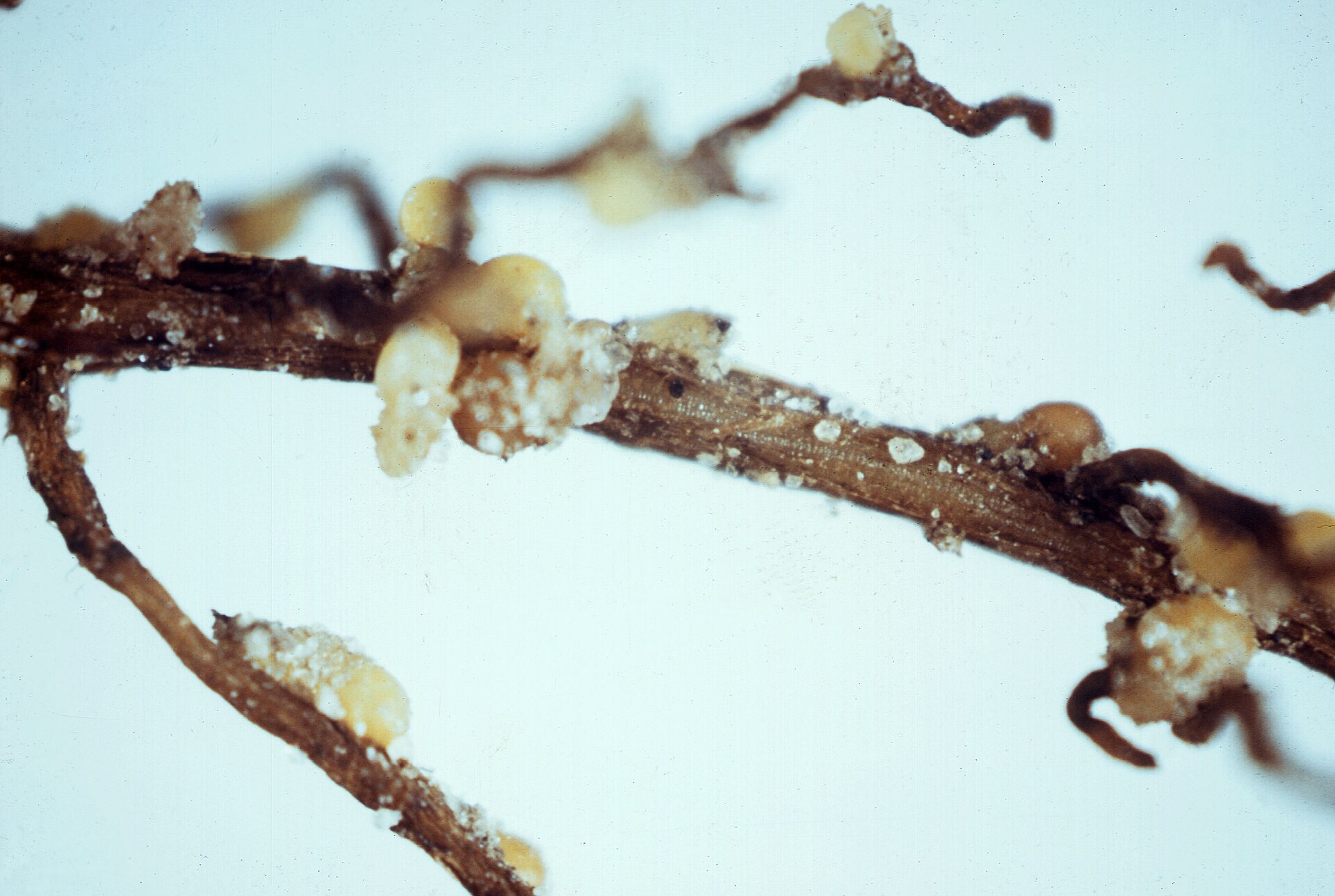
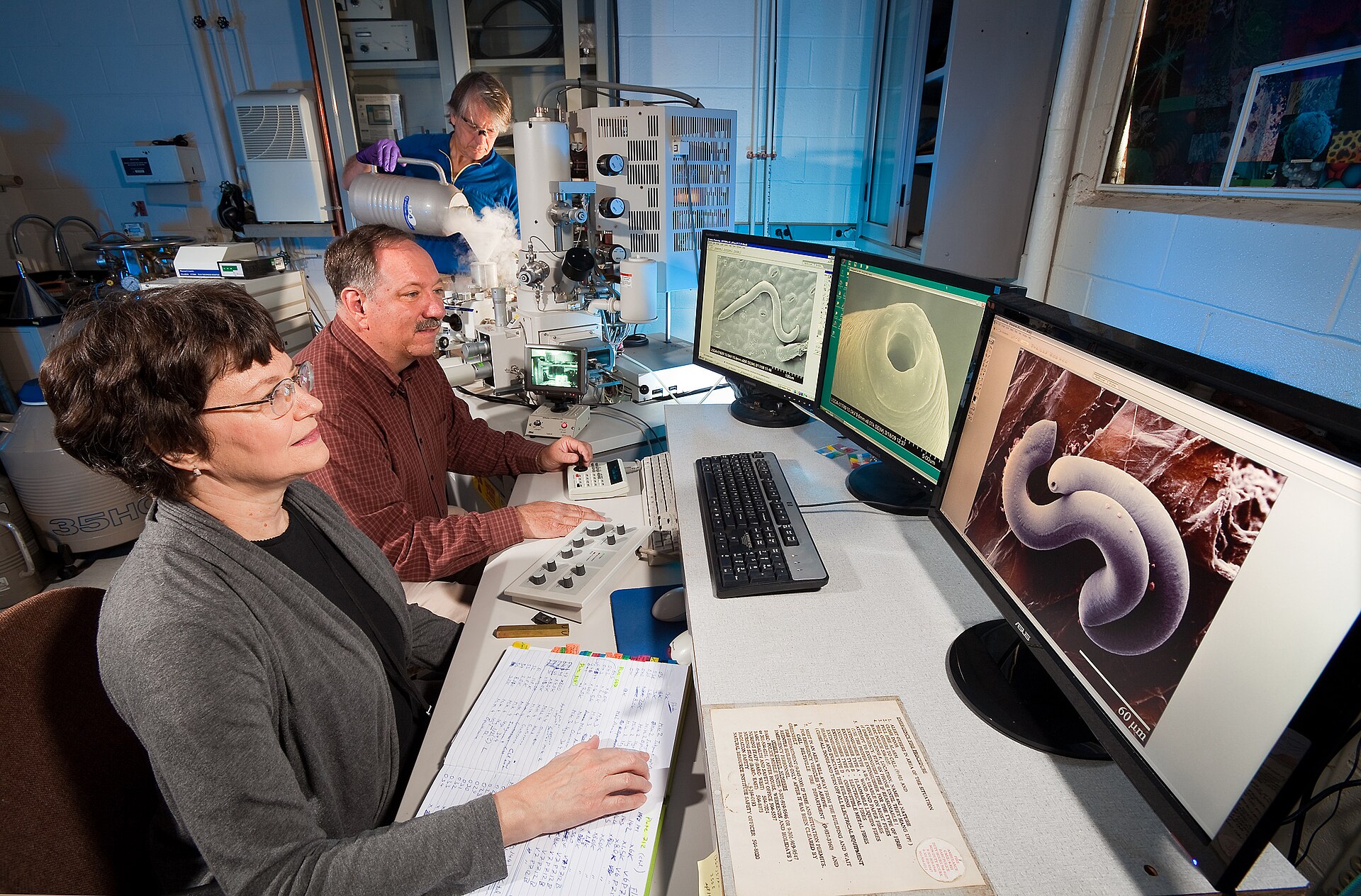
The soybean cyst nematode, a microscopic worm that feeds on soybean roots, is the most damaging pest of the crop in the United States. Nematodes of several kinds cost soybean growers in Brazil and the United States about $4.5 billion a season, according to the figures BASF cites. For years, American farmers have relied mostly on one source of natural resistance, and university studies show it is wearing out. Nemasphere offers a different defence: a protein from a soil bacterium, made inside the plant, that damages the nematode's gut when it feeds.
The trait is not new to scientists. BASF first presented Nemasphere to American growers in mid-2024, the science behind it was published in 2021, and the European approval BASF now cites dates from September. What is new is that the company says the regulatory path is complete and that it is moving to sell the trait worldwide, mainly by licensing it to other seed companies. Here is what the evidence shows, and what it means beyond the Americas.
What BASF announced on 16 November about Nemasphere
In its release of 16 November, BASF Agricultural Solutions said it is "advancing the global commercialization" of Nemasphere and expects varieties carrying it to be available in the United States and Brazil from 2028. The first varieties will combine Nemasphere with Enlist E3, a soybean trait that tolerates three herbicides and is jointly owned by Vylor, the seed and genetics business spun off from Corteva, and M.S. Technologies, an Iowa seed company. BASF has licensed Nemasphere to both for use with Enlist E3 soybeans.
Livio Tedeschi, head of the management board of BASF Agricultural Solutions, said the technology "introduces the first ever biotech trait providing nematode resistance" and that combining BASF's own seeds with "a scalable licensing model" would broaden its reach. Melanie Bausen-Wiens, the board member in charge of technology, said: "Today's tools for nematode control are reaching their limits."
The release says the trait gives up to 90 per cent control of key soybean nematodes in BASF's own field trials in Brazil and the United States over seven years. It says soybeans with the trait raised yields by an average of up to 10 per cent in field trials, citing a 2023 paper in the journal Plant Disease. In Brazil, it adds, fields with heavy populations of the root lesion nematode gave better cotton or corn yields in the season after a Nemasphere soybean crop, based on four years of company trials. These are company figures, not independent results.
Farm, chemical and financial outlets in the United States, Canada and India carried the news within a day. BASF Agricultural Solutions had €9.6 billion of sales in 2025, and the release presents Nemasphere as a growth engine for its seeds business.
How the Nemasphere trait works against soybean cyst nematode
Nemasphere is a genetically modified (GM) trait, not a gene edit. BASF scientists took a gene from Bacillus thuringiensis, the soil bacterium whose proteins have protected maize and cotton from caterpillars and beetles since the 1990s, and put it into soybean. The gene makes a protein called Cry14Ab-1. The soybean event that carries it is known to regulators as GMB151.
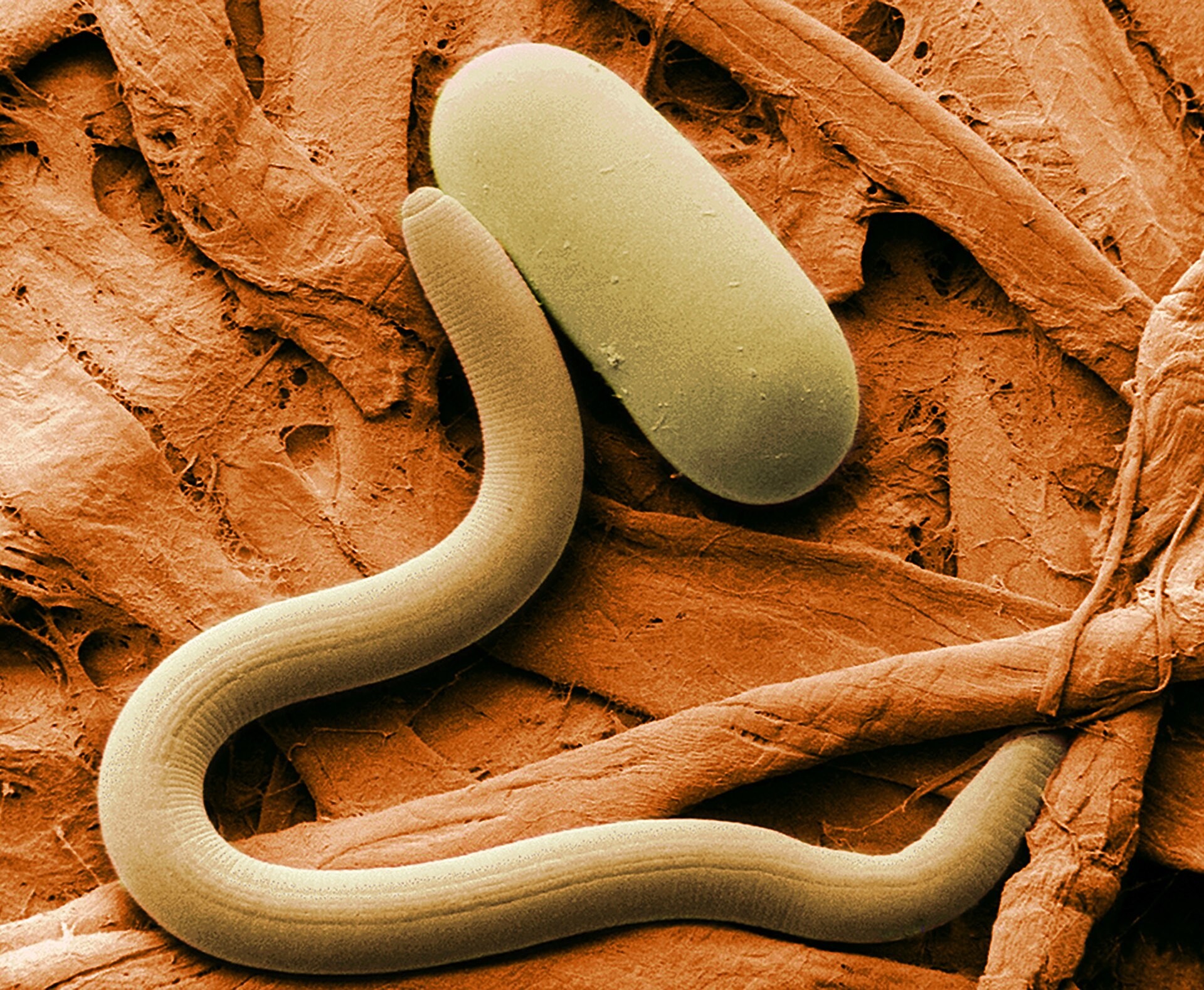
The research was published in Nature Communications on 7 June 2021 by a team led by Ted Kahn at BASF in Morrisville, North Carolina. All the authors worked for BASF, which holds related patents. In tests on the laboratory worm Caenorhabditis elegans, the protein filled the worm's gut within four hours and damaged the cells lining it, much as similar Bt proteins damage the guts of insects. In greenhouse tests, soybean plants making the protein carried significantly fewer cysts than control plants 30 days after the nematodes were added.
The authors noted what they had not shown: the gut damage was seen in the laboratory worm, not in the cyst nematode, and they did not know whether the nematode swallows the full protein as it feeds. Their field data came from one site in Webster County, Iowa, over two seasons, 2010 and 2011, where the trait cut the nematode's rate of reproduction by 43 per cent at mid-season and 60 per cent by the end of the season. The paper reported no yield data.
The nematode feeds through a needle-like stylet from a feeding site it creates inside the root. A female swells, breaks through the root surface and dies, leaving a cyst full of eggs that can survive in soil for years. That is why an infested field stays infested, and why a protein that works from inside the root is attractive.
What the field trials show about yield, and what they leave open
The yield claim in BASF's release rests on a study published in Plant Disease in September 2023 by M. T. McCarville and colleagues, also at BASF. They bred four related lines into common genetic backgrounds: one with both the Nemasphere event and the natural resistance gene rhg1b from the soybean line PI 88788, one with only the natural gene, one with only the GM event, and one with neither. Then they compared them in infested fields.
Against the susceptible lines, the natural resistance raised yield by 33 per cent and the GM event alone by 13 per cent. The two together gave 44 per cent more yield and cut season-long nematode reproduction by half. The authors concluded that stacking the transgenic trait on top of native resistance gives better control than either alone.
Two points are easy to blur. On its own, the GM trait protected yield less than the natural resistance in these trials; its value lies in adding a second, different mode of action. And the release, which cites this paper, does not explain why its figure of up to 10 per cent differs from the paper's 13 per cent. Neither is the gain a given farmer will see; that will depend on how infested the soil is and which varieties carry the trait.
Why soybean farmers need a new defence: PI 88788 resistance is eroding
The reason the trait matters is that the old defence is failing. Most soybean varieties sold in the American Midwest with resistance to the soybean cyst nematode carry genes from a single line, PI 88788. Nematode populations have adapted to it.
In late August 2026, Iowa State University researchers released an analysis of field trial data from 2001 to 2023, collected in Iowa. As reported by the farm publication DTN on 18 September, they found that the ability of the nematode to reproduce on PI 88788 resistance rose by about 2 per cent a year. They projected that by the end of the decade it might provide only about 40 per cent control, and average yield losses of around 9 bushels an acre, or 12 per cent of yield potential. Those are projections from Iowa data, not measured national losses. Greg Tylka, the Iowa State nematologist, told DTN: "If we don't diversify how we manage the pest, farmers can expect that trend to continue."
The only other source of natural resistance widely used in commercial varieties, called Peking, was available in about 20 per cent of soybean seed offerings, Tylka told DTN. In the same article, Justin Moritz, a BASF trait specialist, said the company expected to have all its regulatory approvals by the end of 2026 and to grow enough seed for a full launch in 2028, with 28 varieties in development. He said the nematode can cut soybean yields by 30 per cent or more without visible symptoms above ground, which is why many farmers do not know their fields are infested until they test the soil.
The SCN Coalition, a public and private partnership of universities and companies in the United States, estimates that the soybean cyst nematode costs American farmers about $1.5 billion a year. BASF's release cites the Crop Protection Network for a similar figure for 2025.
Brazil's nematode problem and the root lesion nematode
Brazil, the world's largest soybean producer and exporter, is the other launch market, and its problem is broader. The Brazilian Society of Nematology estimated in 2021 that nematodes cost the country's soybean growers about $3 billion a season, according to BASF's release. Brazilian growers face the soybean cyst nematode and also the root lesion nematode, Pratylenchus brachyurus, which moves through roots rather than settling in one place and also attacks the cotton and corn grown in rotation with soybean.
BASF says its trait controls "key plant-parasitic soybean nematodes", not only the cyst nematode, and its claim of better cotton and corn yields after a Nemasphere soybean crop in Brazil suggests that it lowers root lesion nematode numbers in the soil. We found no peer-reviewed publication of those four years of company trials. The 2021 paper tested only the soybean cyst nematode.
Europe: approved to import and eat, not to grow
BASF's release does not name the European decision. The most recent EU authorisation of a Nemasphere soybean we found is Commission Implementing Decision (EU) 2026/2112 of 23 September 2026. It authorises food, feed and other products from soybeans carrying the stacked event GMB151 x DAS-44406-6, which is Nemasphere combined with the Enlist E3 event; its annex lists the nematode gene alongside genes for tolerance to glyphosate, 2,4-D, glufosinate and HPPD-inhibitor herbicides. The European Food Safety Authority (EFSA) had concluded in an opinion dated 27 January 2026 that the stacked soybean is as safe as its conventional counterpart. Member states gave no opinion either way, so the Commission adopted the decision; it runs for ten years and excludes cultivation in Europe. The single event GMB151 had been authorised for import by an earlier Commission decision in March 2022.
Import approvals matter because a new GM soybean cannot easily be kept apart from the rest of a country's harvest, so seed companies usually wait until major buyers approve a trait before selling it widely. BASF did not list in its release which other export markets had approved Nemasphere. The European decision shows how sharp the divide remains: Europe lets the soybean into its food and animal feed but does not allow its own farmers to grow it, a divide the trade publication FeedNavigator put in its headline on 17 November.
Licensing, Vylor and the business behind the trait
BASF's plan is to sell the trait in its own seed brands and license it to other seed companies. The first partners, Vylor and M.S. Technologies, own Enlist E3, a widely planted soybean herbicide-tolerance trait in the United States. Corteva named its seed and genetics business Vylor in May 2026 ahead of separating it from the rest of the company. Through this licensing, Nemasphere could reach farmers who buy seed from many brands, not only BASF's.
BASF has not published a seed price. For the industry, the trait is also a test of whether a new transgenic trait can still pay its way at a time when much new crop development has turned to gene editing, which several countries regulate more lightly than GM crops.
What Nemasphere means for Bangladesh and other soybean importers
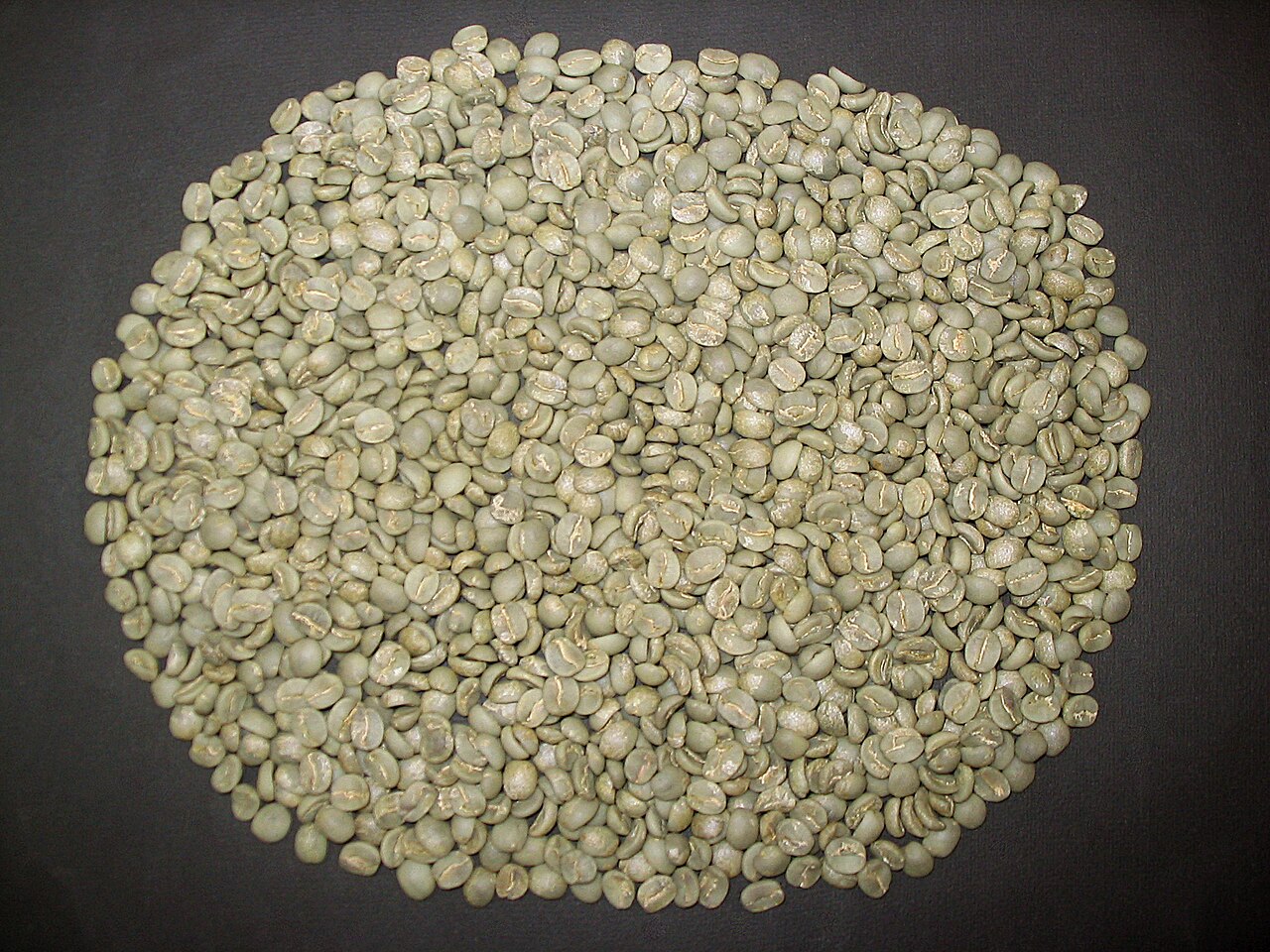
Most of the world will meet Nemasphere first as imported grain and feed, not as seed. Bangladesh produces only about 7 per cent of the soybeans it uses, mainly in coastal districts, and imports the rest, according to a USDA oilseeds report covered by The Daily Star on 9 April 2026. In the first eight months of the 2025-26 marketing year, the United States supplied 84 per cent of Bangladesh's soybean imports, up from 48 per cent a year earlier, with Brazil supplying the remaining 16 per cent. USDA expects imports of about 2.4 million tonnes in the 2026-27 marketing year. Soybean meal from the country's crushing mills is a key ingredient in poultry and fish feed.
From 2028, some of those shipments from the United States and Brazil may contain Nemasphere soybeans. For importing countries, the question will be how their own rules on GM food and feed treat the new event. Bangladesh has experience with this kind of decision: it approved the GM eggplant Bt brinjal for farmers in 2013. Other big soybean buyers, from China to Southeast Asia, face similar regulatory questions as new traits come to market.
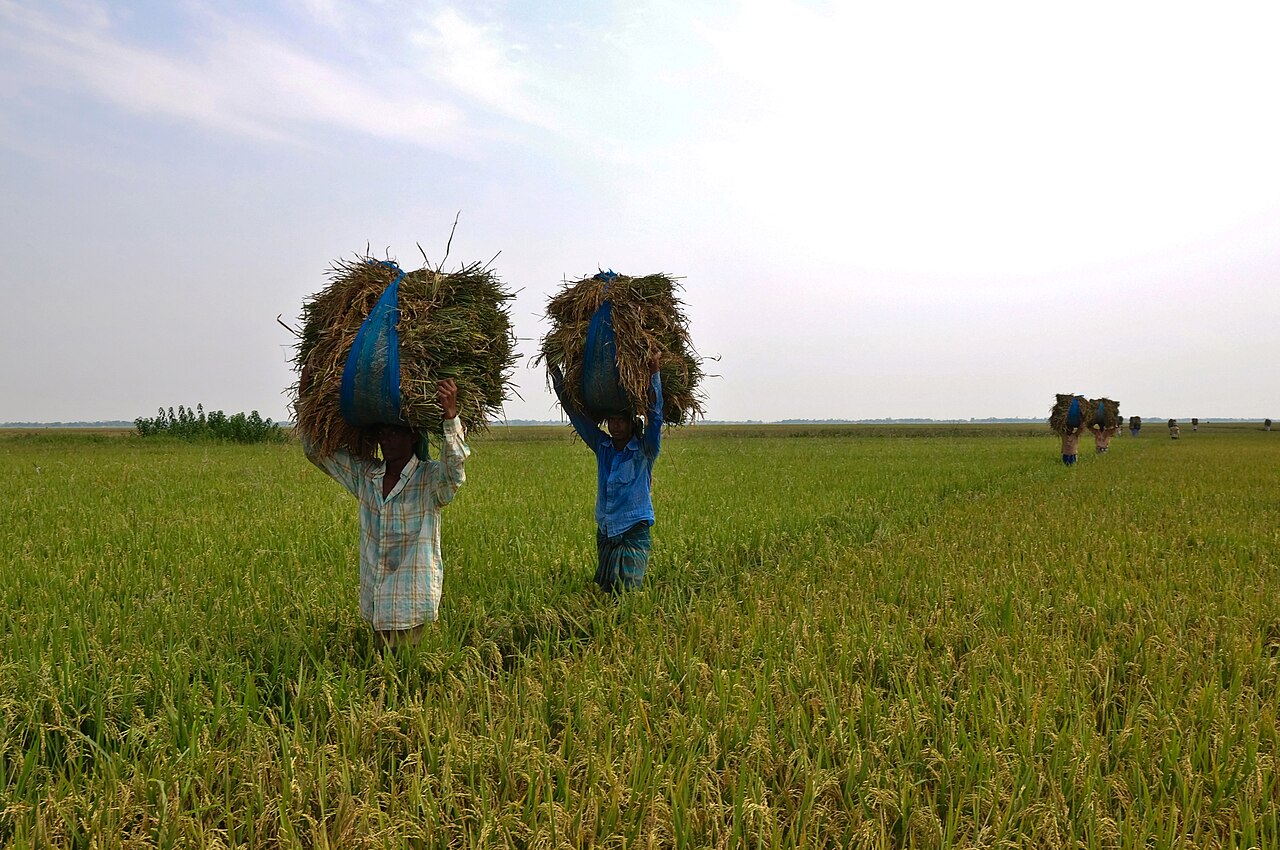
The trait will not help most farmers in South Asia or Africa directly: it is being bred into soybean varieties for the Americas, while nematodes there attack many other crops. But it shows that a new mode of action against nematodes can be built into a plant, rather than sprayed or applied to the soil.
Smallholders, nematodes and the shortage of nematology expertise
Nematodes are among the least visible threats to crops. They live underground, are too small to see without a microscope and cause symptoms such as yellowing and stunting that look like drought or poor nutrition. A 2018 review in the Annual Review of Phytopathology by Danny Coyne of the International Institute of Tropical Agriculture (IITA) and colleagues described a "critical under-representation of nematology expertise" in sub-Saharan Africa, where smallholder farming dominates and "a limited understanding of nematode problems prevails". The authors warned that as farming intensifies, the threat from nematodes grows.
That gap matters more than any single trait. A seed trait helps only where the crop, the variety and the regulatory system allow it to be used, and only if farmers know nematodes are the problem in the first place. Soil testing, rotation with crops the nematode cannot feed on and resistant varieties remain the main tools for most of the world's farmers. They are also what the SCN Coalition recommends to American growers, along with rotating sources of resistance and, where it pays, nematode-protectant seed treatments.
Opportunities and risks of a single new weapon
The opportunity is plain. A second mode of action, stacked with natural resistance, could slow the nematode's adaptation and protect eroding yields, and if BASF's Brazilian trials hold up, a Nemasphere crop could also leave less damage for the cotton or corn that follows.
The risk is the one that has hit every pest control tool used too widely: resistance. Insects have adapted to Bt crops in several countries where the same protein was planted year after year without enough refuges. The 2021 paper did not test how quickly nematodes might adapt to Cry14Ab-1, and BASF itself, according to DTN, recommends rotating Nemasphere with natural resistance sources rather than relying on it alone. How carefully that advice is followed will decide how long the trait lasts.
Questions remain open in public: the seed price, which other countries have approved the trait for import, and whether farmers' fields will match the trial numbers. Independent university trials will be the first outside test.
The 2028 test for Nemasphere in American and Brazilian fields
For now, Nemasphere is a promise backed by company trials and two peer-reviewed papers written by company scientists. Its first real test will come in 2028, when farmers in the United States and Brazil plant varieties carrying it in fields where natural resistance is fading. If it works there, the larger lesson for the rest of the world may be less about soybeans than about the idea behind it: that a plant can be given its own defence against a pest that lives, unseen, in the soil.
Photo: USDA / Wikimedia Commons (public domain). The top picture shows a soybean harvest on a 135-acre field in Brownsburg, Indiana, United States, on 23 September 2022, as background.
Comments
(0)