
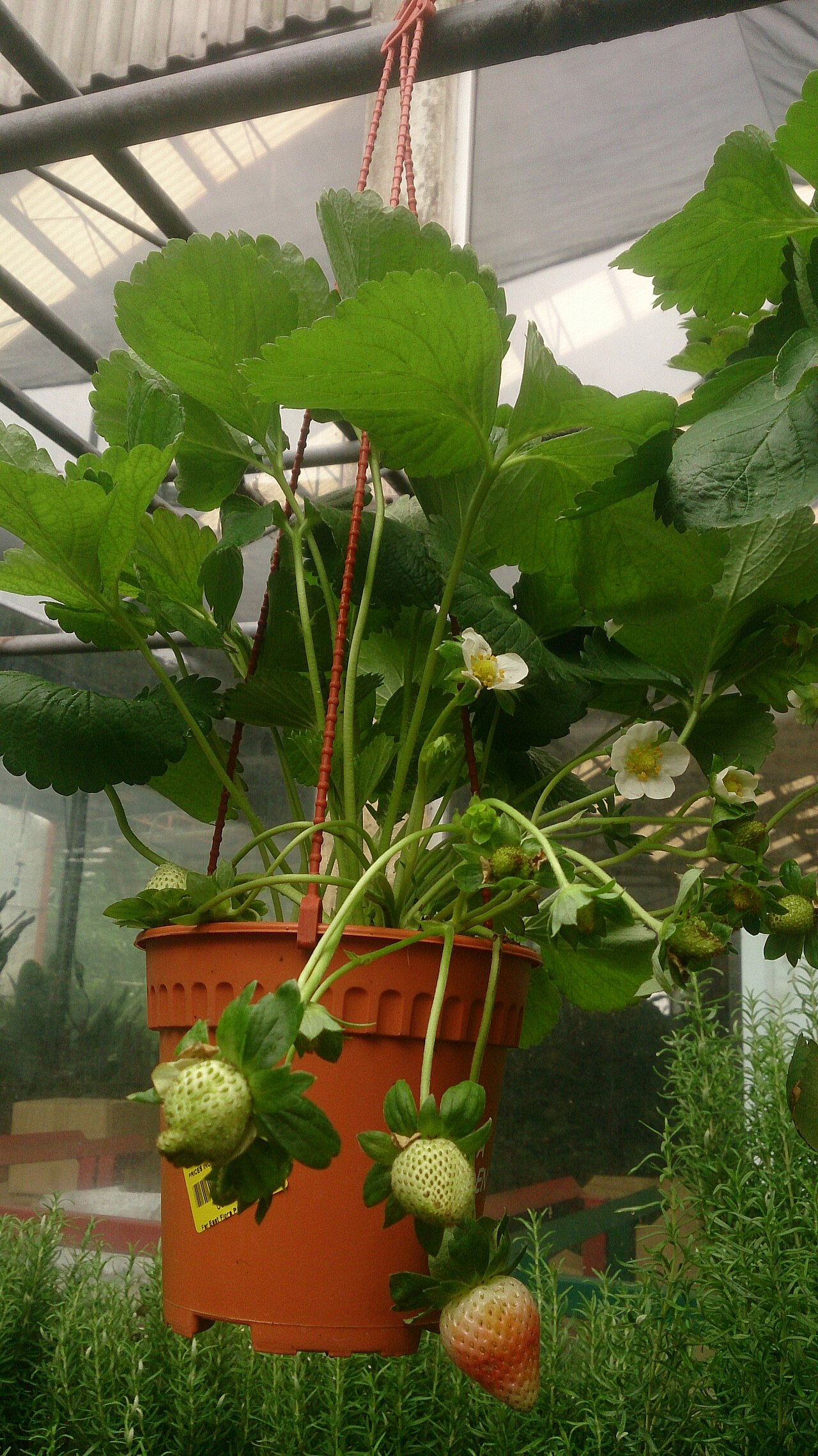
Strawberries need little space and grow happily in pots on a rooftop garden, and one plant sends out runners for more. An article by Megha Mondal in Kolkata's Ei Samay sets out the steps. With care, plants fruit in roughly 60 to 80 days, so seedlings should go in by the first week of December.
Not every variety fruits in a pot. Choose container types such as Sweet Charlie, Festival or Winter Dawn, and buy healthy seedlings with fresh green leaves. Very small seedlings can start in a clay cup or coffee mug and move to a pot once they grow.
Strawberry roots are shallow, so a wide container beats a deep one, and the pot needs drainage holes so water does not pool at the roots. Loam suits it best: mix 30 percent soil, 30 percent cocopeat and 40 percent organic compost for a medium that holds moisture but drains surplus water. Plant in a 6-inch hole in a medium pot, keeping the crown, the thick part the leaves grow from, neither buried nor sitting too high.
The pot should get five to six hours of direct sun a day; mild winter sun is ideal. Water only when the soil is dry, making sure it reaches the roots. Feeding once a month is enough, for example with liquid fertiliser from rotted vegetable and fruit peel or water used to rinse rice or lentils; go easy on nitrogen.
Covering the base of the plant and the soil with plastic, leaving only stems and leaves above it, keeps pests off and moisture in. Neem oil mixed with water can be sprayed against insects or ants.
Photo: Mokkie / Wikimedia Commons (CC BY-SA 4.0)
Source: Ei Samay

Comments
(0)