
Most consumers who buy everything at the market no longer know where their food is grown, how, or with which fertilisers and pesticides. Every family should therefore go back to producing some of the food it needs, argues Abul Foyez Md Habibur Rahman, managing director of North Bengal Paper Mills Limited, in a column published by Dhaka Times on 19 November under the title "To survive, be a farmer for yourself: back to the old ways".
In our forebears' time, he writes, vegetables in the yard, fish in the pond, cows in the shed, ducks and chickens in the courtyard and fruit trees all around were a normal part of village life, and families grew a large share of their own food. Urbanisation, industrialisation and busy working lives have moved people from producing to consuming, and concern about safe food and nutrition has grown with it.
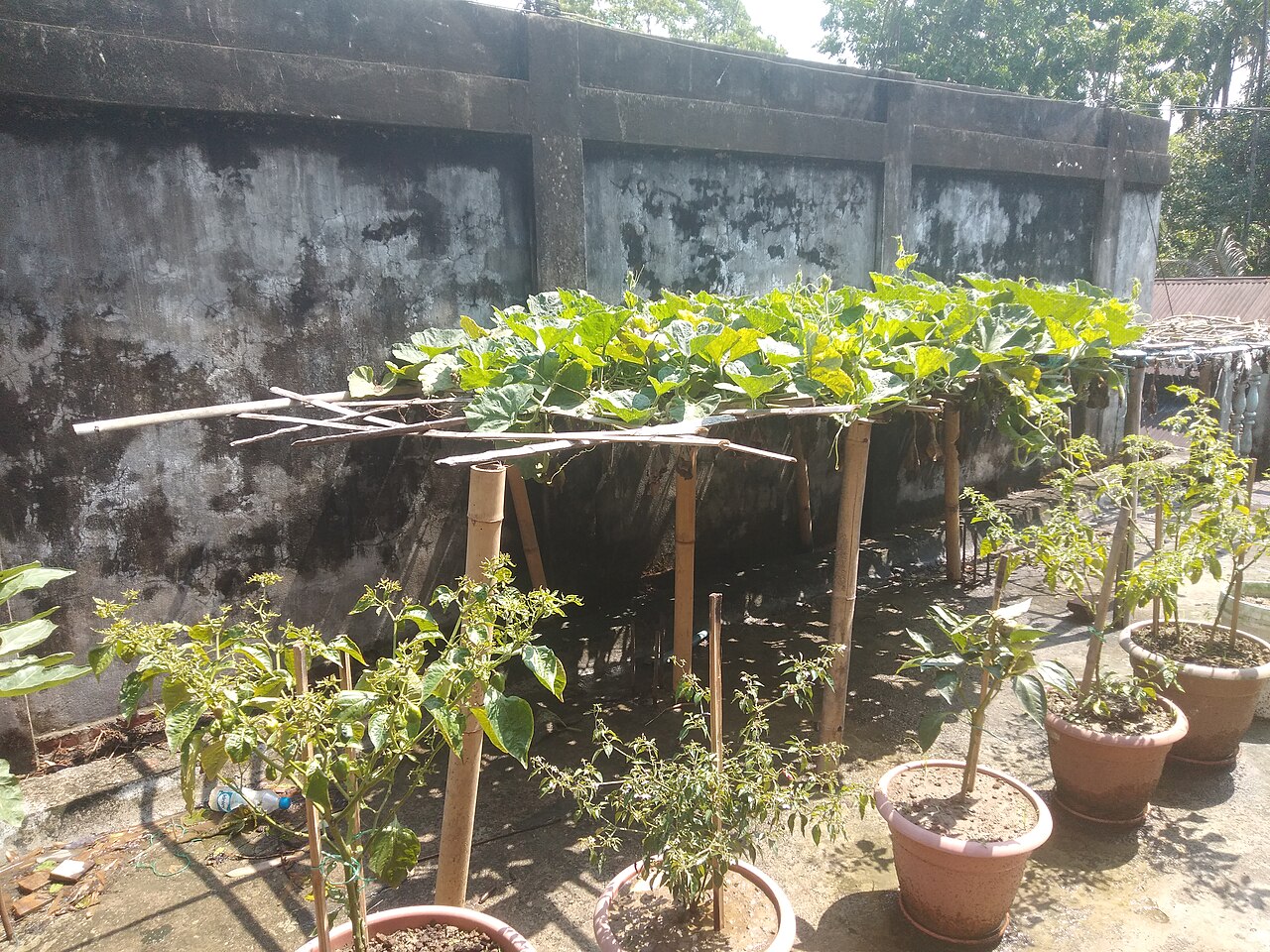
Not every family has to become professional farmers, he writes, but each needs the habit of growing a little of what it eats. Chillies, aubergines, tomatoes, red amaranth, spinach, coriander, bottle gourd, Malabar spinach or lemons need little space on a roof, a balcony, a homestead or an unused corner. With organic manure, compost, vermicompost and environment-friendly pest management, safe food can be grown on a small scale while protecting the soil.
The column also calls for bringing back native fruit. Mango, jackfruit, guava, black plum, lychee, jujube, hog plum, olive, star fruit, sapodilla and pomegranate were once part of rural life. The writer proposes that every family plant at least a few native fruit trees in its homestead or another suitable place, for household nutrition and to keep local varieties alive.
For the cities, he suggests that roofs and balconies of high-rise buildings in Dhaka and Chattogram can be made fit for growing food, but that load-bearing capacity, drainage and safety must be checked before a roof garden is built. He also proposes planned roof gardens on residential buildings, farm gardens and agriculture clubs in schools, hands-on training for students, and the use of technology such as smart irrigation and sensors.
To turn the idea into a social movement, the writer looks to the Department of Agricultural Extension, local government, schools and social organisations: saving and swapping native seed, training for roof gardening and support for making organic manure. With climate change, disasters, rising food prices and uncertain international supply, relying on the market alone is risky in the long run, in his view. A chilli plant, a few pots of greens or a single fruit sapling, he writes, can start a new farming movement.
The views are the writer’s own.
Photo: AbuSayeed / Wikimedia Commons (CC BY-SA 4.0)
Source: Dhaka Times

Comments
(0)