
Two new reports point to an uncertain 2027 for farmers in both hemispheres, with trade policy, fertiliser costs and a possible El Niño weighing on how much they will spend, including on new technology.
Purdue University's latest Ag Economy Barometer found US farmer sentiment slightly up overall, but the share of producers reporting a strong balance sheet fell from 76% in January to 60% in October. Michael Langemeier, the barometer's principal investigator, said that although government support brought some relief, many producers remain unsure how future policy decisions will affect agriculture, and concerns about trade policy are shaping their view of its long-term prospects.
A McKinsey analysis released this week puts US net cash farm income for 2026 roughly level with 2025, while direct government payments rose from $28 billion to $47 billion, from about 16% to about 27% of the total, largely through the Farmer Bridge Assistance and Harvest Fuel Relief programmes. McKinsey partner Tom Brennan called a quarter of farm income coming from Washington "very much an anomaly" and said fertiliser may be the bigger swing factor for 2027: farmers who bought inputs in autumn 2025 were shielded from the rise in nitrogen and phosphate prices after February's disruption in the Strait of Hormuz, but have not yet bought for next season. Farmers usually cut phosphate and potash before nitrogen, he said, which works only for a year or two before soils run short.
In Brazil, the Selic benchmark interest rate remains high compared with 2020-21, when many farmers borrowed, and banks have pulled back on new lending. McKinsey found fertiliser affordability in Mato Grosso at a multiyear low: a tonne of MAP fertiliser now costs about 50 bags of soybeans, up from 43. Of the Brazilian farmers surveyed, 68% named extreme weather among their top three risks. Tim Lillie, a McKinsey partner in Argentina, said El Niño cuts both ways: specialty crop yields in Peru are already suffering, while Argentina and parts of Brazil could get more rain and better yields.
McKinsey's global survey of 5,500 farmers, carried out in March and April, found North American growers judging precision farming tools strictly on return on investment, with usability also counting in Europe. Biostimulants have held up: farmers reported getting $20 or more back for every $10 an acre spent and plan to keep spending at least as much. The survey did not measure whether farmers are trying fewer new technologies or practices, but Brennan said farmers, retailers and companies report that growers experiment less when times are hard.
Lillie cautioned that the averages hide wide differences between regions, farms and crops. Some farmers still plan to buy machinery this year while others are waiting for more certainty.
The report is by Jennifer Marston.
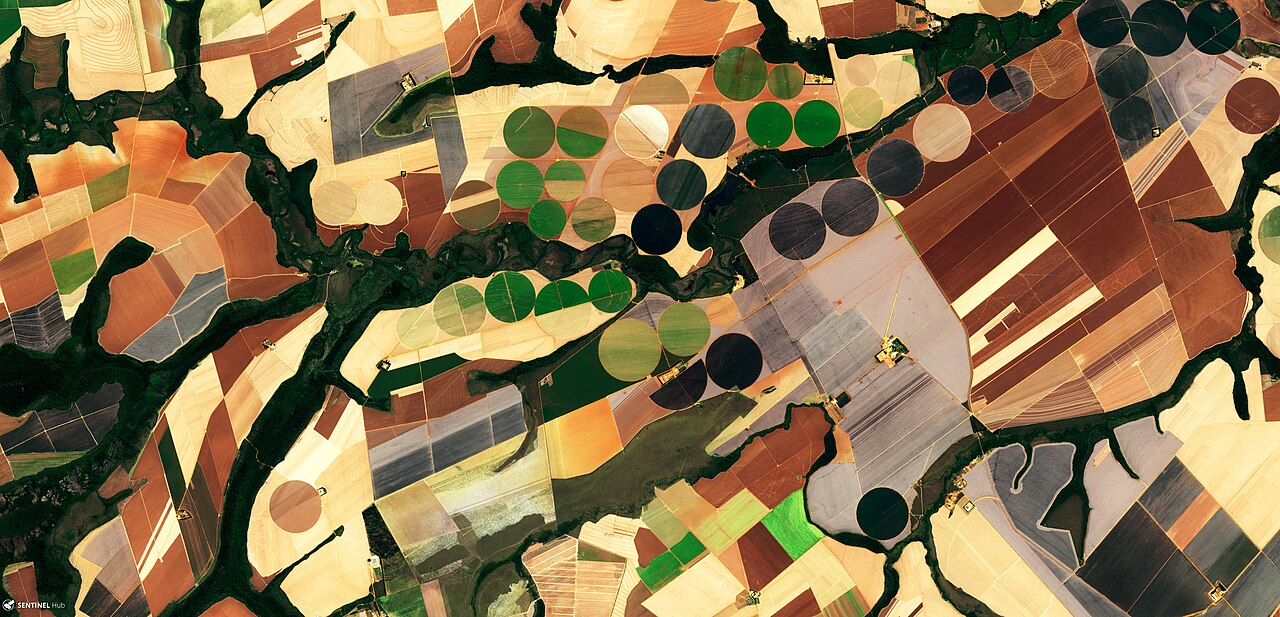
Photo: SentinelHub / Wikimedia Commons (CC BY 2.0)
Source: AgFunderNews


Comments
(0)