
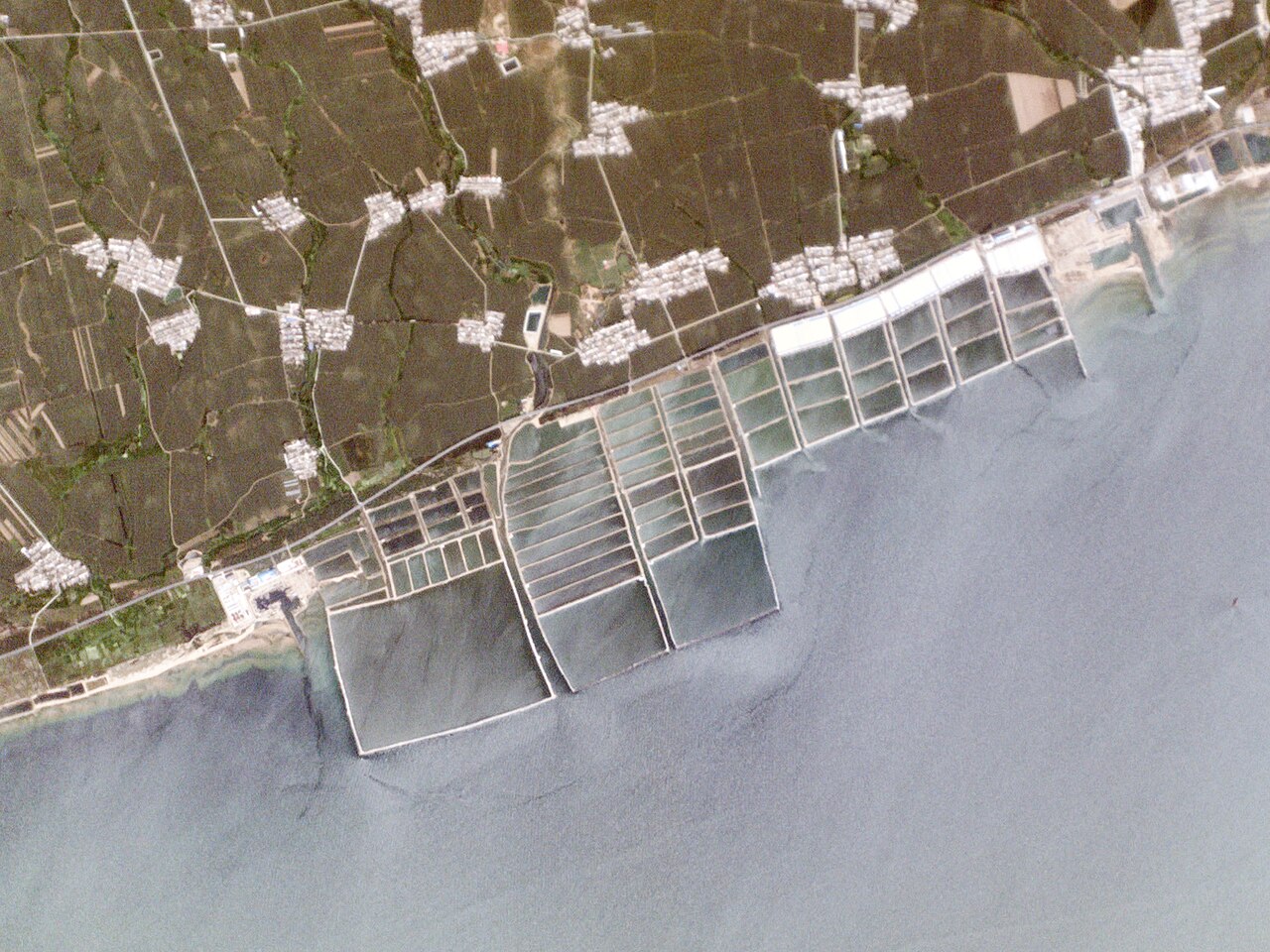
China's aquaculture industry is investing more in precision farming technology and moving towards higher-value species as rising feed and production costs squeeze profits, according to Maggie Xu, China Director of IFFO, the marine ingredients organisation. She was speaking at IFFO's annual conference in October.
"Competition in the aquafeed markets is expected to be white-hot," Xu said. With margins under strain, she said, producers are having to rethink how they manage their farms and look for new ways to improve efficiency and returns, which will bring "a more diversified landscape with increased focus on high value-added species."
The shift towards technology is clearest in shrimp, Xu said, where farmers are adopting precision farming practices and investing more heavily in equipment to optimise production and manage costs.
Aquaculture remains by far the largest user of fishmeal in China, taking 97.2 percent of the country's consumption, although Xu expects that share to fall in 2026. Fish oil demand is more spread out: aquaculture took 61.4 percent, direct human consumption 30.5 percent and pet food 8.2 percent. Demand for fishmeal from China's pig feed sector is expected to weaken further, which Xu put down to persistently low pig prices that have cut demand for piglets and feed.
Globally, IFFO estimates that aquaculture consumed 92 percent of fishmeal and 72 percent of fish oil in 2025, and accounted for 96 percent of the increase in fishmeal use that year as pig and poultry feed used less. China took 47 percent of the fishmeal used in aquafeed worldwide and 47 percent of global fishmeal imports, said IFFO market research director Enrico Bachis. He added that fishmeal exports rose 11 percent and fish oil exports 19 percent in 2025, led by Peru, with fast growth from India and Oman.
Opening the conference, IFFO President Adriana Giudice called for closer collaboration across the industry and wider use of data and technology, including tools that monitor fish biomass, to help it cope with El Niño and unstable ocean conditions.
The report was written by Amanda Lim.
Photo: Planet Labs inc. / Wikimedia Commons (CC BY-SA 4.0)
Source: AgNavigator

Comments
(0)