
The American Soybean Association (ASA) has warned that waiving next year's renewable fuel blending obligations would "strike a major blow to domestic U.S. soybean markets and rural economies more broadly", in a statement on 10 November.
The request came from Louisiana Governor Jeff Landry and Alabama Governor Kay Ivey, who petitioned Environmental Protection Agency Administrator Lee Zeldin on 9 November for waivers from the Renewable Fuel Standard (RFS) for 2027, with the support of the governors of Texas, Arkansas and Mississippi. They argue the standard adds a cost to every gallon of gasoline and diesel sold in their states, on top of the price of crude oil, which is passed on to consumers.
The EPA has set next year's renewable fuel requirement at 25.98 billion RINs, each equal to one ethanol-equivalent gallon. A 2019 Government Accountability Office report found the standard was associated with modest gas price rises outside the Midwest, where most corn ethanol is produced, because other regions had to pay for shipping and storage.
The Renewable Fuels Association rejects the governors' case. In a 13 November letter to Zeldin, its president and chief executive Geoff Cooper said fuel prices have been driven up by disruptions in global petroleum markets, including turbulence in the Strait of Hormuz, that "have nothing to do with the RFS", and that the request would make renewable fuel producers and farmers bear the consequences.
The ASA wants full compliance with the standard in 2027. It says current volume obligations have driven a surge in domestic demand for soybeans, a boom in biofuel production and billions of dollars of investment in new and expanded soybean crushing plants. That processing, it says, creates jobs, improves the local basis farmers receive and lowers the cost of soybean meal for livestock producers as more soybean oil is demanded.
The report is by Diego Flammini.
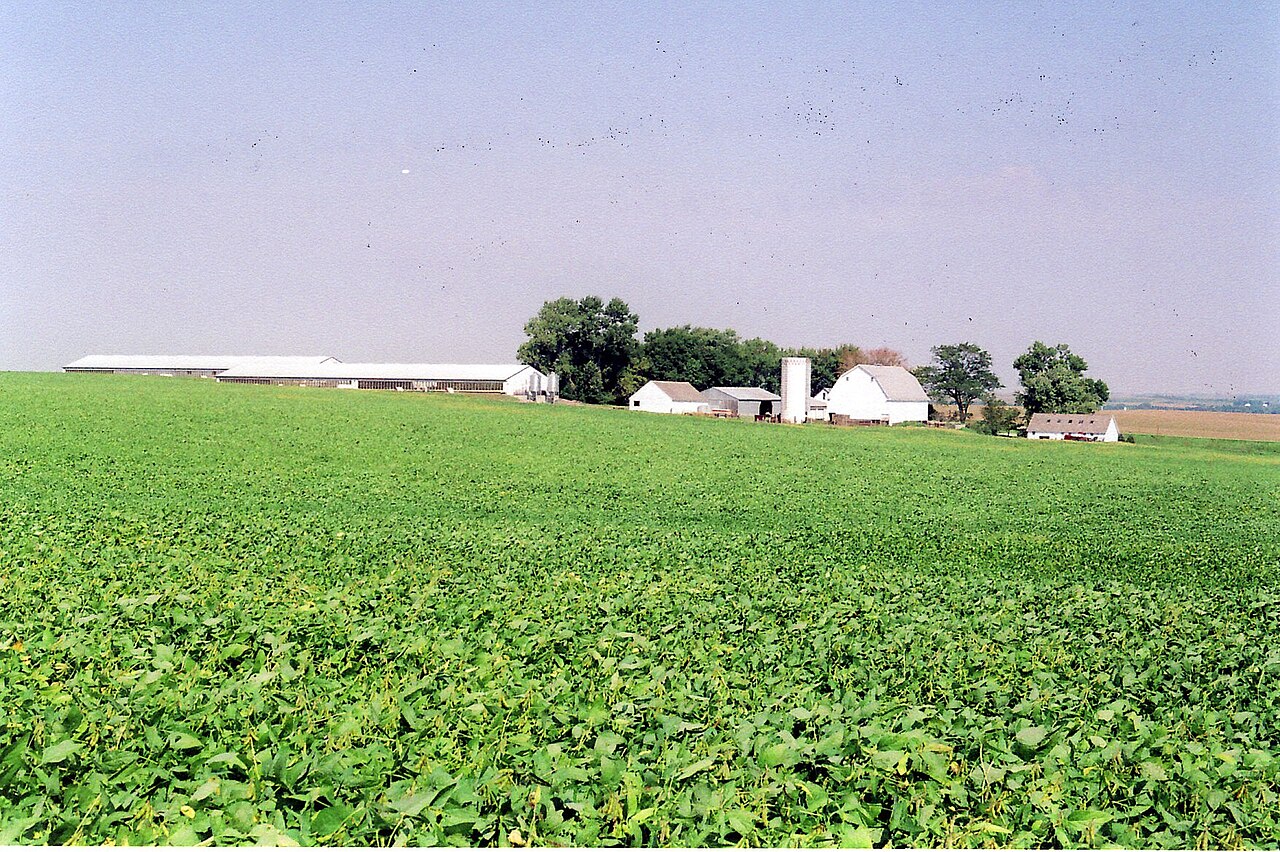
Photo: inkknife_2000 / Wikimedia Commons (CC BY-SA 2.0)
Source: Farms.com



Comments
(0)