
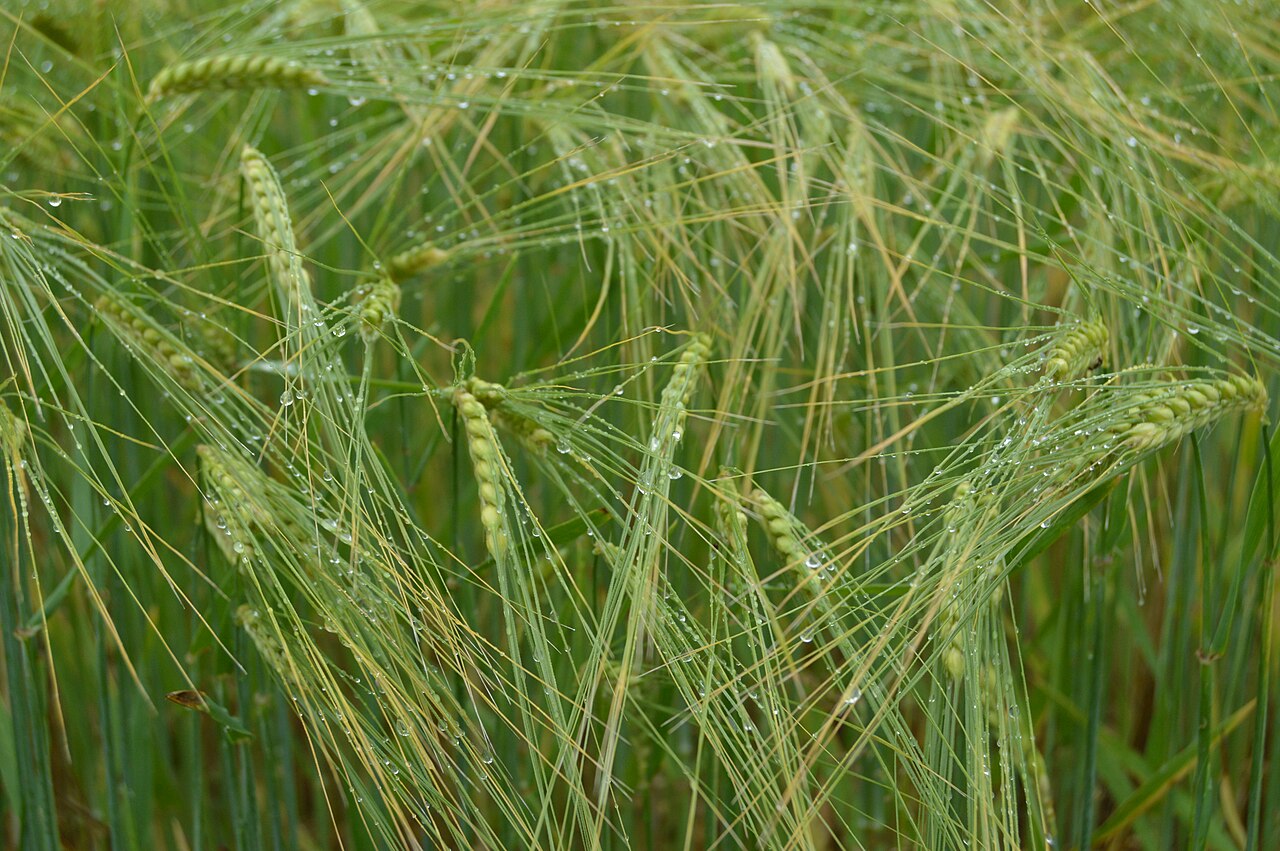
Western Canadian barley growers choosing malting varieties for the 2027 season are being urged to look first at market demand, as the Canadian Malting Barley Technical Centre (CMBTC) publishes its 2027-28 Recommended Malting Barley Varieties List.
The list shows an industry in transition. AAC Synergy remains by far the most widely grown variety, at 37.6% of Western Canadian malting barley acreage in 2026, up from 35.6% in 2025 and 33.6% in 2024. CDC Churchill has grown fastest, from 7.1% in 2024 to 9.6% in 2025 and 13.7% in 2026, while the long-time standard CDC Copeland fell from 17.4% to 13.5% and then 10.6%. AAC Connect held 10.9% and CDC Fraser 8.7%.
International buyers are backing the newer varieties. In July 2026 Tsingtao Brewery, China's second-largest brewer, added CDC Churchill to its accepted Canadian varieties, after Chinese industry acceptance of AAC Connect and CDC Fraser. CMBTC managing director Peter Watts said building customer acceptance as farmers adopt newer varieties is the centre's priority, and is important to keeping Canada's established markets. The centre works with maltsters and brewers in China, Japan, Mexico, Colombia and the United States, and acceptance can take several years of testing in their plants.
The new list rates domestic demand for AAC Synergy as peaked and export demand as steady. Both domestic and export demand for CDC Churchill are growing, as is export demand for AAC Connect, while CDC Fraser has steady domestic and limited export demand. CDC Copeland has moved to the list's "additional varieties" category, though growers are told to ask local buyers about contracts.
Three registered varieties are in seed propagation and market development: AAC Prairie, with short, strong straw, medium protein and high enzymes; AB Foothills, with high yield, lower protein and high enzymes; and SY Stanza, with short, strong straw, medium protein, low enzymes and a non-glycosidic nitrile trait that suits it to all-malt distilling.
The message for farmers is that agronomy is only part of the decision. Unlike feed barley, a technically strong malting crop earns no premium unless a buyer wants that variety and the grain meets the buyer's specifications, so talking to buyers before seeding matters.
Photo: Montgomery County Planning Commission / Wikimedia Commons (CC BY-SA 2.0)
Source: Farms.com


Comments
(0)