
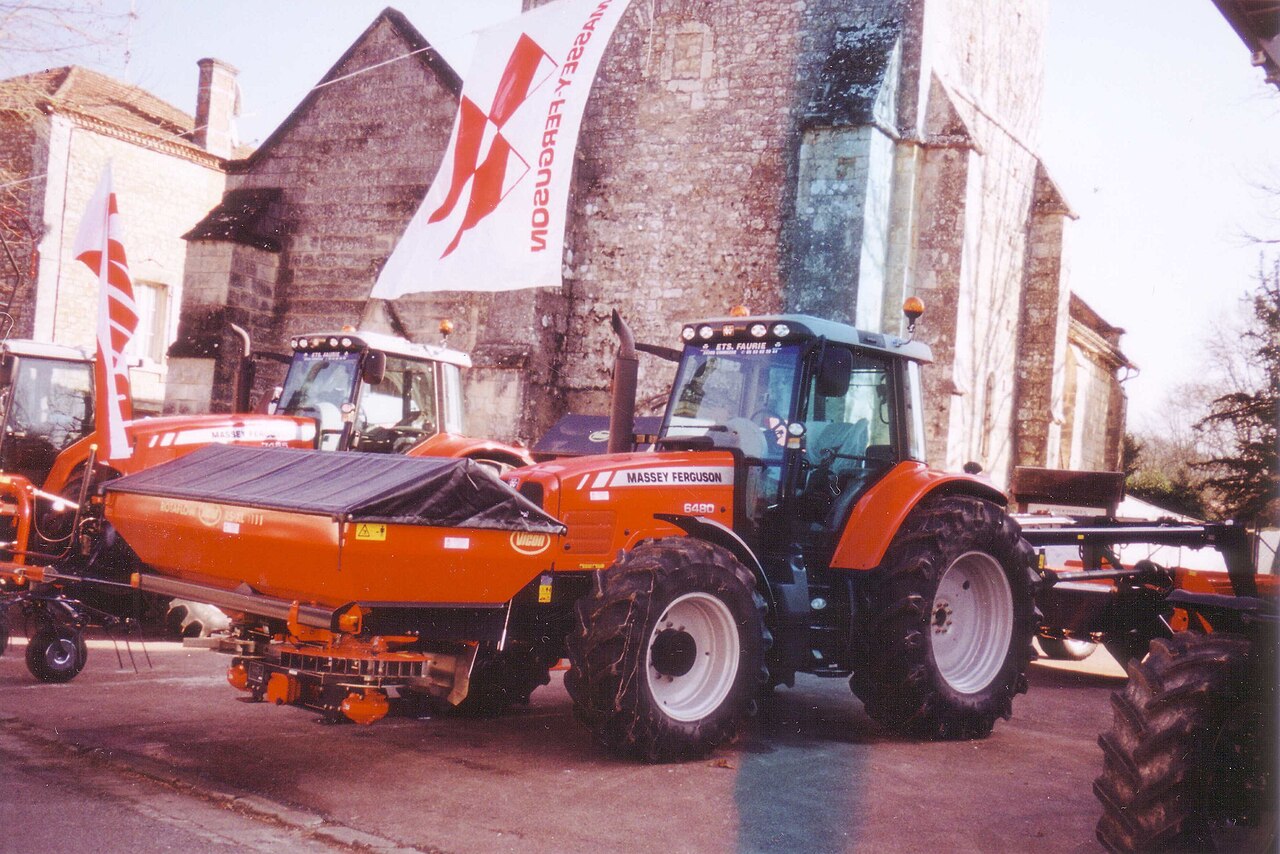
Makers of dry fertilizer spreaders in the United States expect business to pick up in 2027 after a difficult year, CropLife's Eric Sfiligoj reports. Corn and soybean prices are up 14% and 25% respectively from 2025, fertilizer prices are beginning to stabilise, and fuel is getting cheaper as some states have suspended taxes, Ohio among them, and legislation has allowed red-dyed diesel to be used to increase supply.
"Many of our customers are optimistic in preliminary conversations about sales next year," said Matt Miner, Executive Director of Revenue at New Leader Manufacturing, whose NL7 series spreaders the company says are gaining in efficiency and precision. Miner expects artificial intelligence and autonomy to raise productivity and accuracy when fertilizer is applied, helping buyers get more return from the machine. "It's not if but when AI will play an active role in the operation of agricultural equipment," he said.
This year was hard. Input costs were high and commodity prices low, and "doing more with less has been the driving force for the past several years in this agricultural downturn," Miner said. Jason Eaton, General Manager at RBR Enterprise, said many companies had not updated their fleets and put off buying decisions until the last minute.
A longer shift has also hurt autumn sales. Growers traditionally split fertilizer roughly 50-50 between spring and autumn, but with more scrutiny of fertilizer runoff, many now apply more in spring, so fewer spreaders sell in the fall. Marc Heater, Head of Product and Marketing North America at Amazone, said the trend continued in 2026, with low commodity prices, high fertilizer prices and high fuel prices also holding back purchases. Many growers skipped fall spreading to see where fertilizer prices went and to save fuel, he said.
Heater still sees an upswing. "For us and our dealers, I would say the outlook is looking better for 2027," he said, because many customers have kept their machines longer than usual and will need to trade them in. Miner added that input costs and the grower's return on investment will decide the direction of the market.
Photo: Traumrune / Wikimedia Commons (CC BY 2.5)
Source: CropLife

Comments
(0)