
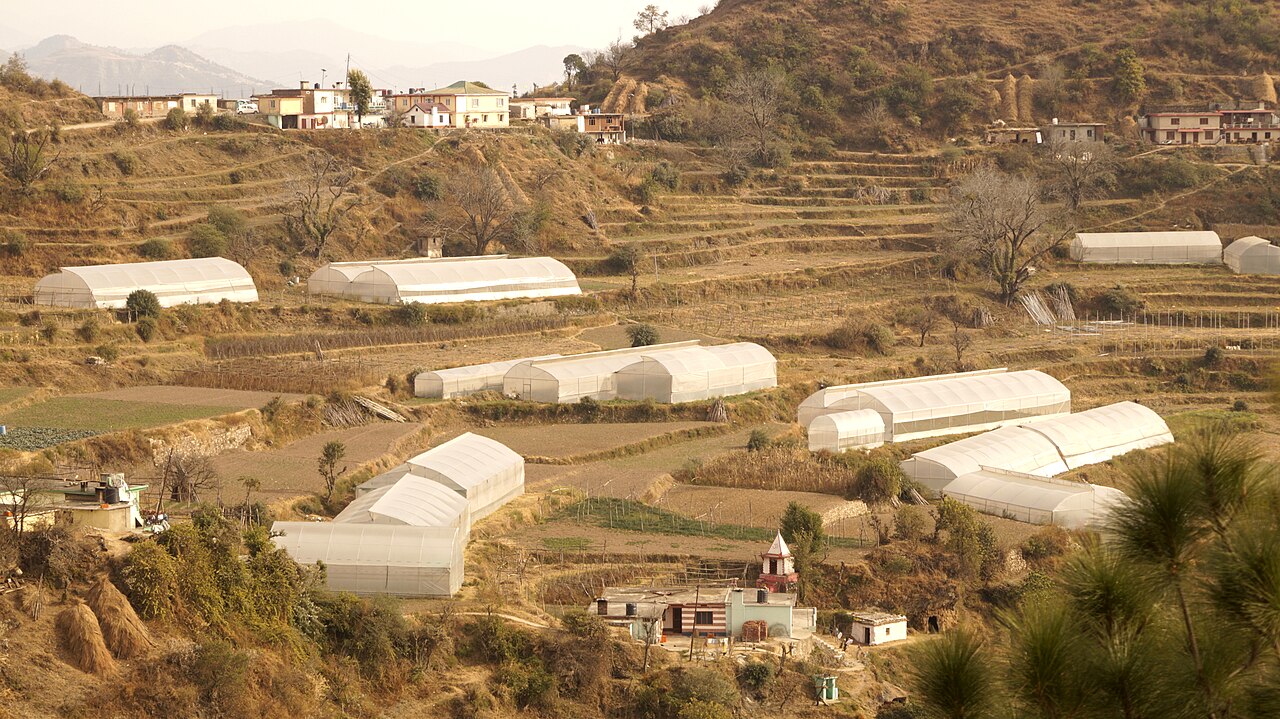
A polyhouse is bought once and used for years, yet many farmers compare quotations on a single number, the price per square metre. Two quotes with the same total can describe very different structures, warns Vikram Chouhan of BLUSTAL (Blue Stallion Equipments Pvt Ltd), a Ludhiana maker of greenhouse, polyhouse, irrigation and hydroponic equipment, in a guide for Rural Voice. Reading the document line by line, he says, prevents most of the disputes that come later.
Start with the frame. The quote should give pipe or section sizes, wall thickness and the steel's coating; for galvanised steel, the thickness of the zinc decides how long the frame resists rust, especially near the coast or in humid areas. "GI pipe" alone is not a specification. Wider spans and wider gaps between columns use less steel but are weaker against wind, so ask what wind speed the design is meant to withstand and who calculated it.
Then the cover. The plastic film should be described by thickness in microns, its life, whether it is UV stabilised and whether it diffuses light; a cheap film that fails in two seasons costs more than a good one. For net houses, the mesh count and shade percentage matter in the same way. Count the fixings too: profiles, locking channels, spring wire, clamps, base plates and bolts are often left vague, and that is where leaks, tears and loose film begin. Ask for a quantity of each.
A low rate can simply mean items were left out. Doors, side and roof vents, insect screens, foundations, drip lines, fogging or cooling and benches are often extras, so ask for a list of inclusions and exclusions marked yes or no. Find out who levels the site, pours the footings and builds the drainage, and whether transport and unloading are in the price.
On subsidy, Chouhan notes that under the Mission for Integrated Development of Horticulture a cost norm per square metre is used to work out the subsidy. That norm is a ceiling for the subsidy, not a price the supplier should match, and both the norm and the application rules change, so check them with the state horticulture department before signing.
Finally, get the payment schedule, delivery period, warranty on frame and film, and responsibility for installation in writing, and ask what happens if a part fails in the first year. Put two or three quotes side by side with the same rows, from area and frame to extras and payment terms, so the difference in totals shows where it comes from. And visit a working polyhouse from the same supplier after a monsoon or a hot summer. A good supplier will not mind the questions, the guide concludes; one who avoids them has already said something about the project.
Photo: Harvinder Chandigarh / Wikimedia Commons (CC BY-SA 4.0)
Source: Rural Voice



Comments
(0)