
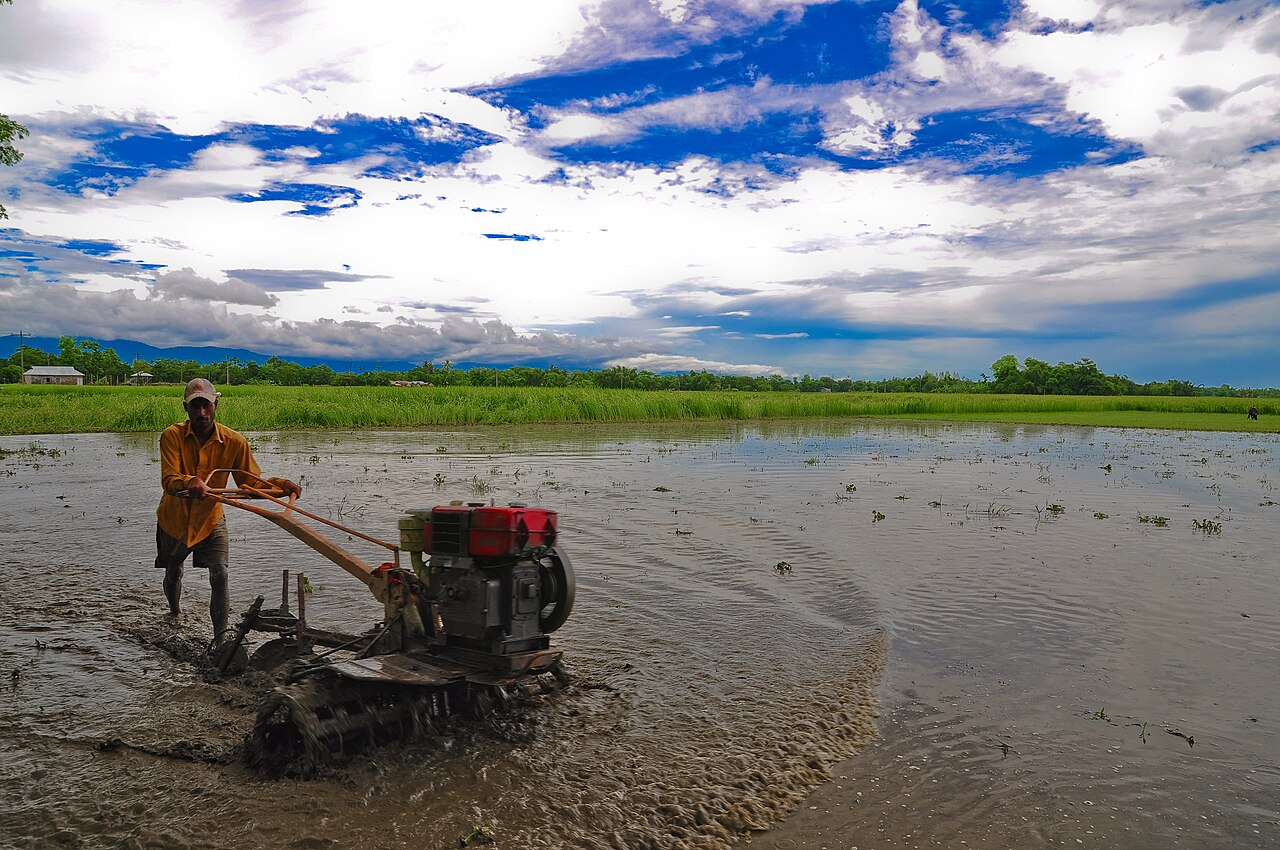
ACI Motors has used artificial intelligence and the Internet of Things to combine sensor data from Yanmar harvesters with satellite data from Japan's space agency JAXA, producing a map that comes close to the real picture of rice production in Bangladesh. Managing director Subrata Ranjan Das told Prothom Alo in an interview that the company has offered the data to the government and wants to work on it jointly.
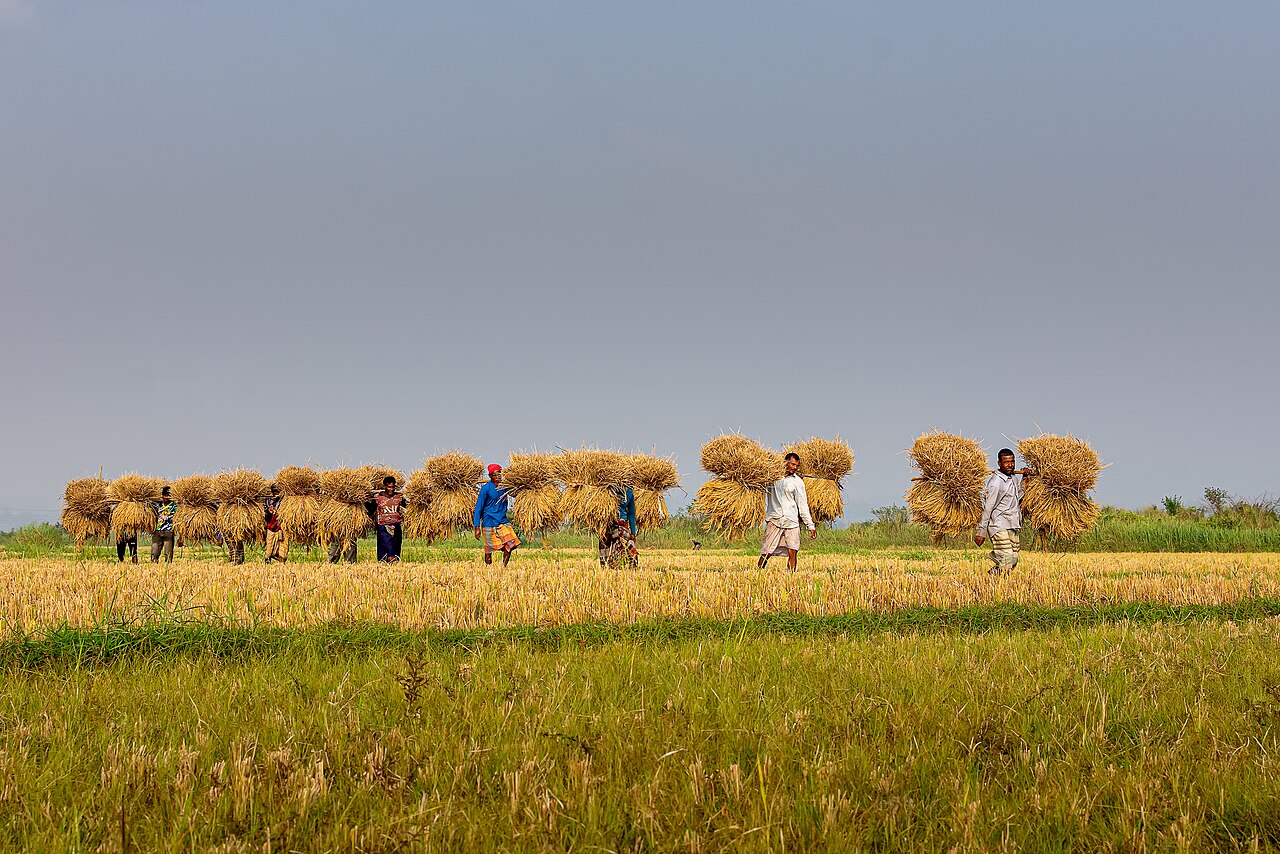
The problem is land. Bangladesh has about 2 per cent of the world's people but only 0.03 per cent of its arable land, he said, so the next crop must follow quickly after each harvest. Disasters are more frequent, labour is short at sowing and harvest, the average farmer is over 45, and 10 to 40 per cent of crops are lost after harvest. Fragmented plots and the high upfront cost of machines are further barriers.
He said the map could help plan rice production and allocate resources, and called for a clear policy on using drones to spray fertiliser and pesticide. ACI Motors builds smart power tillers and threshers at its factory, but to compete with Indian and Chinese supply chains the country needs to make more spare parts locally, and the parts industry in Bogura needs proper testing laboratories.
Because plots are small, many entrepreneurs buy machines and sell services to farmers, so they need easy financing as well as farmers. With no modern hire-purchase law, lenders rely on cheques and the Negotiable Instruments Act; a law like those in neighbouring countries would protect both buyer and lender, he said.
He proposed keeping subsidies on combine harvesters and transplanters, appointing an agricultural engineer in every upazila, licensing to keep out substandard machines, and a separate department for mechanisation. The company services tractors within six hours and tracks customer satisfaction through a digital dashboard, an app and IVR calls.
Bangladesh imports about $15 billion of farm and farm-related goods a year, a figure that could double in ten years without action, he said. Raising domestic output, cutting fertiliser imports by making organic fertiliser, and using technology to make farming an attractive career for young people is the way forward in his view.
Interview by Prothom Alo's staff correspondent.
Photo: Balaram Mahalder / Wikimedia Commons (CC BY-SA 3.0)
Source: Prothom Alo

Comments
(0)