
Cyclone Arnab crossed the coast of Andhra Pradesh and Yanam near Narsapur early on Wednesday, 28 October. According to the India Meteorological Department, winds were 125 to 135 km an hour at landfall, gusting to 150 km an hour. The Kolkata daily Ei Samay has published a photo gallery of the damage along the coast.
Konaseema, Kakinada and West Godavari districts were hit hardest. The Konaseema district collector's figures put the number of power poles brought down at about 6,000. In Kakinada heavy waves damaged the Uppada beach road; trees and hoardings fell, low-lying areas flooded and several mobile towers went down, cutting communications.
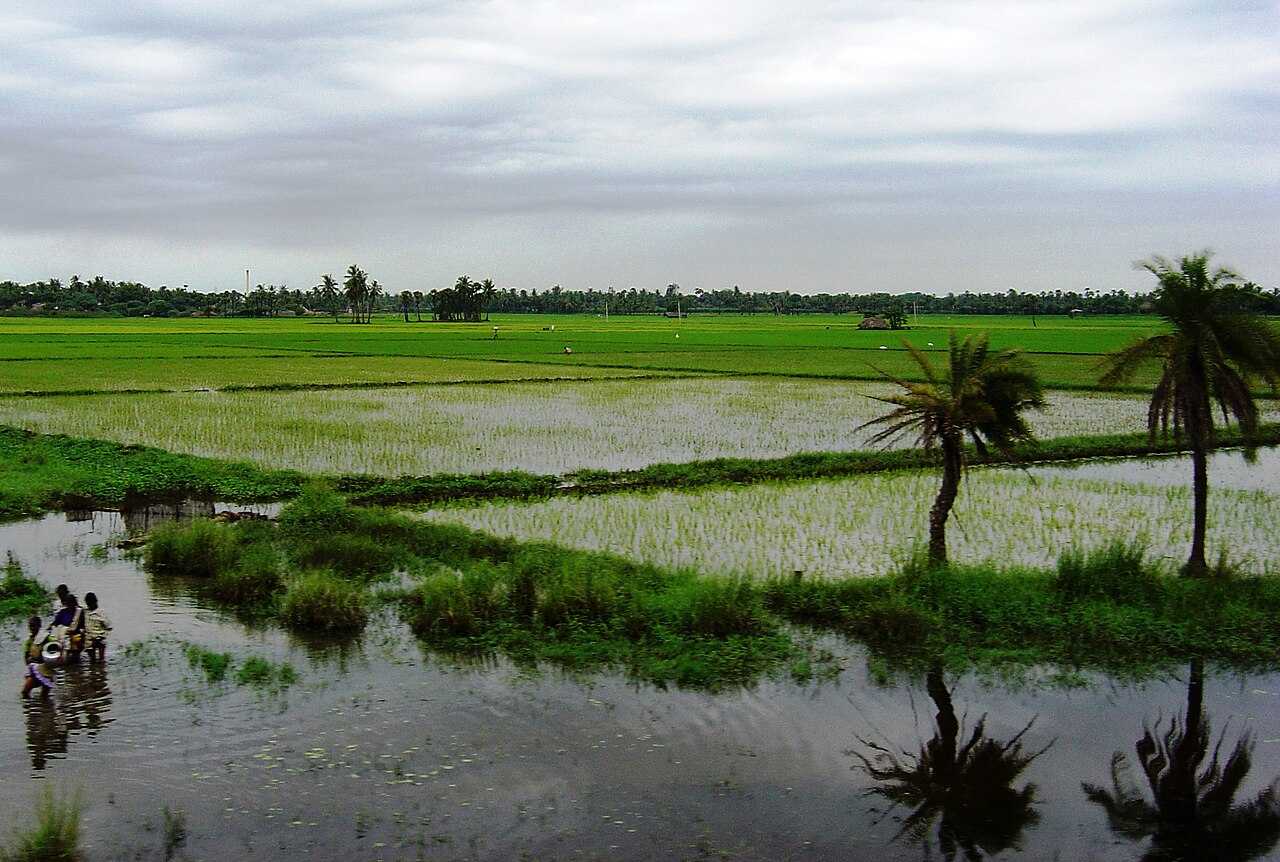
Farmers are the most worried. Across the Godavari belt the paddy was close to ripening; heavy rain and gales have laid the plants flat in many fields and left water standing in others. Banana, coconut and other horticultural crops may also be damaged. How much of the crop can be saved, and what compensation will come, are now the farmers' questions.
Fishers are in trouble too. Going to sea in the rough water is dangerous, and boats and other gear have been damaged in several places along the coast. When they cannot go out, many families lose their daily income.
The storm brought back memories of the cyclone of 6 November 1996. Media reports put its winds at 200 to 250 km an hour; it struck south of Kakinada and killed 1,057 people. This time people were moved from high-risk areas before landfall, and relief camps and disaster response forces were kept ready.
The same storm led the Bangladesh Meteorological Department to hoist local warning signal 3 at the country's sea ports and to tell fishing boats in the northern Bay of Bengal to stay close to the coast. The gallery was put together for Ei Samay by Rohit Paramanik.
Photo: Paddy fields in West Godavari district, Arindamd99 / Wikimedia Commons (CC BY-SA 3.0)
Source: Ei Samay

Comments
(0)