
A couple in Nagpur, Maharashtra, Akshay Hole and Divya Lohakare Hole, are growing saffron indoors without soil. They use aeroponics: the roots hang in the air and a fine mist delivers water and nutrients, while temperature and humidity in the room are controlled to recreate Kashmir's climate in one of India's hottest cities.
Climate was the problem. Saffron is associated with Kashmir's cold valleys, while Nagpur is fiercely hot; a controlled room provided the cold. Harvest runs from August to December, and the rest of the year goes into tending the corms. The units run on solar power, and with no soil there is no fertiliser bill.
Akshay is a BBA graduate and Divya worked in a bank. In 2020 they decided to try something outside conventional jobs. Before starting, they spent about three and a half months in Kashmir over two years learning saffron cultivation, then set up an 80 sq ft "vertical aeroponic" unit on the roof of their home in Lokseva Nagar, Nagpur. Their first 100 corms, weighing a kilogram, gave a few grams of saffron; 350 kg of corms later gave about 1,600 grams. The business now covers 480 square metres at two sites, including a 400 sq ft room in a flat in Hingna.
They put the initial investment at about Rs 55 lakh and total earnings over five years at more than Rs 1.3 crore. From 2023 to 2025 they earned Rs 40-50 lakh a year, and with partner units produced about 45 kg of saffron last year. After quality certification from the Saffron Institute in Kashmir, their saffron sells at about Rs 630 a gram, around Rs 6.3 lakh a kilogram.
Akshay reckons a small 100 sq ft unit would cost about Rs 10 lakh to set up and could produce about Rs 5 lakh of saffron a year at a margin of about 80 per cent. Doing most of the work themselves saves on labour, and the equipment lasts 20 to 25 years. These figures are the growers' own.
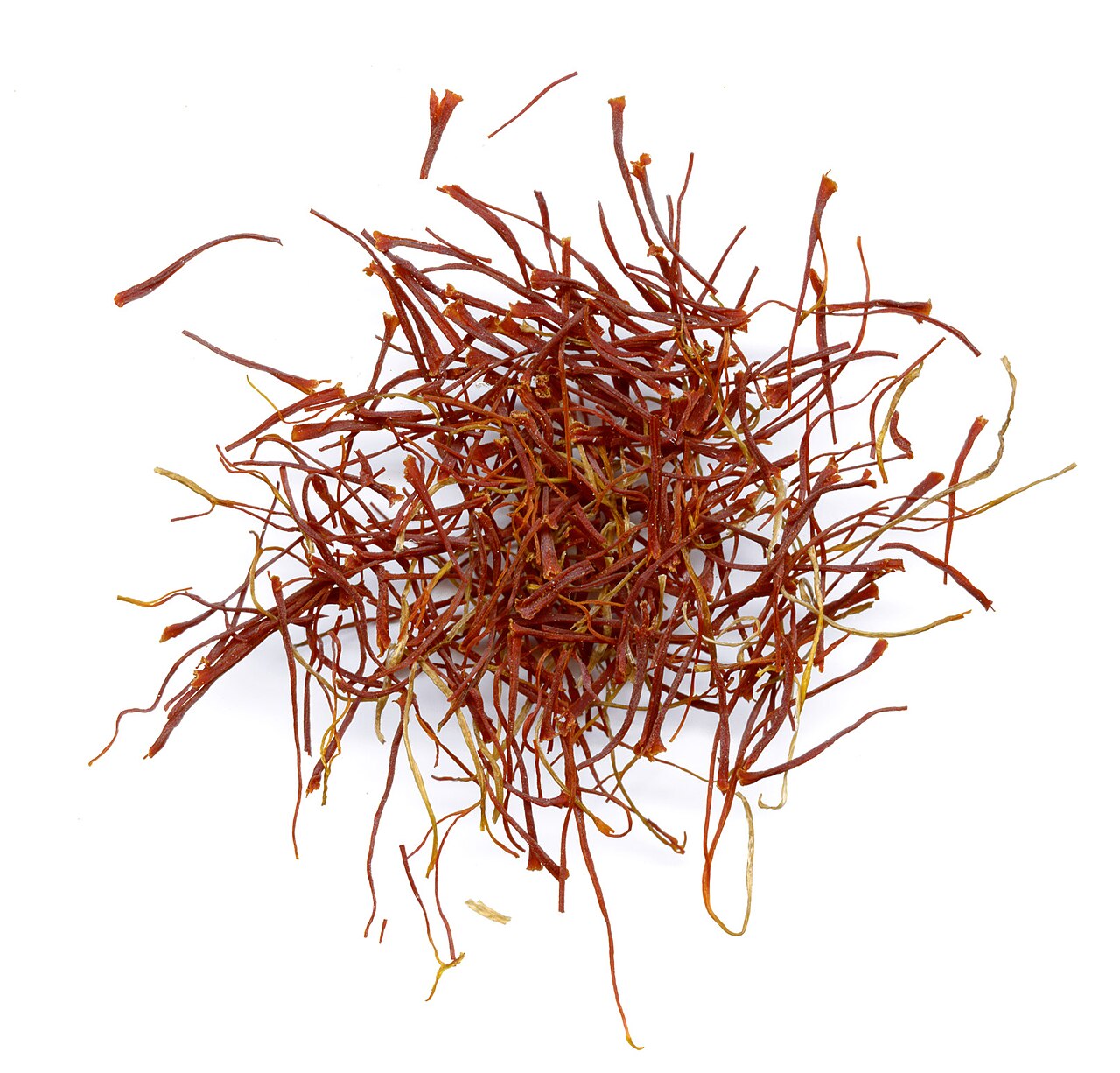
What is new is that a high-value crop tied to Kashmir can be grown in a hot city inside a single room, with a controlled environment rather than farmland as the main input. The original report was written for Sangbad Pratidin by Buddhadeb Halder. The photograph shows saffron threads, not the Nagpur farm.
Photo: Rainer Zenz / Wikimedia Commons (public domain)
Source: Sangbad Pratidin


Comments
(0)