
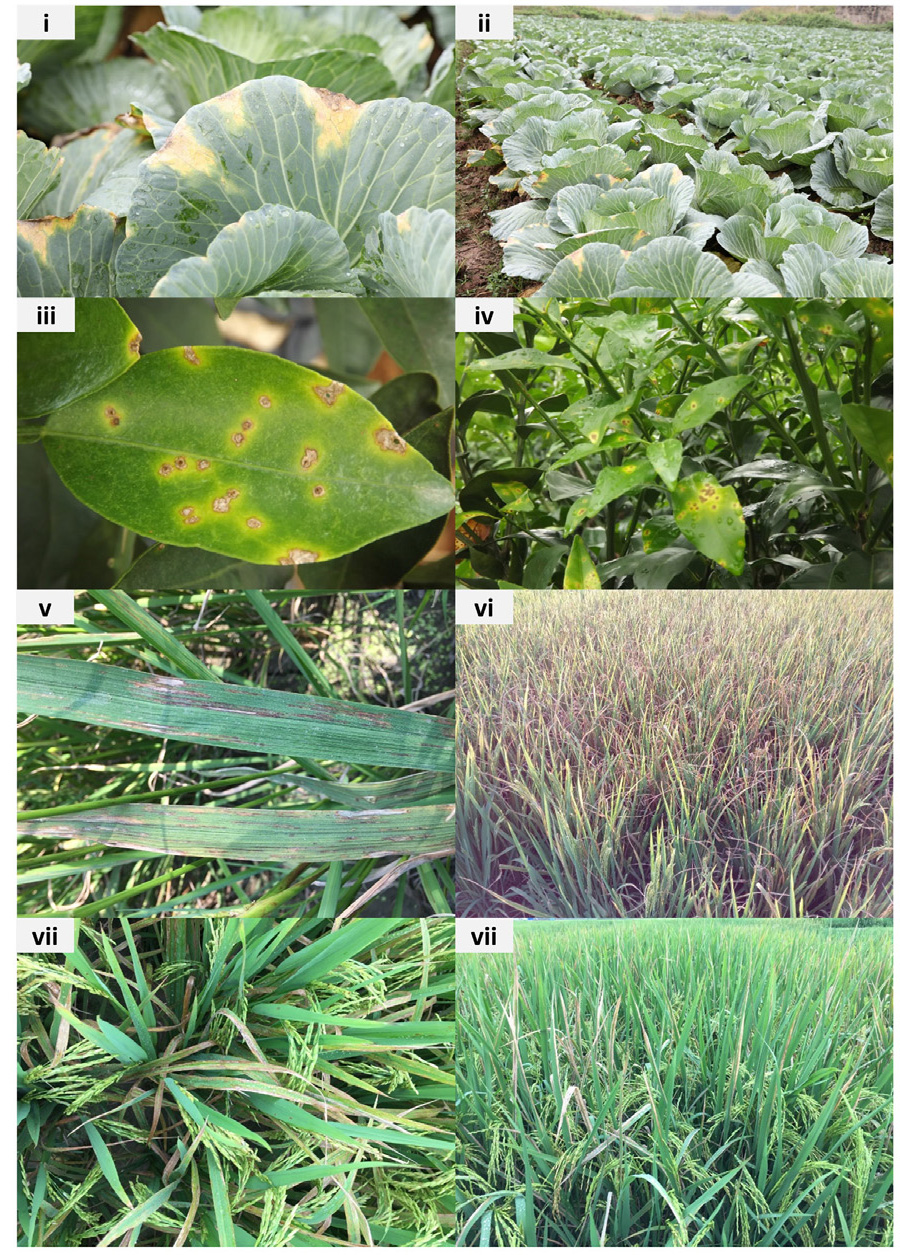
Researchers at the University of Missouri have used a gene-editing tool designed by artificial intelligence to produce rice plants that resist bacterial blight, one of the most destructive diseases of the crop worldwide. The university announced the work on 2 November.
The tool, OpenCRISPR-1, was designed with artificial intelligence by Profluent, a company based in California, and had until now been shown to work only in animal cells. The Missouri team adapted it for rice, which makes this one of its first documented uses in a food crop. The work was led by Bing Yang, Curators' Distinguished Professor of Plant Science and Technology at the university's Bond Life Sciences Center and a principal investigator at the Donald Danforth Plant Science Center in St. Louis.
Bacterial blight enters rice through natural openings and wounds in the leaves and can cause severe yield losses. Global Agriculture notes that it does the most harm in parts of Asia and Africa, where rice is a staple and many smallholders have no access to resistant seed or chemical control.
The findings were published in the journal aBIOTECH, with Ajay Gupta, Rabia Ahuja and Bo Liu among the authors alongside Yang. According to the paper, OpenCRISPR-1 allowed targeted mutagenesis and prime editing in rice, giving the team a way to make precise genetic changes for disease resistance without relying on the Cas9-based systems that have dominated plant gene editing in recent years.
Yang's laboratory has long used bacterial blight as a model for studying how rice interacts with disease-causing microbes, and has worked before with CRISPR and TALEN editing tools to study and build resistance traits.
The researchers cautioned that the resistance is still in a laboratory line and has not been bred into any commercial variety. Reaching farmers will need more testing, regulatory review in the countries where the rice would be grown and partnerships with seed or biotechnology companies, a process the team expects to take several years.
Yang said farmers in the parts of Asia and Africa where bacterial blight causes the heaviest losses stand to gain most once the trait reaches commercial varieties. The team also said the same approach could in future be tried on other staple crops, including corn and soybeans.
Photo: An SQ, Potnis N, Dow M et al. / Wikimedia Commons (CC BY 4.0)
Source: Global Agriculture

Comments
(0)