
About 32,000 Ethiopian farmers are using science-based fertilizer recommendations matched to their crops, soils and local conditions, at a time when a 100kg bag of fertilizer in Ethiopia has risen from about US$25 to US$88, ICRISAT says.
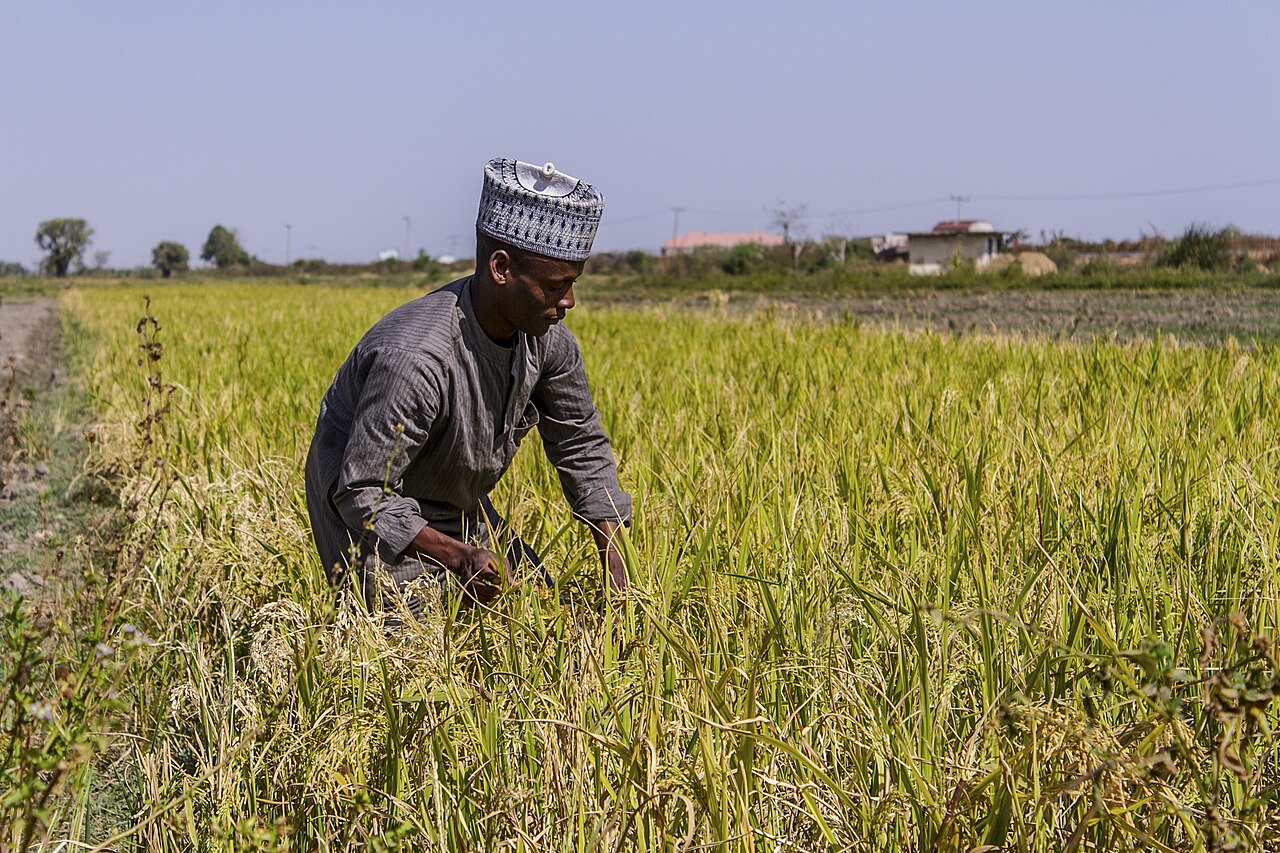
The service, Harmonized Fertilizer and Agronomy Advisory Solutions (HaFAS), is led by ICRISAT, the charity Self Help Africa and Ethiopia's Ministry of Agriculture. Unlike blanket recommendations, which ignore differences in soil fertility and crop needs, it gives advice specific to each crop and location. One of the farmers, Lydia Bakala in southern Ethiopia, has cut her fertilizer application by 67% since adopting it, which has substantially lowered her input costs.
ICRISAT links the urgency to disrupted global supply. The conflict in the Middle East and restrictions on shipping through the Strait of Hormuz, a key route for fertilizer trade, have exposed countries that depend on imported inputs. According to the World Trade Organization, international urea prices jumped from about US$400 to more than US$850 a metric ton in April 2026 before easing to around US$453 in June, and the International Food Policy Research Institute reported in September that phosphate markets remained under pressure.
Ethiopia's soils add a further problem: project information indicates that about 43% of them are acidic, which limits nutrient availability. ICRISAT's technical team, led by Dr Getachew Agegnhu and Abiro Tigabie, has trained Self Help Africa staff to deliver the recommendations, and farmer field days let communities see them in practice. At one in Asagirt, more than 270 farmers, experts and officials looked at wheat grown under site-specific advice. ICRISAT says the work covers teff, wheat, sorghum and maize.
ICRISAT Director General Dr Himanshu Pathak said the fertilizer crisis shows why farmers and countries need scientific tools that reduce their exposure to outside shocks, and Self Help Africa's country director, Dinkneh Asfaw, said the partnership has been central to turning recommendations into real benefits for farmers.
The WTO's analysis lists Kenya, Tanzania, Malawi and Mozambique among the African countries most exposed to disruption in nitrogen fertilizer supplies from the Gulf. Self Help Africa is exploring extending the advisory approach to some of them.
The release was issued by ICRISAT Communications.
Source: ICRISAT
Comments
(0)