
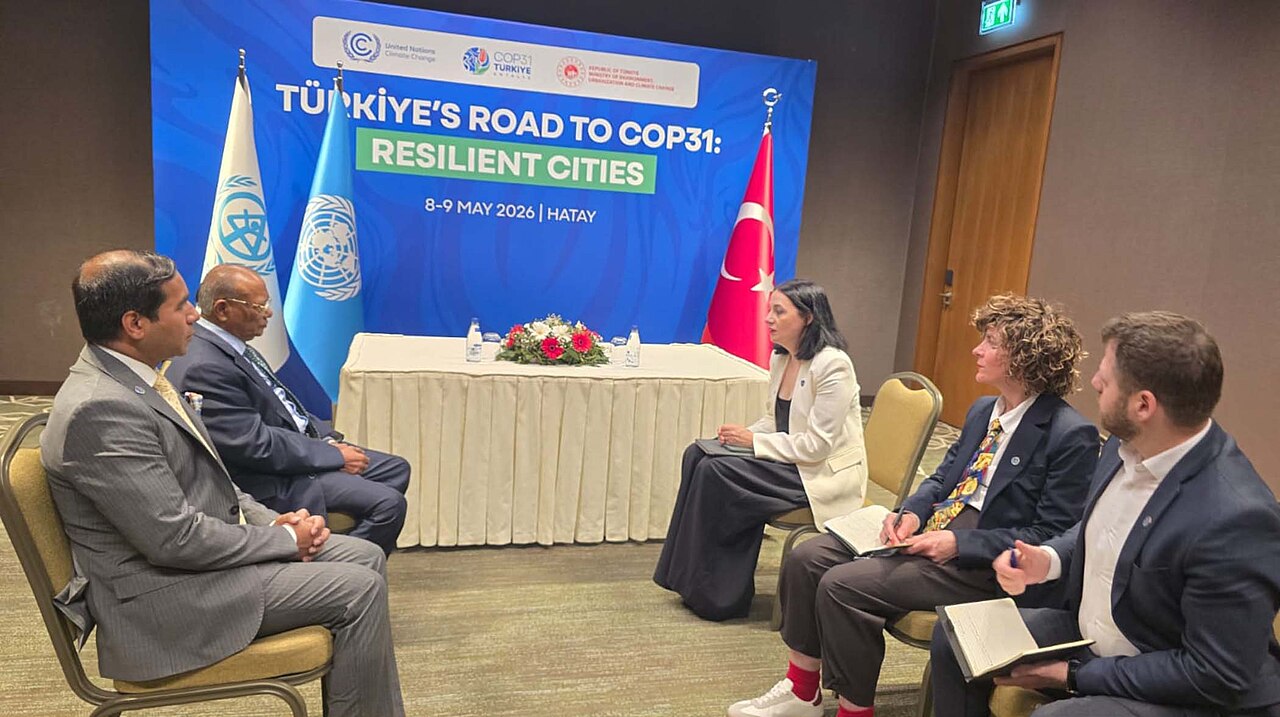
Tackling the impacts of El Nino now would cost half as much as waiting, Alexander De Croo, head of the UN Development Programme (UNDP), has said. In an interview with AFP on the sidelines of the COP31 climate conference in Antalya, Turkey, on Friday (13 November), he cited a new UNDP study published on 10 November: acting now would need $36 billion, while delay would raise the cost to $73 billion.
The choice is ours, De Croo said: to prepare early and help people, or to delay and carry the extra cost. He called on countries at the conference and large institutions such as the International Monetary Fund to come forward with finance so that the most vulnerable developing countries can reduce El Nino's effects. Such investment, he said, would save lives, protect crops and infrastructure and save money in the long run.
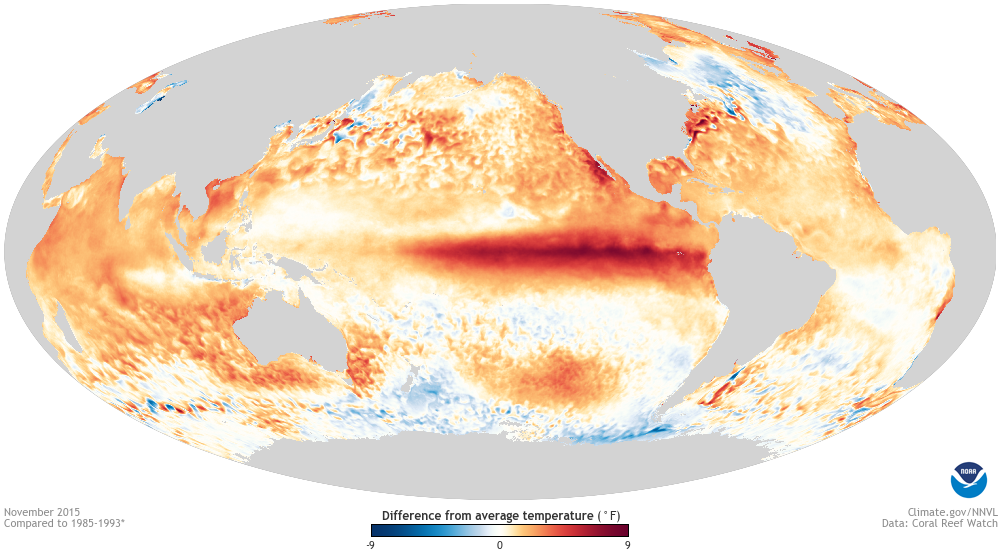
El Nino is a natural climate event that recurs every two to seven years. When waters in the Pacific Ocean warm, wind, air pressure and rainfall patterns change around the world over the following months. The latest El Nino cycle has become very strong, and how to pay for responses to it has been hotly debated at COP31.
According to the study, if El Nino pushes food prices in developing countries up 5 per cent in 2026 and no new policies are adopted, an additional 37 million people could fall below the poverty line, measured against the poverty line set for upper-middle-income countries. Drought, floods and extreme heat can disrupt food production, raising food prices and hurting livelihoods and incomes.
UNDP says that anticipatory support can deliver the same protection for 50 to 80 per cent of what aid after a disaster costs. Joint modelling by UNDP and the Organisation for Economic Co-operation and Development (OECD) found that more ambitious climate policies could make global GDP 3 per cent higher in 2050; counting the climate damage avoided, the benefit is worth about $6 trillion. Combined with targeted development policies and investment, they could lift an additional 175 million people out of extreme poverty by 2050.
This report is based on a story by The Daily Star's online desk, drawn from AFP reporting. The image maps sea surface temperature anomalies during the El Nino of November 2015.
Photo: NOAA / Wikimedia Commons (public domain)
Source: The Daily Star

Comments
(0)