
At an official side event of the COP31 climate talks in Antalya, Nigeria set out one of the most ambitious livestock growth plans in Africa and spoke openly about the climate questions it raises. The session was co-hosted by the International Livestock Research Institute (ILRI), the African Center for Technology Studies (ACTS), the Angel Support Foundation and Nigeria's Federal Ministry of Livestock Development.
Nigeria's National Livestock Growth Acceleration Strategy, a 10-year plan, aims to raise the sector's contribution to the economy from about USD 32 billion to USD 72 billion. The federal ministry is barely two years old, yet 22 states have already set up their own livestock ministries. The country has written livestock into its third nationally determined contribution (NDC) and, with the World Bank, has developed a national framework for measurement, reporting and verification (MRV).
The ministry did not hide the tension between growing the herd for food security and keeping emissions, especially methane, in check. Its answer was efficiency: better feed, health and genetics, so that each animal produces more milk or meat with less waste. Jennifer Chow, senior director for agriculture, water and food at the Environmental Defense Fund, pointed out that lower emissions per litre of milk are not the same as lower total emissions, and that the sector must be ready to show both.
Measurement ran through the session. Many low-income countries report livestock emissions with global default values built largely on data from intensive systems in high-income countries. Nigeria is replacing them with locally calculated values: Netzence Sustainability Limited and the ministry presented findings from the country's livestock methane baseline study, whose early data suggest some Nigerian systems emit more methane than the defaults assume. ILRI's Mazingira Centre found the opposite for another gas: cattle manure in Kenyan grazing systems emitted around 10 times less nitrous oxide than the defaults suggest, data that fed into the 2019 IPCC guidelines.
ILRI's account of the event argues that farmers change practices for income, not for emissions alone, and that better feed, health and genetics can cut emissions intensity by up to 30 percent while raising output. It cites the World Organisation for Animal Health's figure that livestock disease wipes out more than 20 percent of global animal production every year; a thermotolerant vaccine against peste des petits ruminants (PPR), developed by ILRI with Hester Biosciences and Mali's Central Veterinary Laboratory, which stays stable for up to nine days; and a method developed in Nigeria by ILRI and partners that turns cassava peels into a feed ingredient within hours, cutting the costly maize in animal feed.
Finance is the gap. A World Bank estimate puts livestock's share of climate development finance at 0.1 percent. Panellists said grants, concessional loans and results-based payments, including carbon markets under Article 6 of the Paris Agreement, each have a role, but a pastoralist buying feed or vaccines needs a very small loan, and for rural women without land or collateral grants and village savings and loan associations are a better start than credit. Livestock master plans, developed with ILRI support in more than 13 countries including Nigeria, have helped governments build costed investment cases; in Tanzania the plan helped secure USD 624 million in proposed investment.
Speakers also called for advice in local languages, such as a service in Kenya that sends climate information by WhatsApp and SMS, a chatbot designed and led by young women that answers farmers' climate questions in Swahili and a local language, and Kenya's iCow platform with breeding and feeding tips. ILRI notes that the average Nigerian has access to about 7 kg of meat a year, against about 120 kg for the average American. COP31 is due to conclude the Sharm el-Sheikh joint work on agriculture and food security, and ILRI hopes for a clear future for agriculture under the UNFCCC, climate finance that reaches producers and support for national MRV systems. The analysis was written by Anne-Marie Schryer-Roy, with Laura Cramer as contributor.
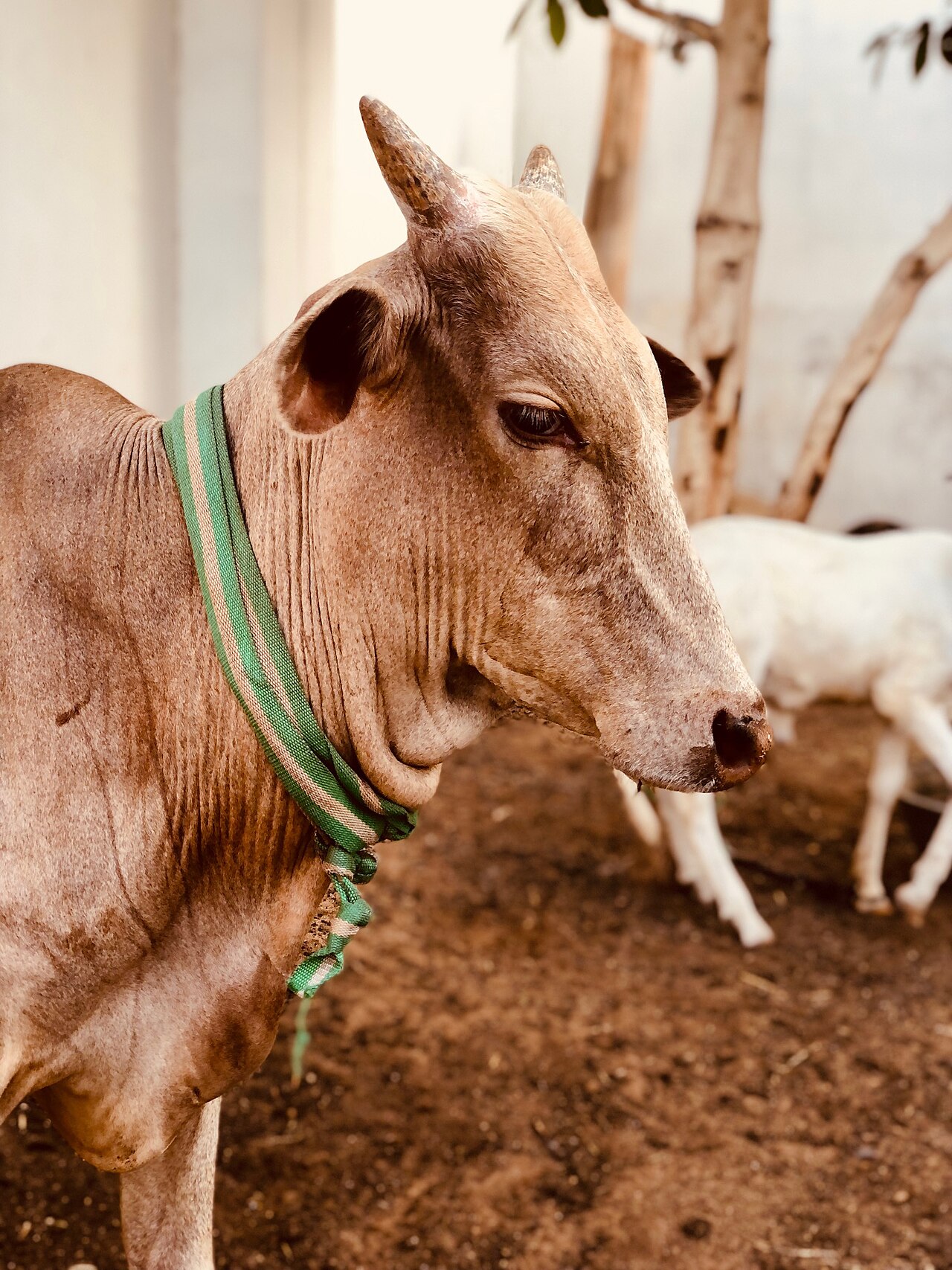
Photo: Mr.Eid&min / Wikimedia Commons (CC BY-SA 4.0)
Source: ILRI
Comments
(0)