
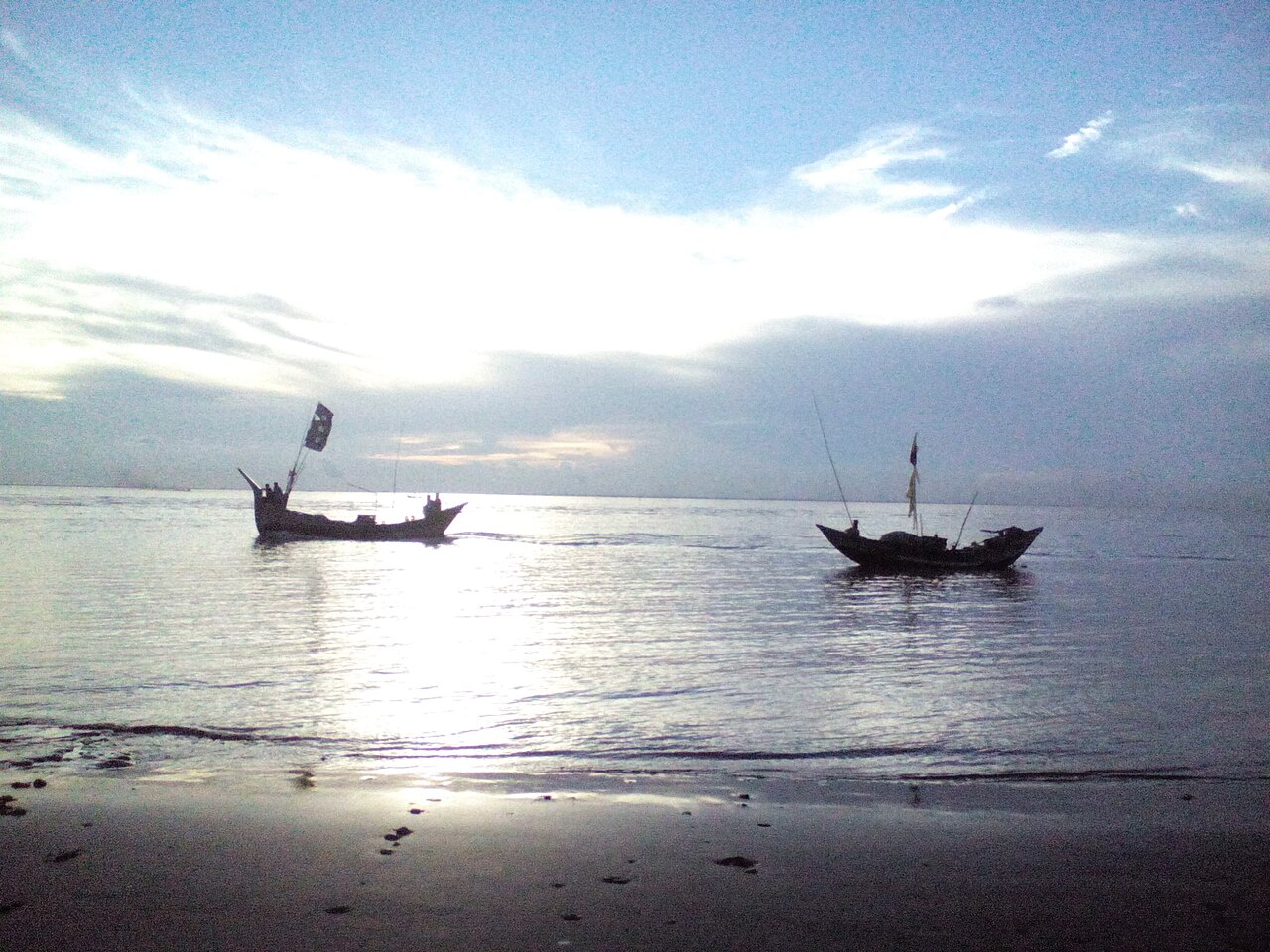
Fifty-six years after the cyclone of 12 November 1970, people on Bhola's coast still carry the wounds of that night, and their safety is still not assured. For lack of enough permanent, durable embankments, hundreds of thousands remain exposed to river erosion and storm surges.
According to the Bangladesh Water Development Board, Bhola has 351 km of flood-control embankments. Only 99 km are permanent, geo-bags have been dumped along 149 km, and the remaining 103 km are old, narrow, low and at risk. Whenever rivers rise in the monsoon, fear of fresh erosion and surges returns. Mohammad Ziauddin Arif, executive engineer of the board's Division-1, said basic defences against cyclones and floods are now in place.
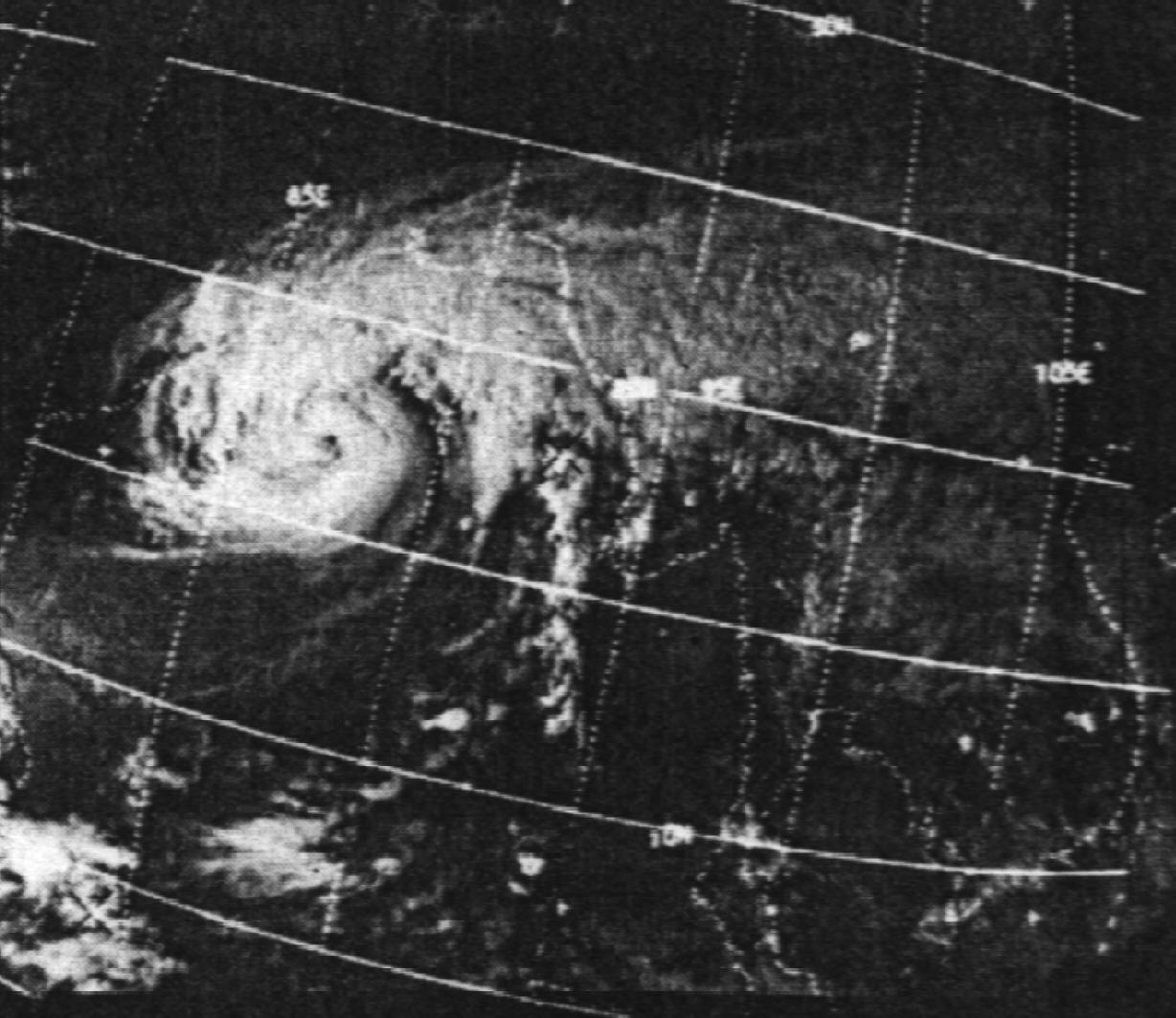
That night a cyclone from the Bay of Bengal, known locally as "Gorki", drove a surge 15 to 25 feet high across Bhola. Monpura, Char Nizam, Dhalchar, Kukri-Mukri and much of the coast became a land of the dead, and Ramgati, Hatiya and Sandwip in Noakhali and parts of Patuakhali were devastated. Officially about 500,000 people died; unofficial counts put it above one million. The UN World Meteorological Organization ranks it among the deadliest cyclones in history.
There were few shelters and no strong embankments then. Many climbed trees to survive but were overwhelmed by the surge, and homes, cattle and fields were swept away. Bhola's centenarian journalist M Abu Taher recalls seeing bodies of snakes and people tangled together at Chowkighata in Daulatkhan, and the dead buried several to a grave, wrapped in banana leaves or jute sacking for want of shrouds.
Every 12 November brings back the grief, and a question: how safe would the coast be if such a storm struck again? Residents demand enough shelters on vulnerable chars, stronger embankments, effective early warnings and disaster preparedness, rather than keeping the memory to commemorations alone.
The report was filed by Nagorik TV's Bhola correspondent Md Bellal Nafiz.
Photo: Aziz rupu / Wikimedia Commons (CC BY-SA 4.0)
Source: Nagorik TV


Comments
(0)