
Writing in Ajker Patrika as COP31 meets in Antalya, columnist Aminul Islam Hero argues that the question for Bangladesh is not how many pledges it collects but how much of the money actually reaches people hit by climate change. The views are the writer's own.
Cyclones, floods, river erosion, coastal salinity, drought and heatwaves, he writes, now threaten farming, food security and livelihoods directly. Salinity in the south-west is cutting crop output and drinking water, cyclones and surges on the coast damage homes and farmland, and in the north drought, erratic rain and heat make harvests uncertain. Yet, as the prime minister told the UN, Bangladesh accounts for less than 0.5 per cent of global greenhouse gas emissions.
Climate finance, in his view, is therefore not a plea for aid but a matter of justice and accountability: it is not fair for Bangladesh to take on new debt to deal with a crisis it did little to cause. He calls for grant-based finance for adaptation and loss and damage, on easy terms and with quick disbursement, instead of loans.
To show the gap he cites UNEP's 2026 Adaptation Gap Report: developing countries may need about US$305 billion a year for adaptation by 2035, while international public adaptation finance from developed countries in 2024 was only US$28.2-31.7 billion. Implementing Bangladesh's National Adaptation Plan (2023-2050) needs an estimated US$230 billion over 27 years, more than domestic resources alone can cover.
Much of the column, though, is about weaknesses at home. Decisions on where embankments need repair, where drinking water is needed and where to expand salt- or drought-tolerant crops must rest on local conditions and scientific data, he writes. He calls for publishing project allocations, spending, progress and beneficiaries, independent evaluation, vigilance against waste and corruption, and the involvement of farmers, fishers, women and affected communities from planning to delivery.
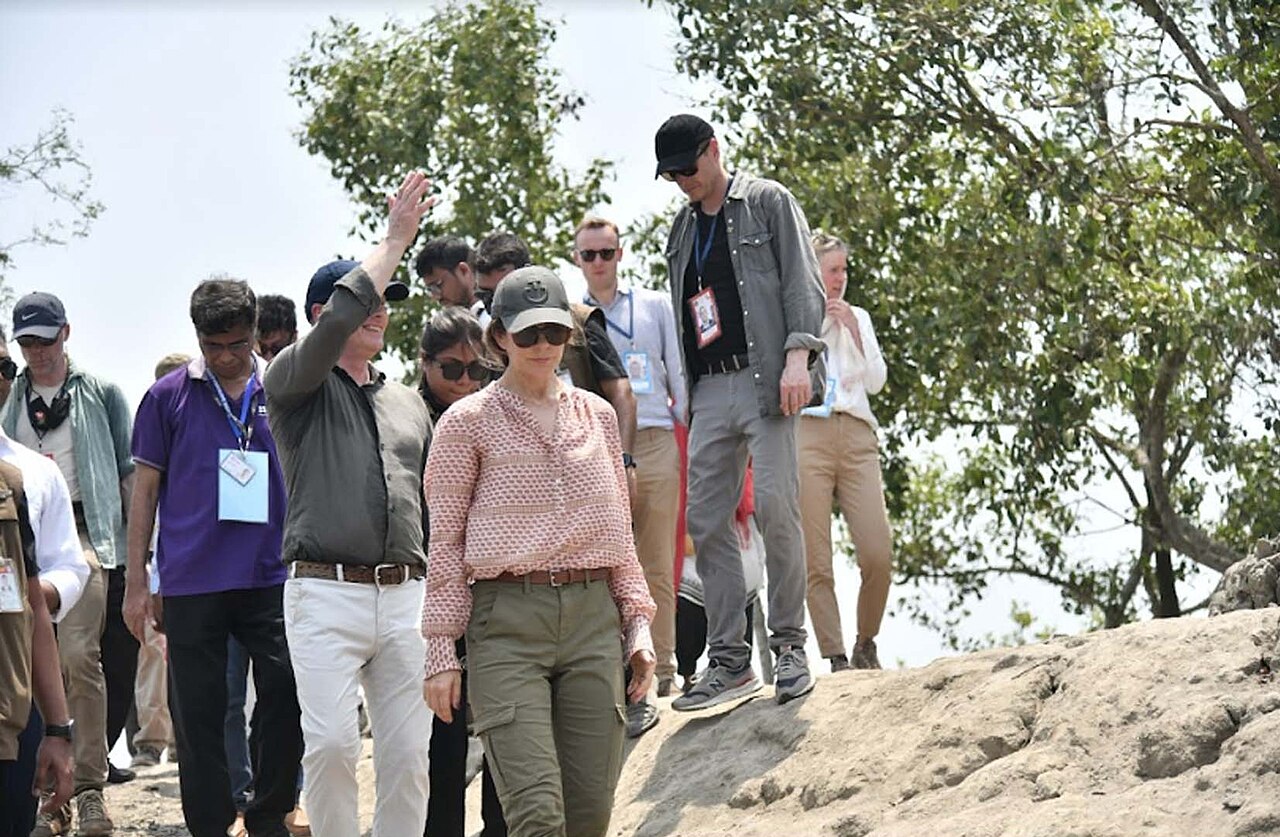
He also lists Bangladesh's own preparedness: early warnings, shelters, regular maintenance of embankments, sustainable farming, drinking water and more renewable energy, with agriculture, fisheries, water and urban management brought under one plan. "What Bangladesh needs now is not a tally of promises but a tally of real gains and effective progress," he concludes. The photograph shows the flood-damaged Kulatoli embankment in Shyamnagar, Satkhira, in 2022, during a visit by Denmark's crown princess.
Photo: Press Information Department / Wikimedia Commons (public domain)
Source: Ajker Patrika

Comments
(0)