
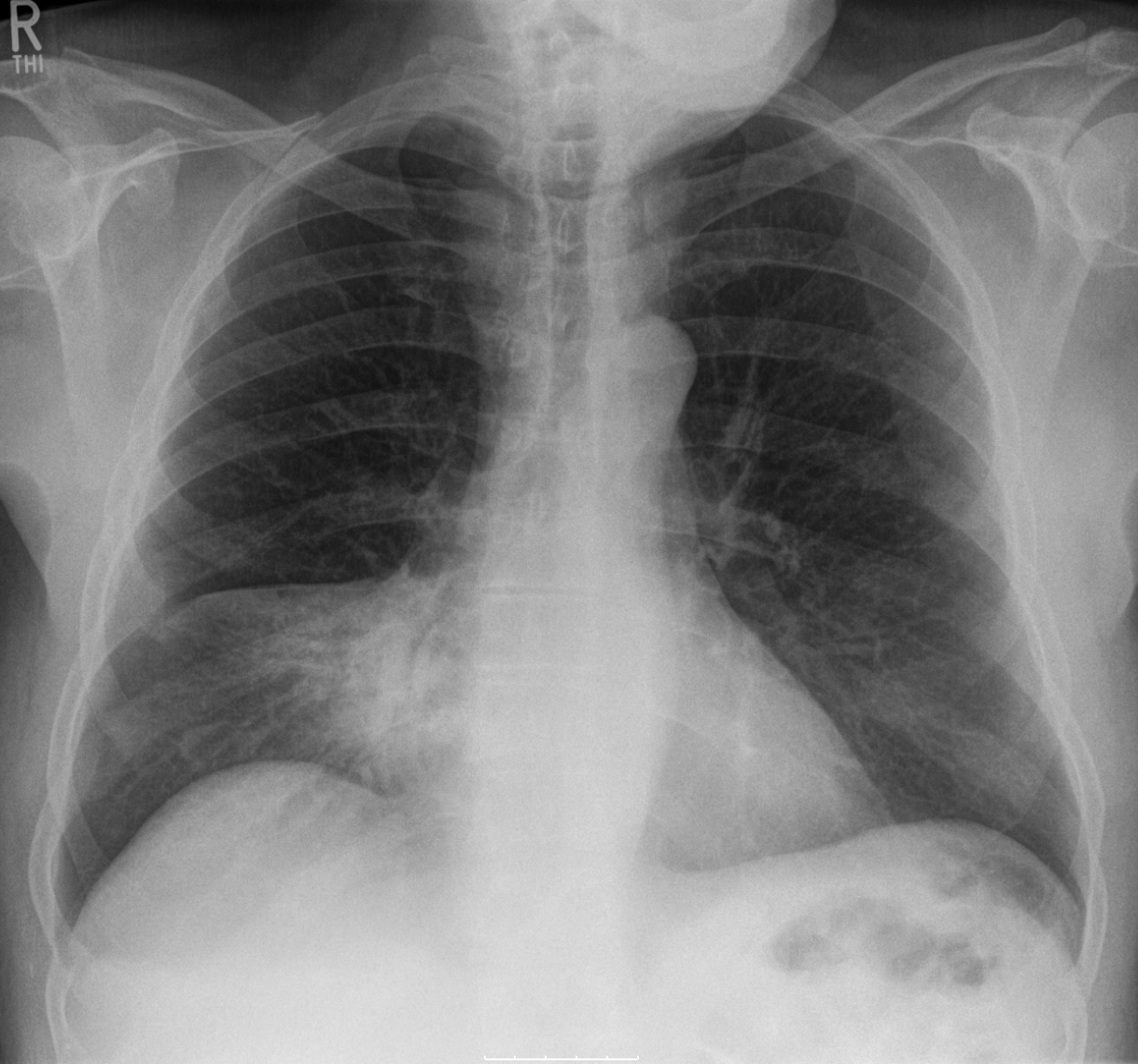
In a column for Dhaka Post on World Pneumonia Day (12 November), physician and public-health specialist Dr Lelin Chowdhury writes that most deaths from pneumonia can be prevented. The views are the writer's own.
He notes that 2.5 million people died of pneumonia worldwide in 2023, and that every year it kills about 700,000 children under five and about 1.1 million people over 70. This year's theme is "A New Era of Pneumonia Control". As he reads it, the message has three parts: put prevention first by investing in better vaccines, balanced nutrition and clean air; test and start the right treatment as soon as symptoms appear; and narrow inequality in care by getting vaccines, treatment and information quickly to remote areas.
Pneumonia, the column explains, is an infection of the lungs caused by bacteria, viruses or fungi. It usually begins with fever and cough, followed by a worsening cough, fever with shivering, breathlessness and fast breathing, chest pain on deep breaths, fatigue and loss of appetite. Young children and older people are most at risk, as are people with weak immunity, the malnourished, smokers, people with lung or heart disease or diabetes, and those who spend long hours in smoky or polluted air indoors or out.
For prevention he puts vaccines first: pneumococcal, Hib, measles, whooping cough and flu vaccines greatly reduce the risk. He also advises exclusive breastfeeding for a baby's first six months and balanced food after that, less smoke indoors, avoiding smoking, handwashing and covering the mouth when coughing or sneezing.
His warning on treatment is blunt. Better antibiotics, antifungal drugs and good diagnostic tests are now available in Bangladesh, but pneumonia must not be treated on one's own, on a pharmacy seller's advice, or by consulting AI or Google; doing so, he writes, is close to suicide. A doctor should be seen at the first symptoms, and for children and older patients this is a rule to be followed without exception.
With vaccines, better diagnosis, correct treatment and awareness working together, he concludes, most patients can recover rather than die. In his words, this year's central message is that "every breath has value, and trying to prevent every death is our responsibility".
Photo: Hellerhoff / Wikimedia Commons (CC BY-SA 3.0)
Source: Dhaka Post


Comments
(0)