
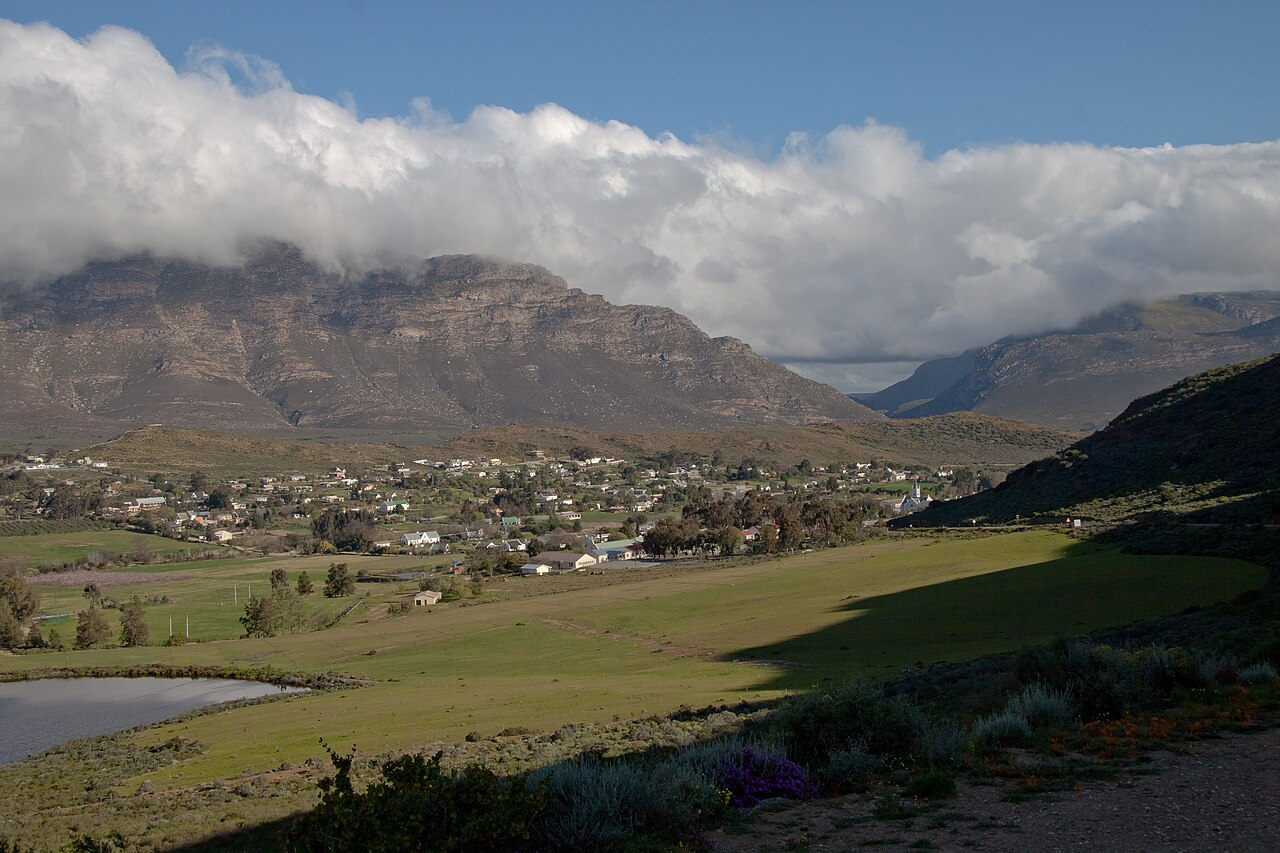
Saving irrigation water often starts with a spade, according to three specialists who spoke at the Barrydale in Bloom Technical Agricultural Day on 6 November at the Karoo Art Hotel in Barrydale, Western Cape. Restoration ecologist Shelly Fuller and soil scientists Bennie Diedericks and Dr Pieter Raath set out how healthier soil, working ecosystems and careful irrigation can give farmers more crop from every drop.
Fuller said regenerative farming need not be complicated or costly and can start with what a farm already has. Clearing water-hungry invasive alien trees from rivers and catchments can leave more water and less fuel for fires. On the farm, cover crops and mulch cut evaporation, help water soak in and moderate the temperature around plants. Practices must suit the place, she said: what works in Stellenbosch may need changing in the drier Karoo, where plants compete for moisture. "It's about using what's around you, and what's possible in your context," she said, and advised small trials and sharing results with neighbours before wider changes.
Diedericks spoke of crop diversity, keeping the soil covered, keeping living roots in the ground and bringing in animals where they fit, not only cattle and sheep but chickens and bees, which can manage vegetation, help pollination, feed the soil and earn money from meat, eggs or honey. Winter cover crops leave material on the surface that limits evaporation in summer, but where water is short they may mean changing irrigation.
Raath started with two questions: how much water is available, and how productively it is used. Growers, he said, should know how much water goes into a kilogram of crop and what that kilogram earns. Leaking pipes, blocked drippers and faulty sprinklers leave some trees dry and others waterlogged, and running the system longer to fix dry patches only wastes more. When and how much to irrigate should follow soil moisture, weather and the tree's growth stage, not a fixed routine.
Sensors help, Raath said, but readings should be checked in the field. Digging shows where the roots are and whether water reaches the active root zone, drains past it or waterlogs deeper layers. In a severe shortage, farmers may have to rank orchard blocks by productivity and profit and water the best first, and can reduce demand within blocks by adjusting crop load and limiting excess leafy growth.
Photo: Winfried Bruenken / Wikimedia Commons (CC BY-SA 3.0). The picture shows Barrydale.
Source: Farmers Weekly South Africa

Comments
(0)