
 Health
Vaccines are for adults too: flu, pneumonia, hepatitis, HPV and tetanus
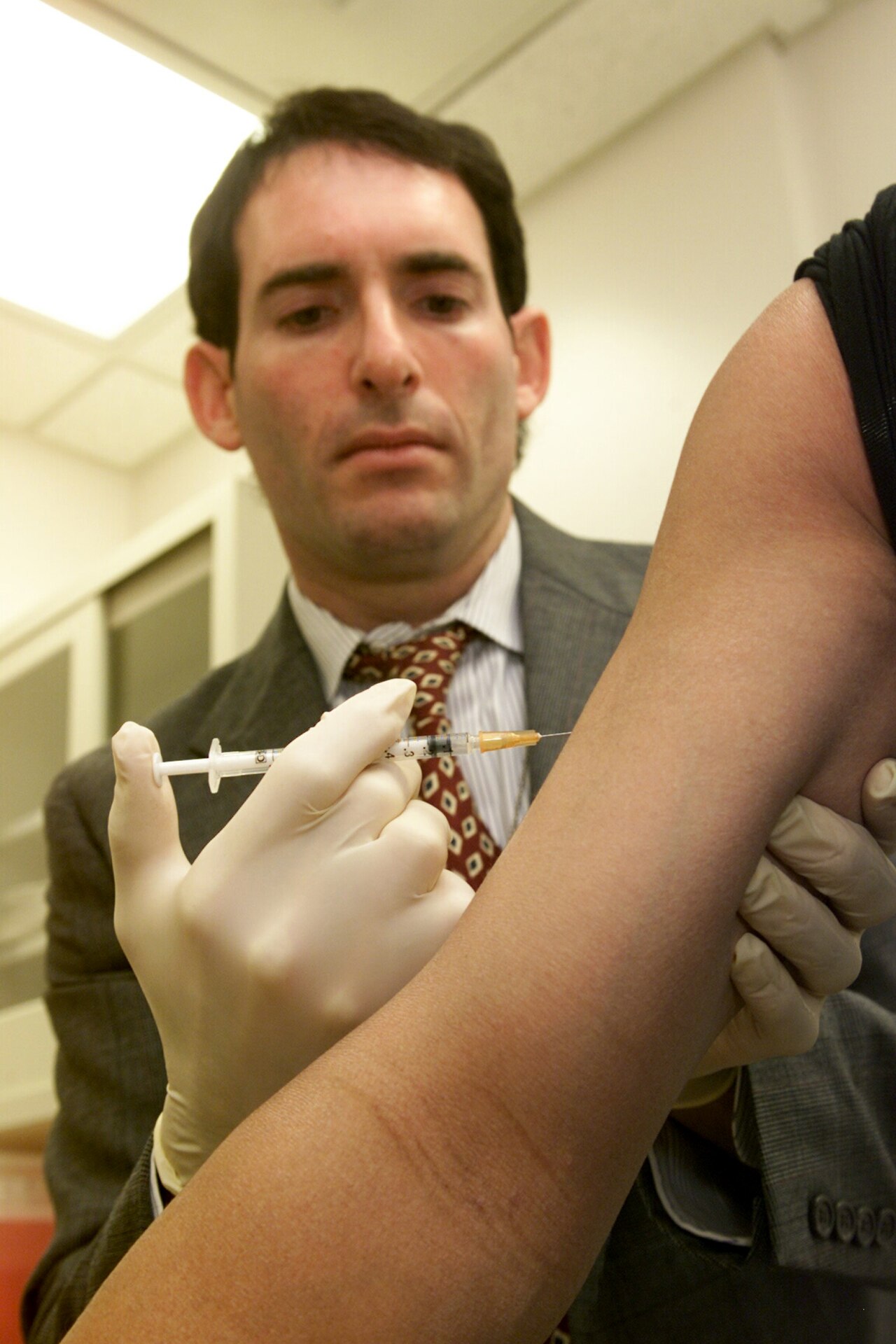
Age, long-term illness and some medicines weaken immunity, so adults may need flu, pneumonia, hepatitis B, HPV and tetanus vaccines, Dr Shahnur Sharmin writes.
HealthAge, long-term illness and some medicines weaken immunity, so adults may need flu, pneumonia, hepatitis B, HPV and tetanus vaccines, Dr Shahnur Sharmin writes.
Livestock SA has written to the state's health minister seeking subsidised Q fever testing and vaccination, saying cost should not stop those most exposed from being protected.
 Health
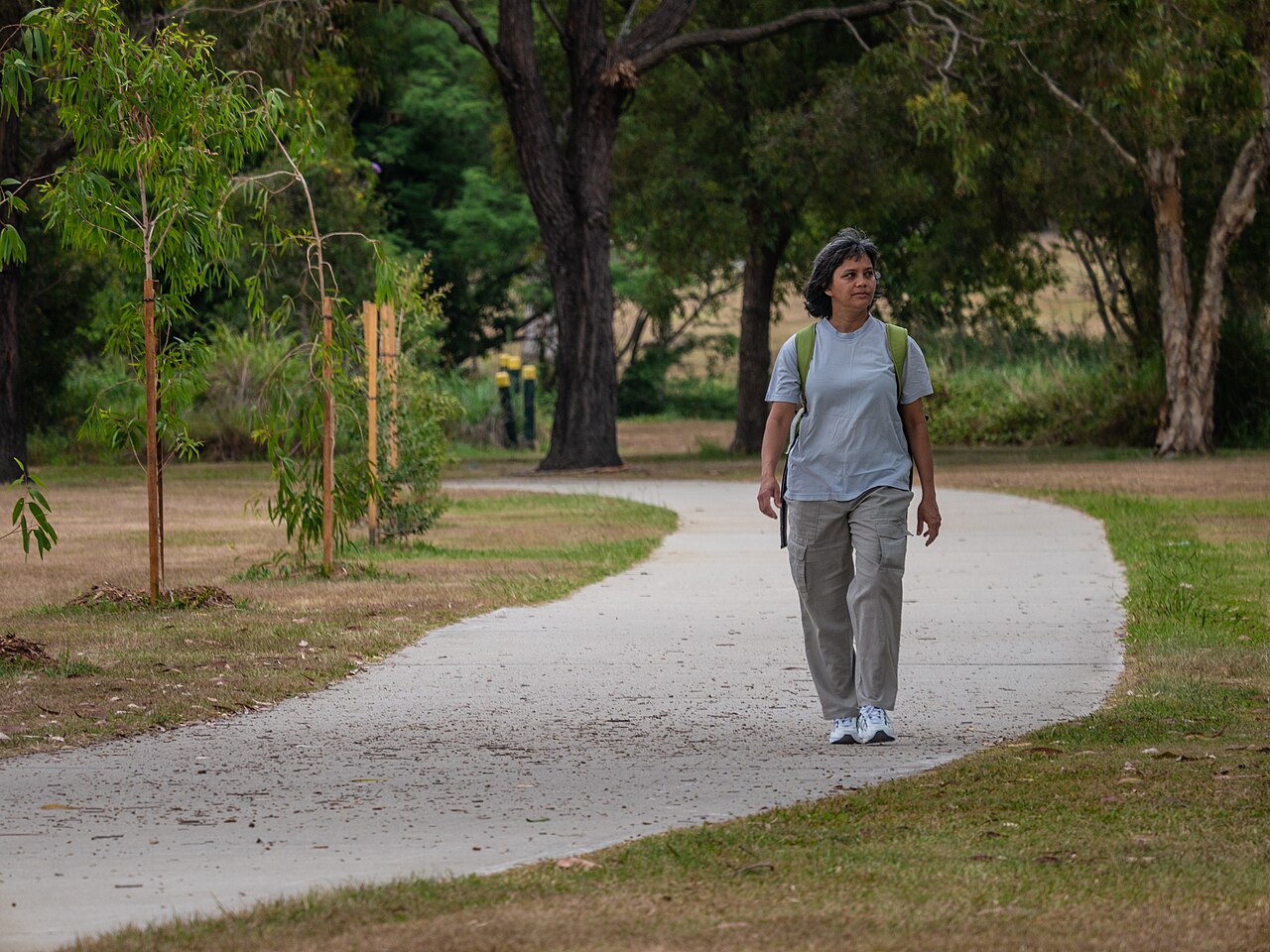
A Lancet Public Health review of 57 studies linked 7,000 daily steps, against 2,000, with a 47% lower risk of early death, and a separate study found walking pace matters too.
 Health
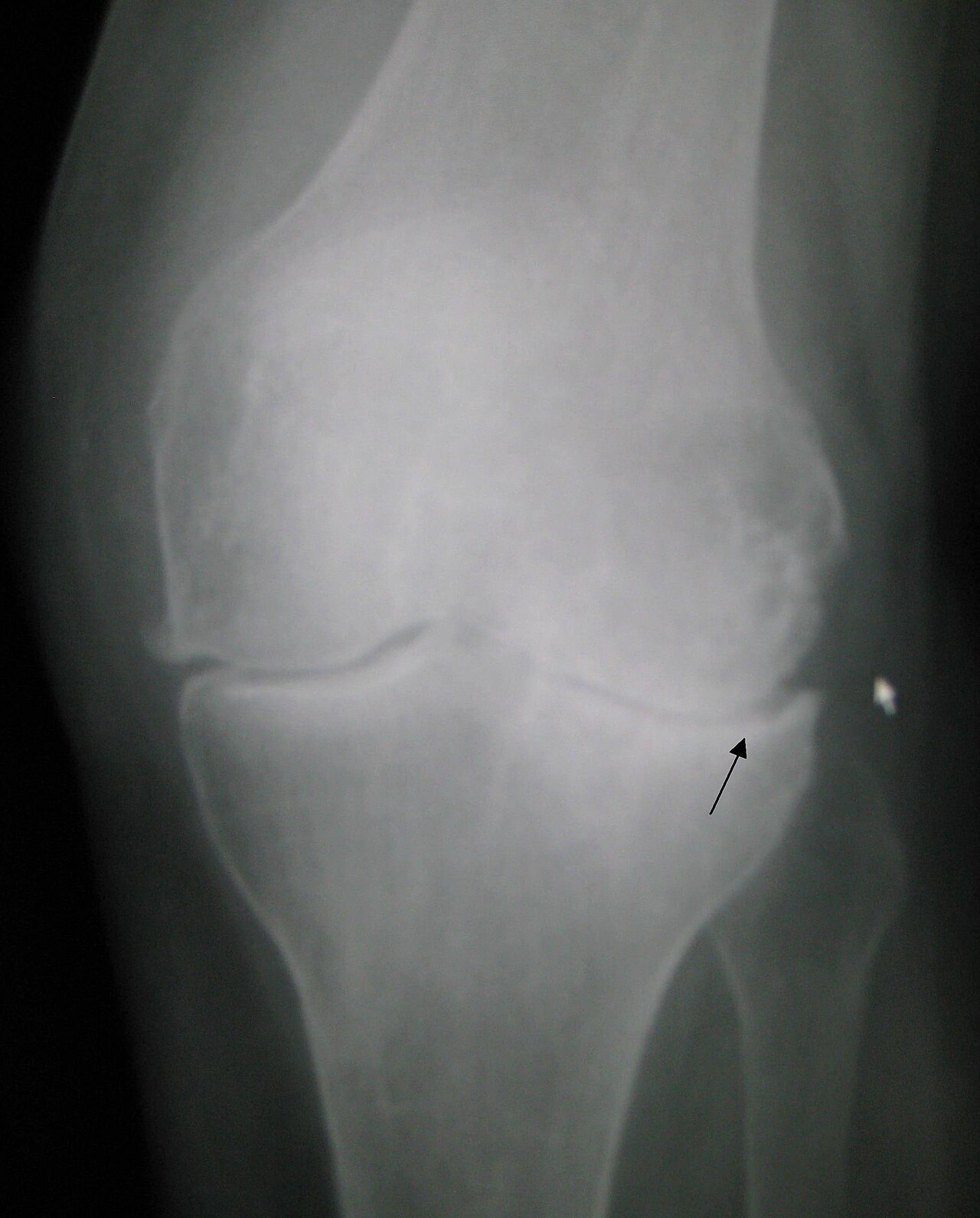
On World Arthritis Day, Desh Rupantor cites a 2020 study finding musculoskeletal problems in 30.4% of Bangladeshi adults, with knee osteoarthritis in about one in 14.
 Vegetables
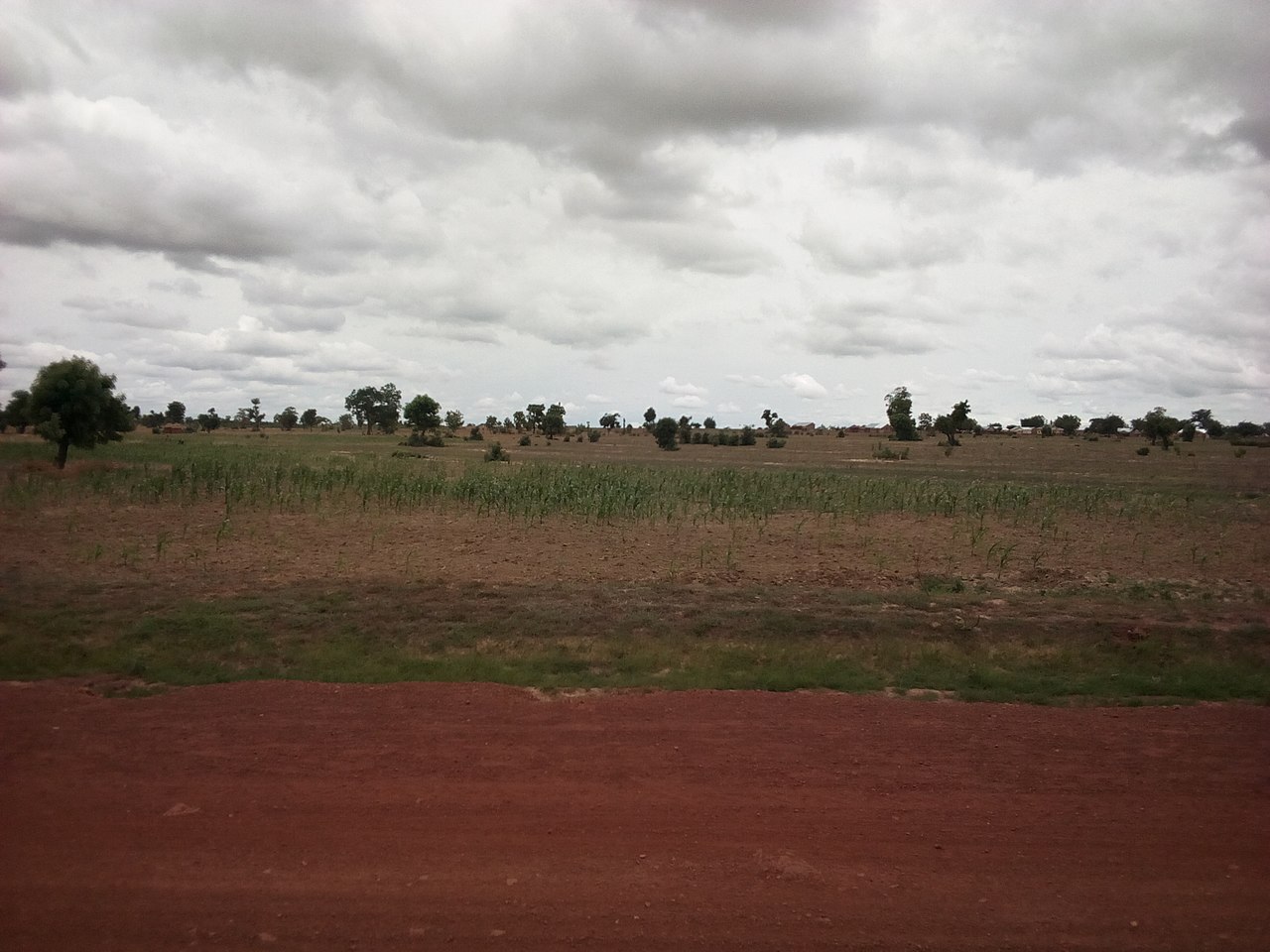
A CABI PlantwisePlus campaign in Ghana's Ahafo Ano North District used local-language videos and open community discussions to tackle the misuse of highly hazardous pesticides on tomatoes and other vegetables, reaching 635 people in eight dialogues.
 Health
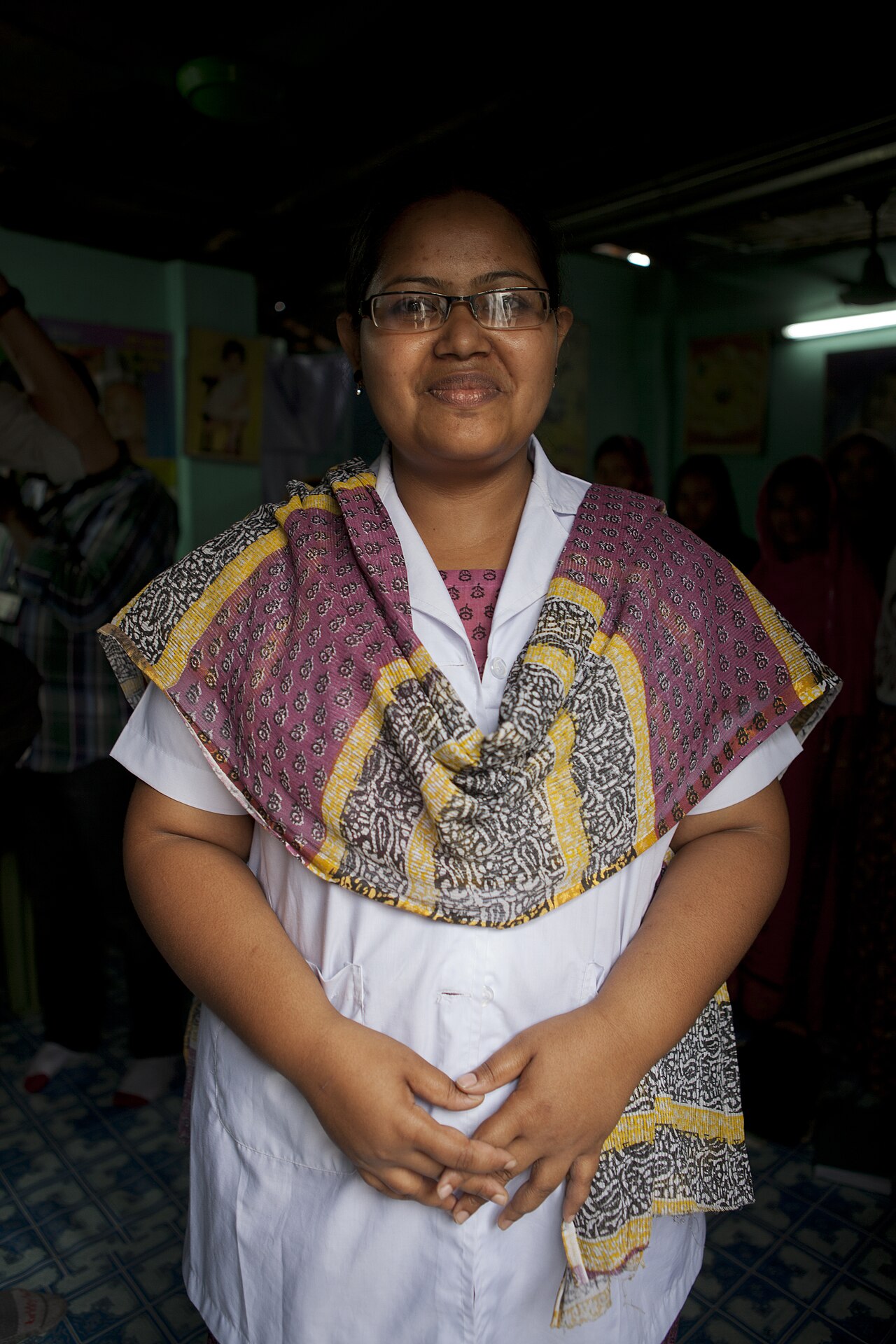
At a ministerial round table in Berlin, Health Minister Sardar Md Sakhawat Hossain repeated the pledge to raise health spending gradually to 5 per cent of GDP and hire 25,000 midwives into the public system within a few years.
 Crops
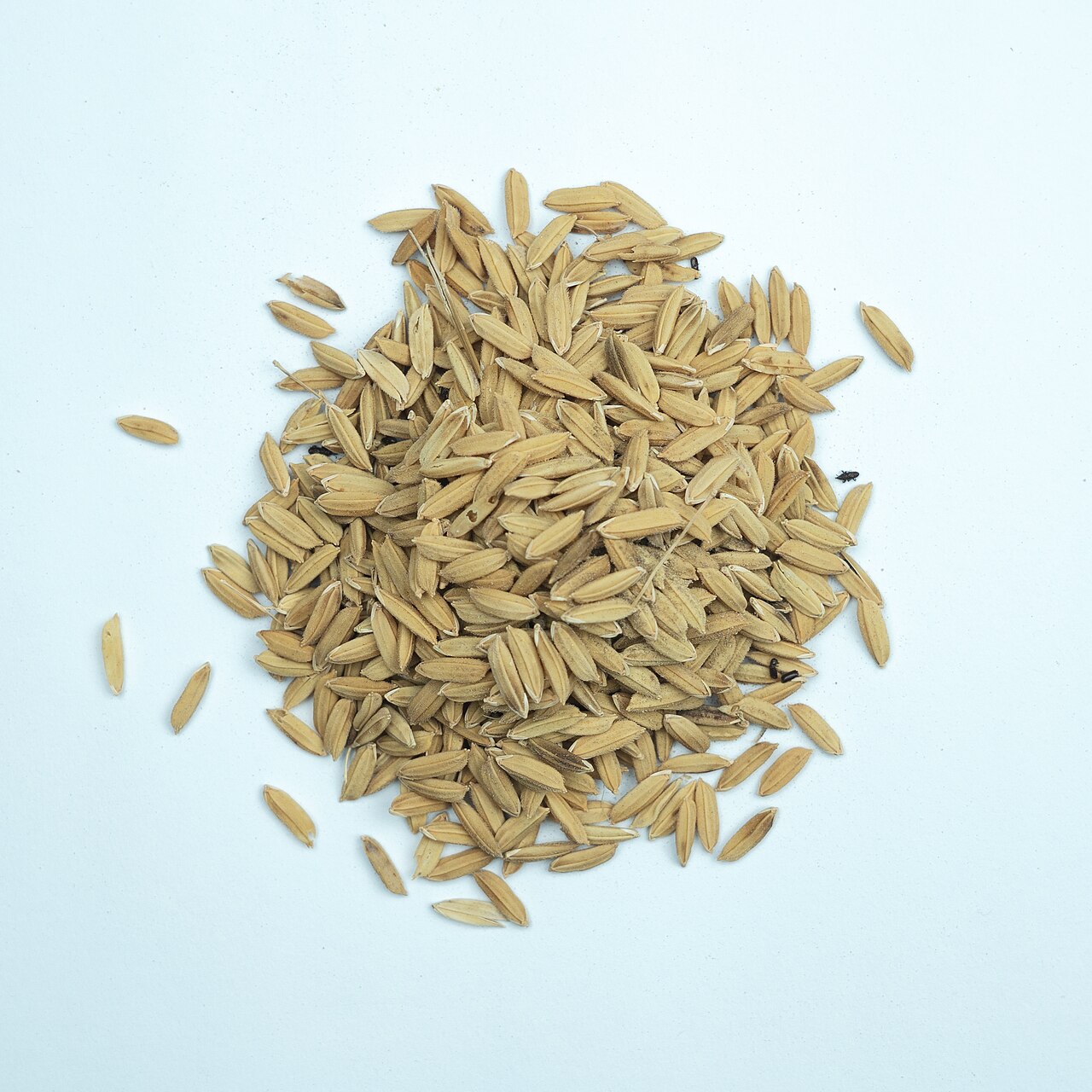
Intensive farming, climate change and depleted soils are raising the risk that food grains carry fewer nutrients, a BSS special report says, leaving people short of zinc, iron and protein even when they eat enough.
 Health
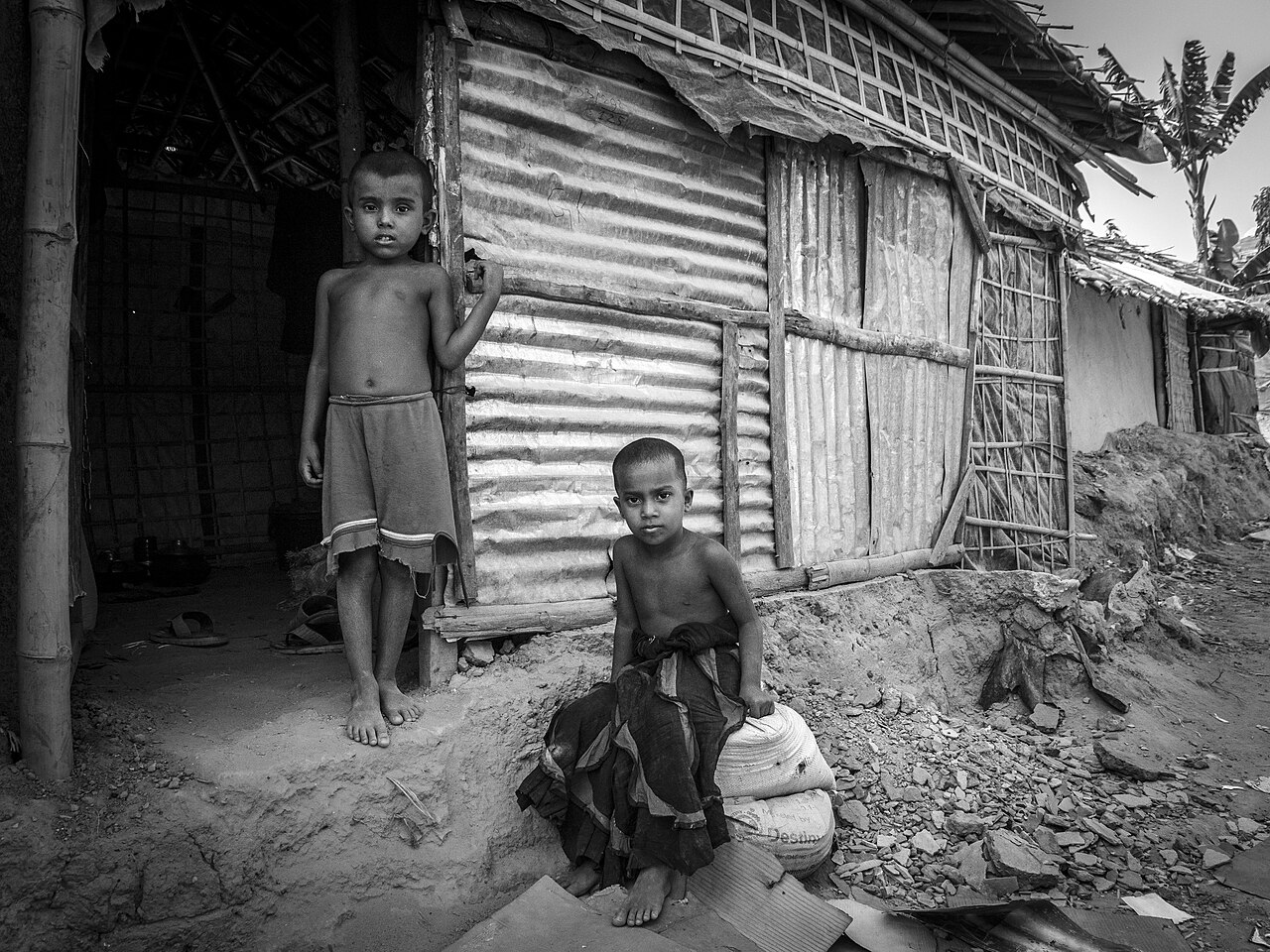
At least 624,000 children in the Cox's Bazar and Bhasan Char camps need urgent aid. UNICEF screened 169,700 children up to June and treated 6,800 for severe malnutrition, while the WHO-led health sector is 64 percent short of funds.
 Health
The government will repurpose money from a 2021 European Investment Bank Covid loan to reach about 47 million women and girls, with early detection of cervical and breast cancer and stronger district hospitals, it told partners in Berlin.
 Health
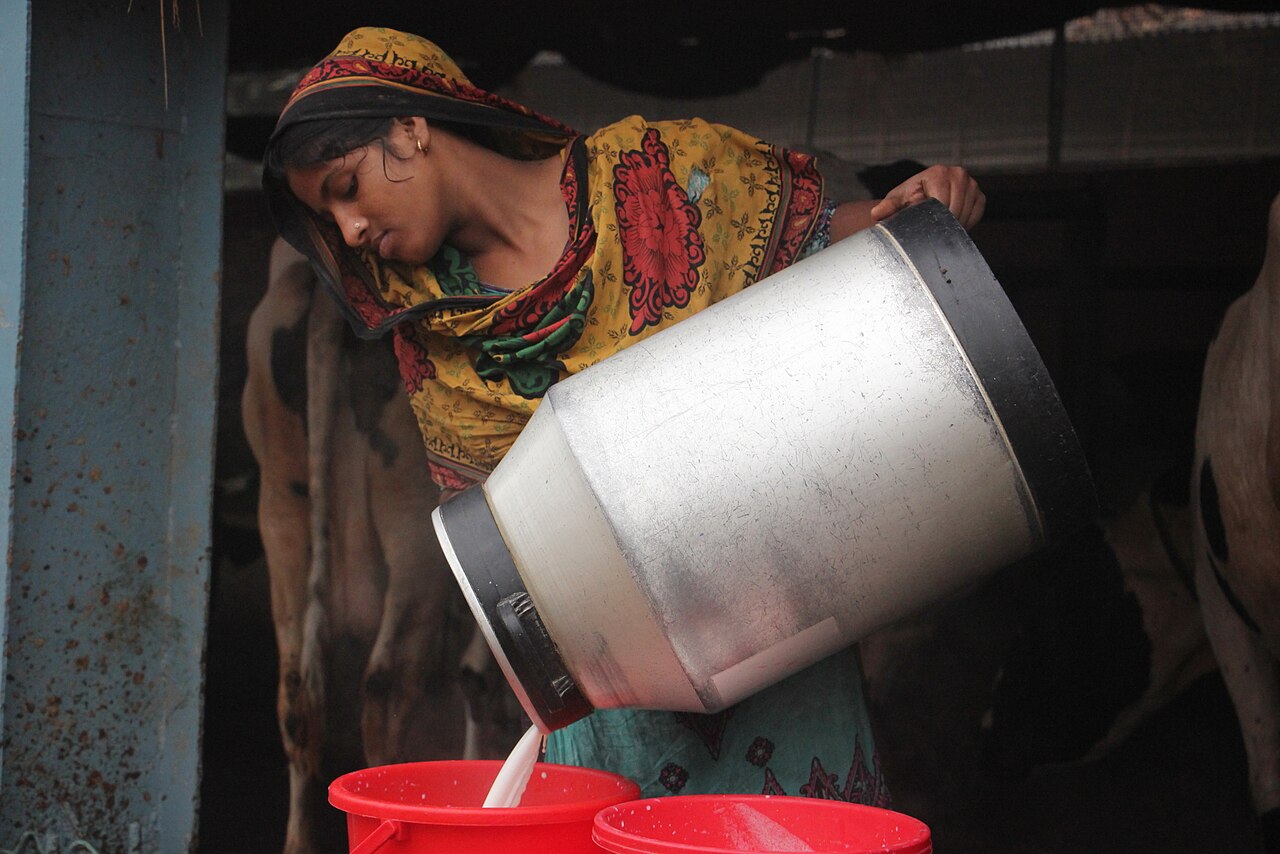
Posing as a free health camp, consumer-protection officials in Faridpur upazila, Pabna, caught one business adding a chemical to milk and a dairy making fake milk from jelly and cooking oil.
 Health
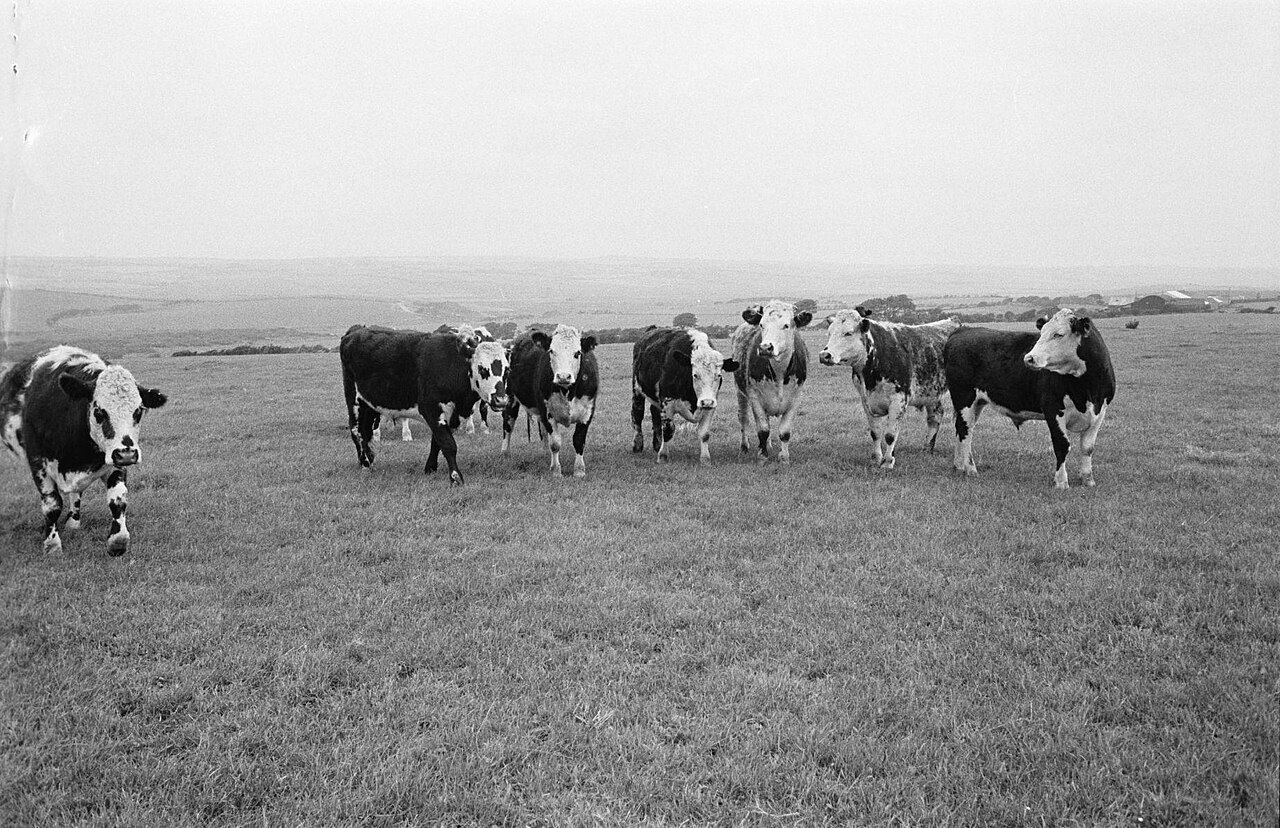
On World Mental Health Day the DPJ Foundation's Kate Miles said drought, wildfires and bluetongue have piled pressure on farmers and asked them to take stock and seek support before winter.
 Health
The 500-bed hospital holds 1,300 to 1,400 inpatients a day while 88 of its 218 doctor posts are vacant, and with the MRI and CT scanner broken, patients pay for tests at private centres.
 Environment
The old courses of the Barahi, Swaramangala and Daya rivers through Rajshahi are now drains carrying untreated hospital, industrial and household waste into the Baranai, where fish have died and riverside residents report skin disease; a treatment plant is still at the planning stage.
 Opinion
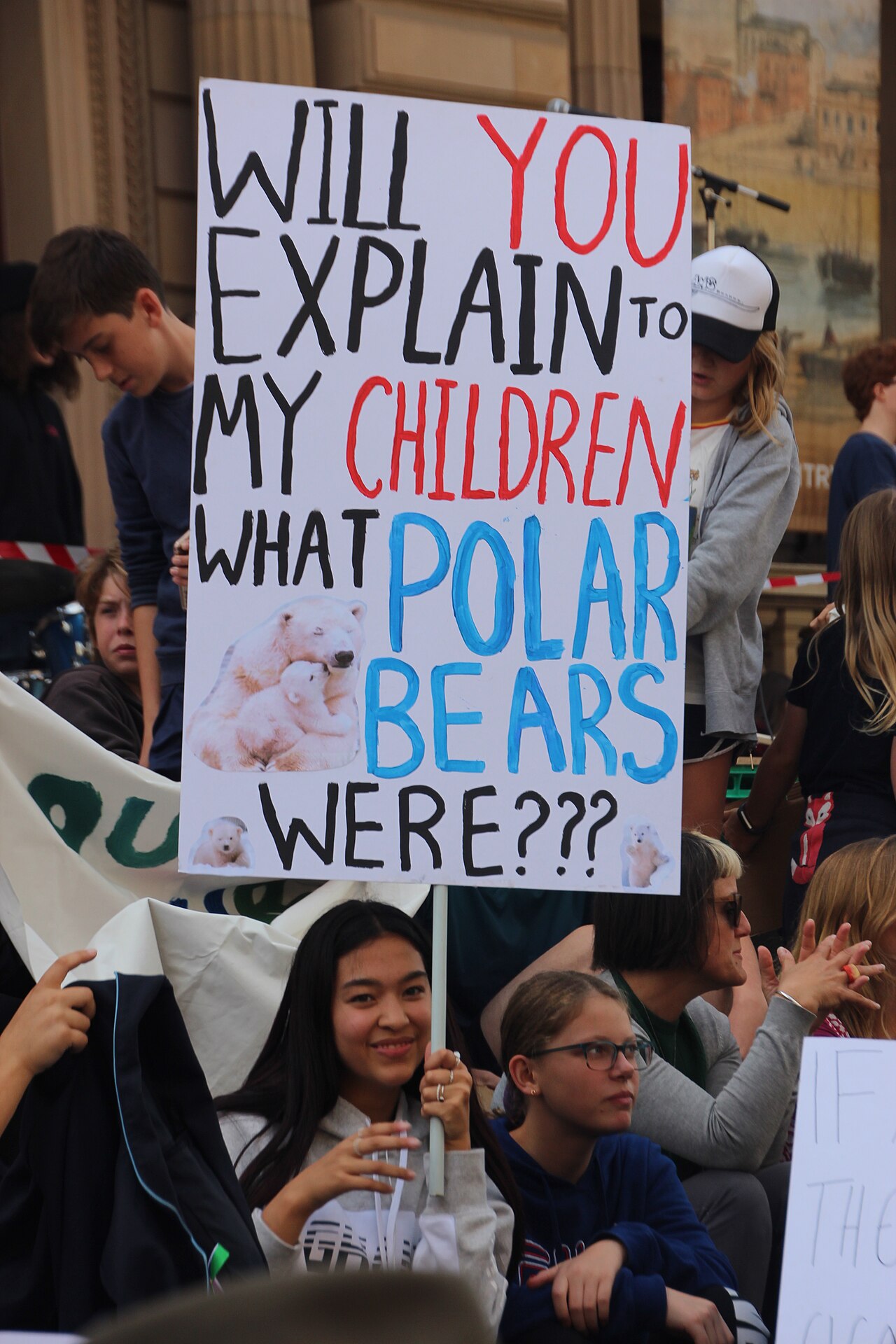
In a column, Shruti Sharma of TERI School of Advanced Studies argues that climate change is eroding people's sense of a certain future, that the burden falls hardest on those with the fewest resources, and that resilient minds belong in climate planning.
 Health
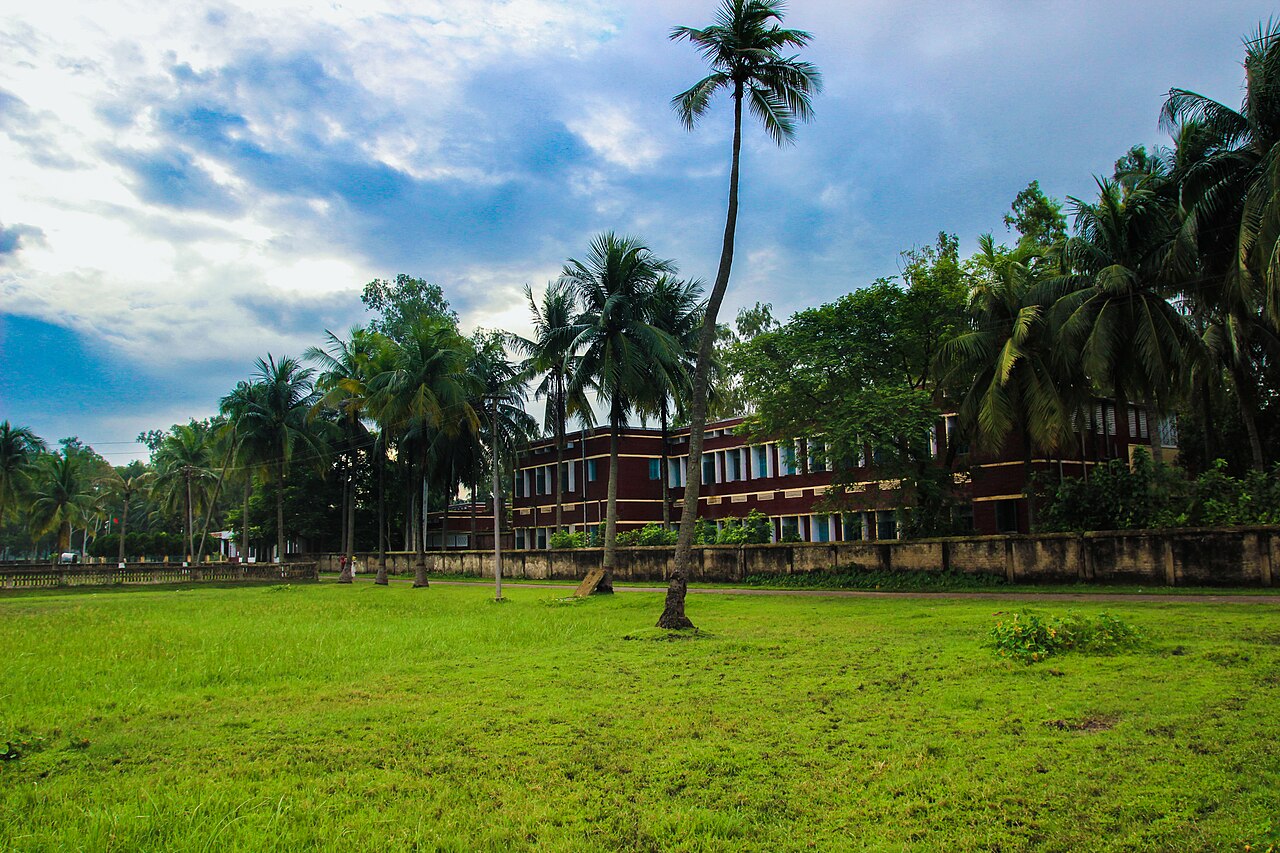
Pabna Mental Hospital, founded in 1957 and now with 500 beds, sees 100 to 150 outpatients a day but has nowhere for patients and relatives to sit or rest; the hospital says a dormitory for families is planned as part of an upgrade.
 Health
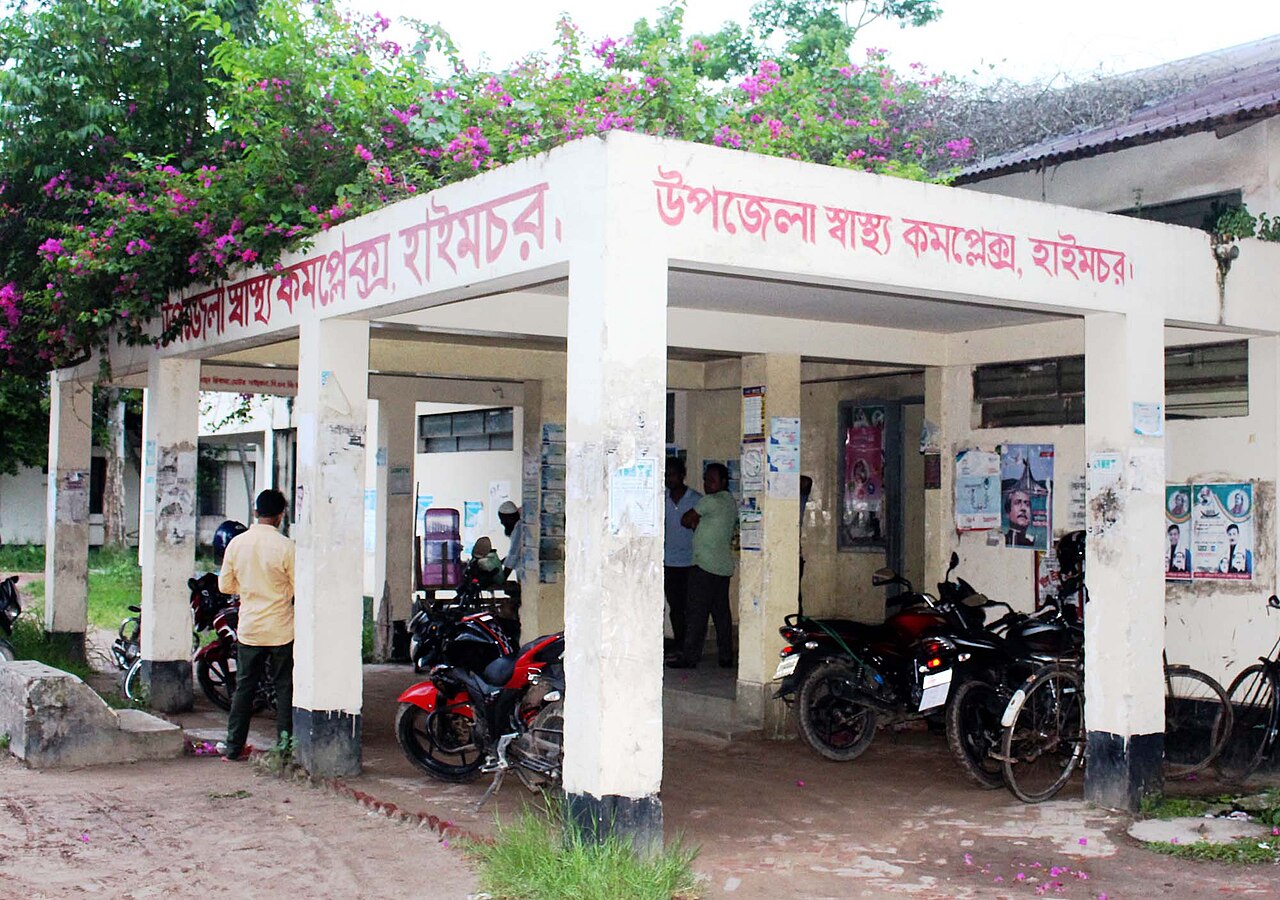
The only government hospital for about 144,000 people in Chandpur's Haimchar upazila has 56 of 131 posts vacant, no consultant, no operating theatre, X-ray or ultrasound, and an upgrade from 31 to 50 beds begun in 2019 is still unfinished.
 Health
On Breast Cancer Awareness Day, specialists say breast cancer is the most commonly diagnosed cancer among Bangladeshi women, with about 12,764 new cases and 6,844 deaths a year according to IARC, and call for a national screening policy.
 Health
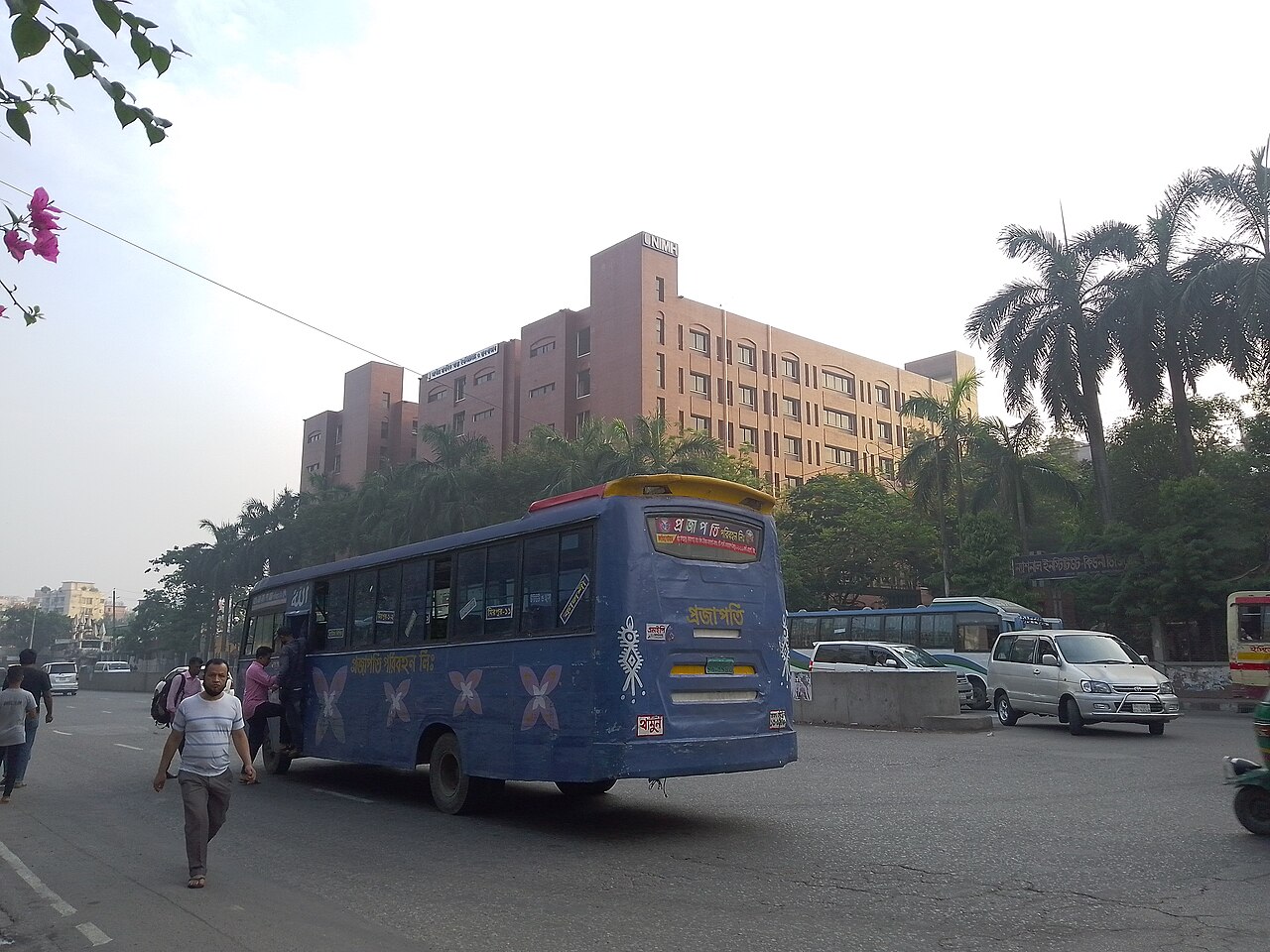
The last national survey, in 2018-19, found 18.7 percent of adults and 12.6 percent of children with a mental disorder and more than 92 percent of adults untreated. None has been done since, and psychiatrists say the situation is likely to have worsened.
OpinionIn a Prothom Alo column, public mental health specialist Imdadul Haque Talukder argues that Bangladeshi law still treats suicide attempts, drug addiction and gambling addiction as crimes although medicine sees them as treatable disorders, and calls for section 309 of the Penal Code to be repealed.
 Opinion
Writing for World Egg Day, A K M Humayun Kabir of Chattogram Veterinary and Animal Sciences University says egg output rose from 6.08 billion in 2010-11 to 24.41 billion in 2024-25, and that the gain now has to reach children's diets.
 Health
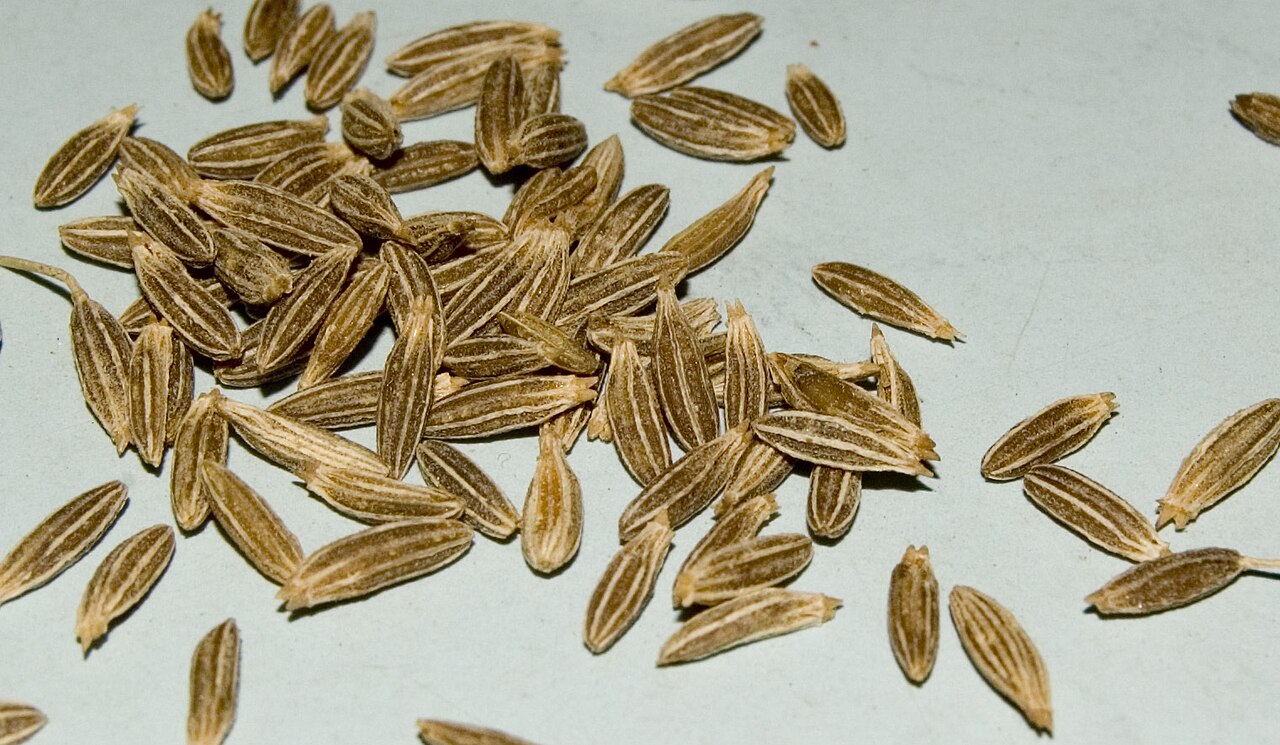
India's food regulator FSSAI has ordered a batch of Everest cumin powder, sampled at a Goa resort, off the market for pesticide residues above the limit; its guidelines include simple home tests for adulteration.
 Health
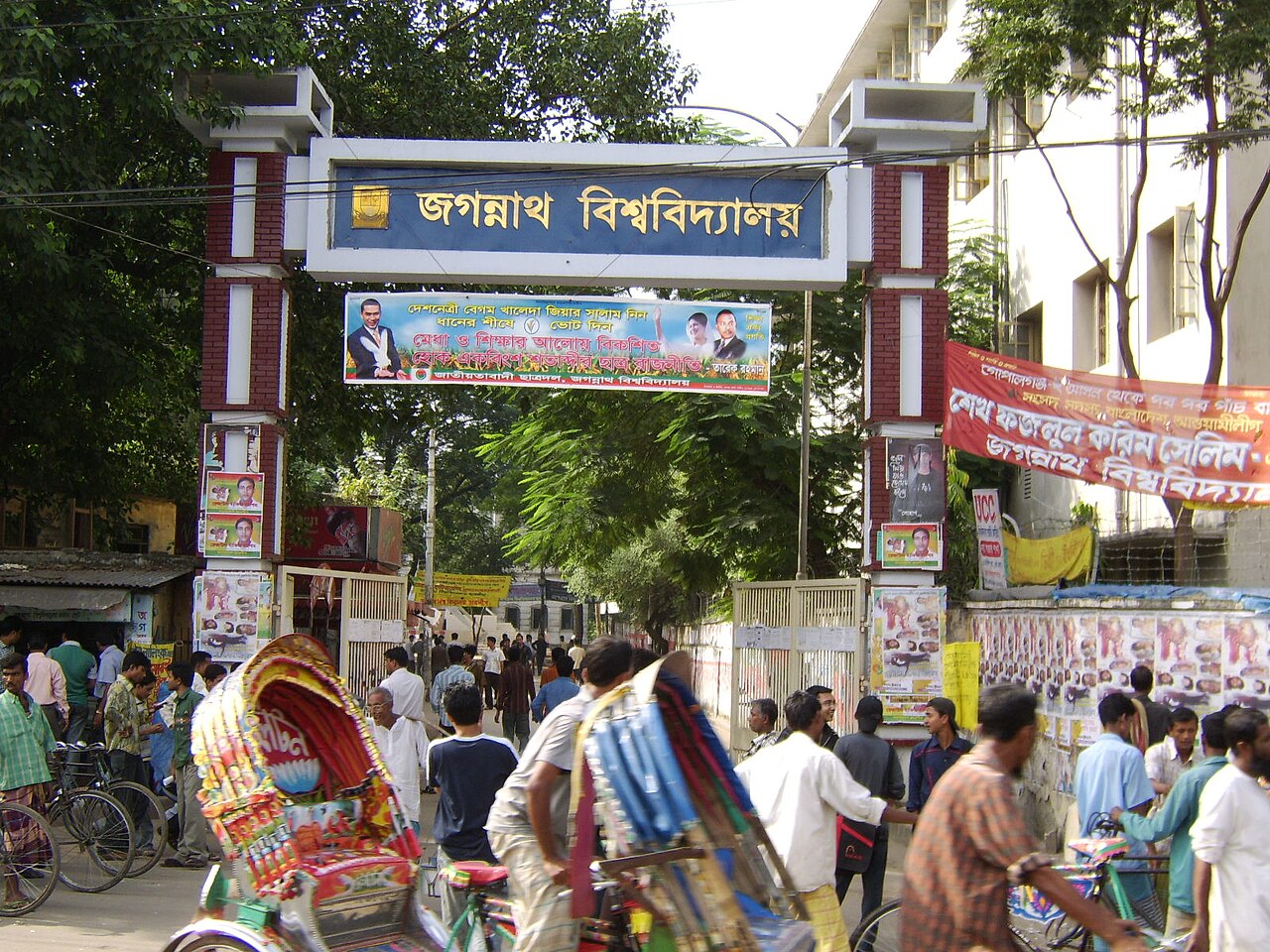
In a Jagannath University Press Club survey of 600 students, only 7 went to bed before midnight and only 16 per cent ate three meals a day; a university doctor warns of long-term health risks.
 Health
In a controlled trial, colon cancer patients who exercised for three years under a trainer had less recurrence; in Pittsburgh, UPMC is moving to put such programmes under health insurance.
 Health
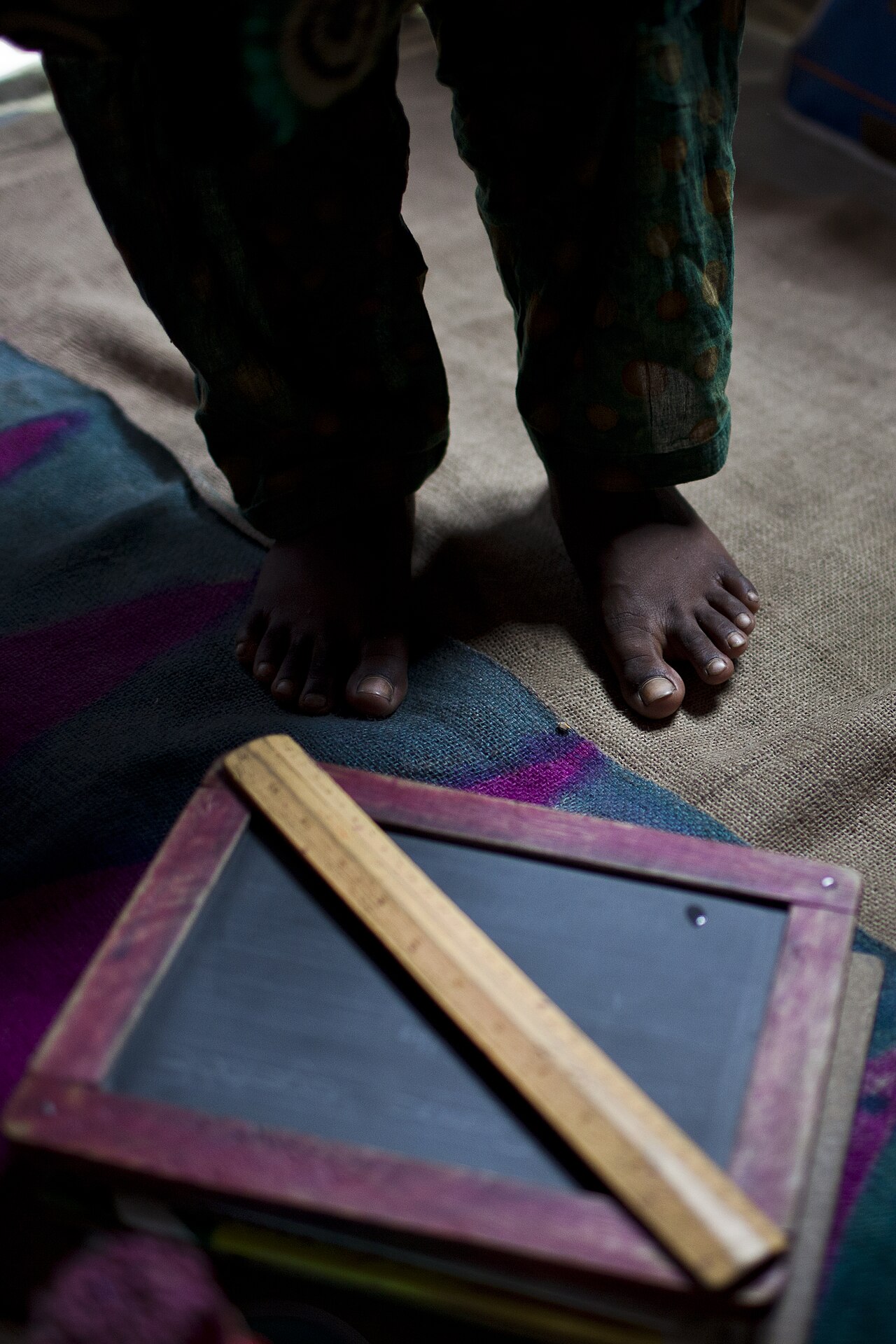
A pupil at a government primary school in Chilmari, Kurigram, found insects inside a school-feeding bun; the upazila education officer has ordered the whole batch returned and left unpaid.
 Health
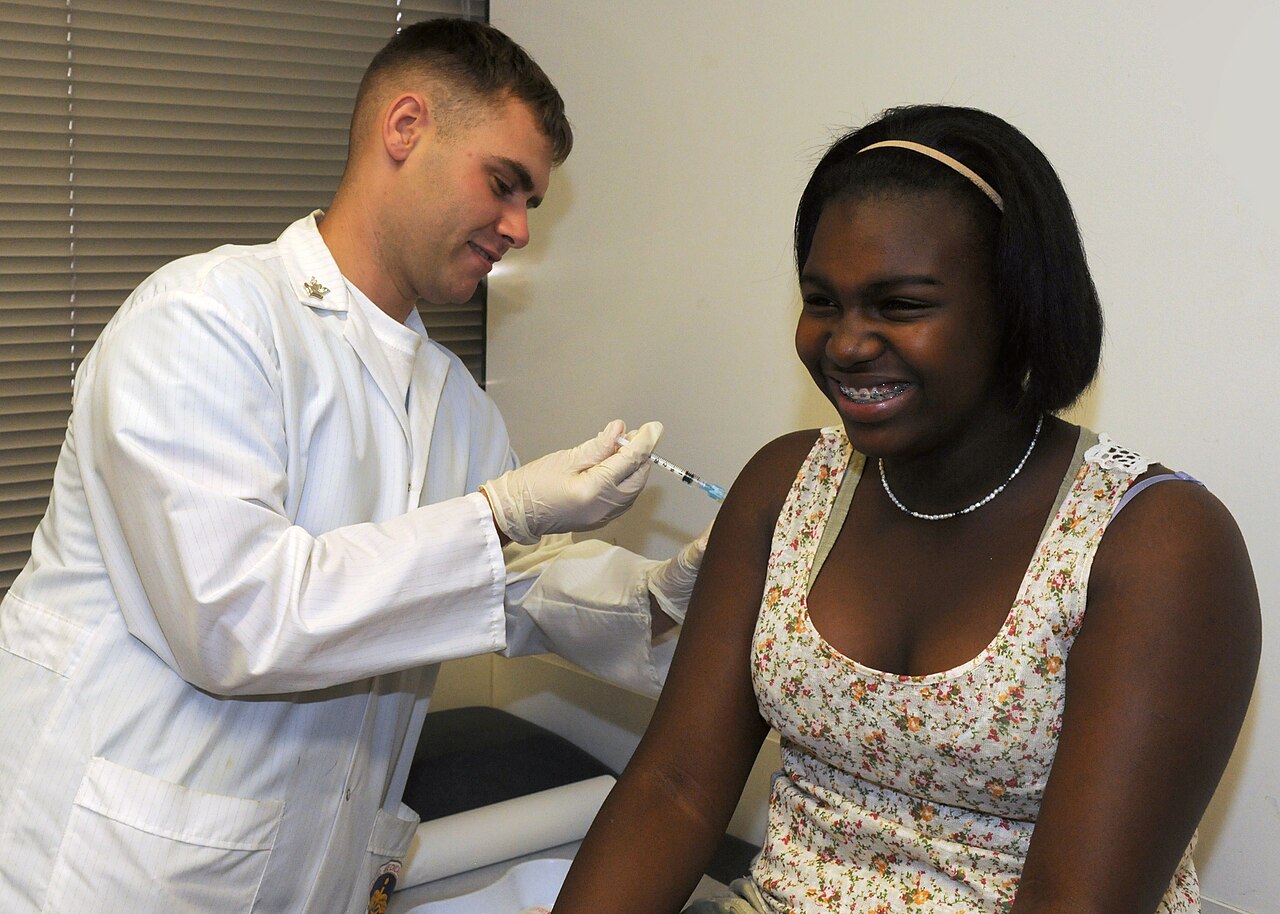
Childhood protection does not last for life; Dhaka Medical College microbiologist Dr Kakoli Haldar says a Td or Tdap booster is due at 11 to 12 and every 10 years in adults.
 Livestock
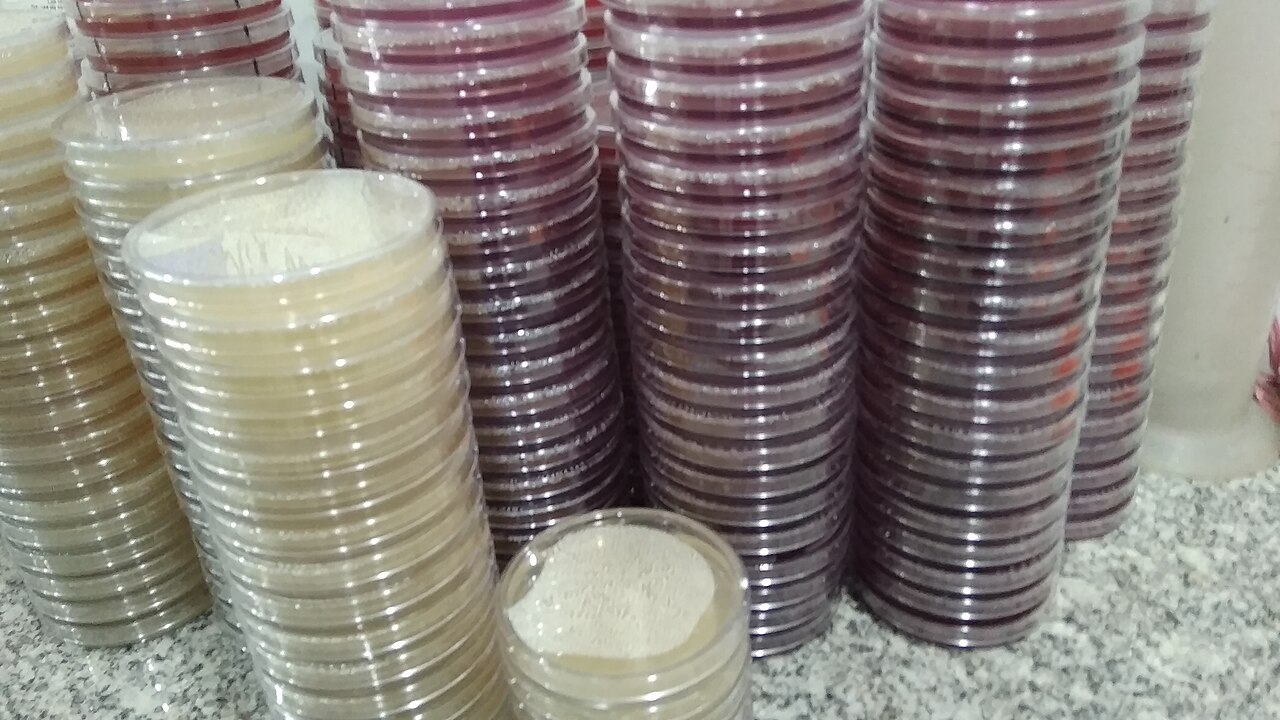
The FAO has recognised Utrecht University's veterinary faculty and Wageningen Bioveterinary Research as a joint reference centre for antimicrobial resistance, to support surveillance in animals and the food chain, guidelines, training and capacity building in low- and middle-income countries.
 Environment
The State of Global Air Quality Funding 2026 report finds outdoor air quality funding matched fossil fuel-prolonging aid for the first time in 2024, while the most polluted countries and super pollutants remain underfunded.
 Agrotech
In a strategy paper in the EFSA Journal, the European Food Safety Authority names cultivated meat and precision fermentation as priority areas and proposes a human-led, AI-enabled risk assessment model to avoid approval delays.
 Health
Under the Human Organ Transplantation Act 2026, screened altruistic donors who are not close relatives can give organs; organ trading is banned, transplants are limited to licensed hospitals and brain death must be declared by a three-specialist committee.
 Environment
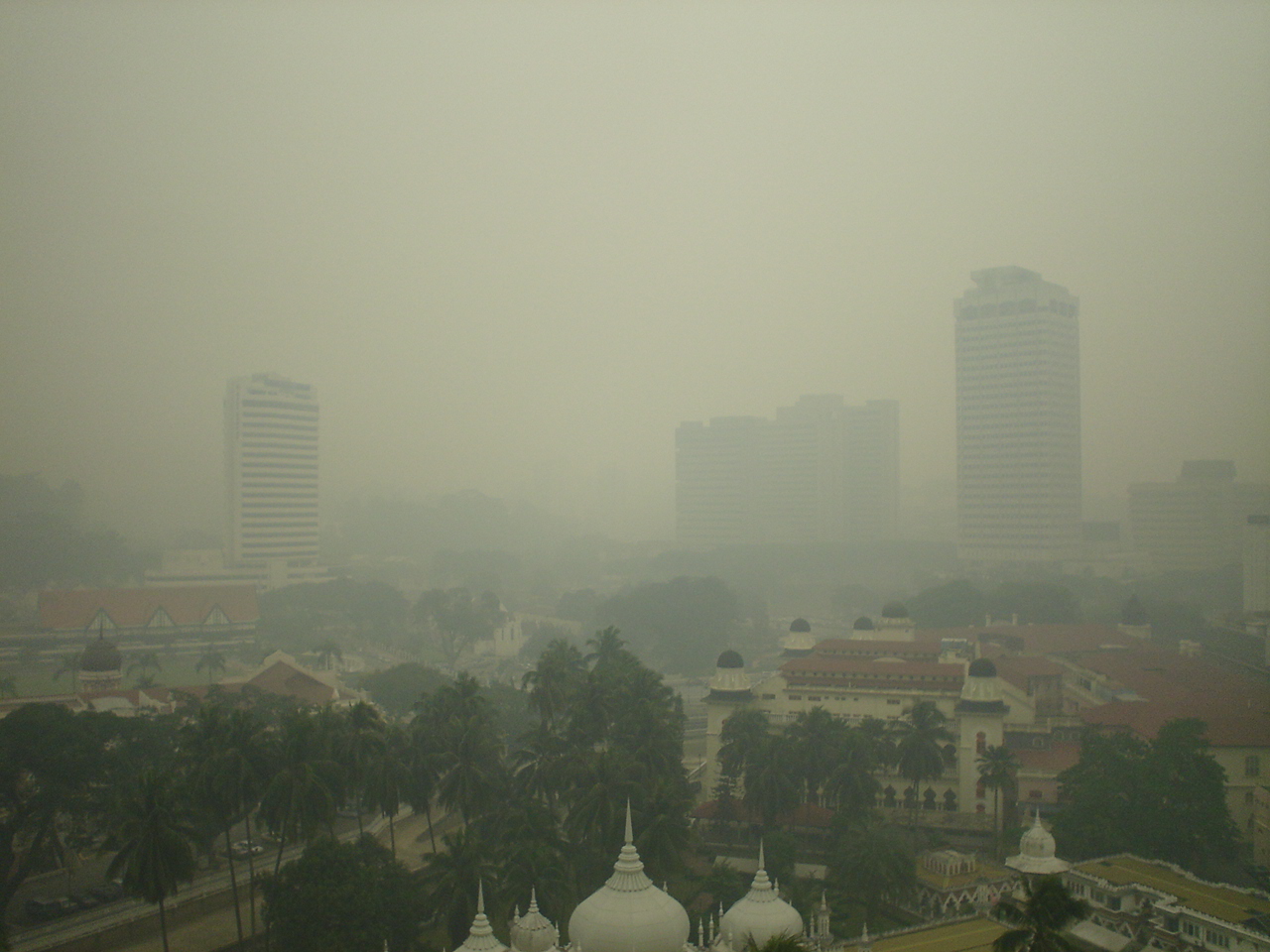
Haze from burning forests and peatland in Indonesia has blanketed South-East Asia for more than a month; on Friday schools closed in four Malaysian states and two federal territories, and Singapore's air was rated very unhealthy.
 Health
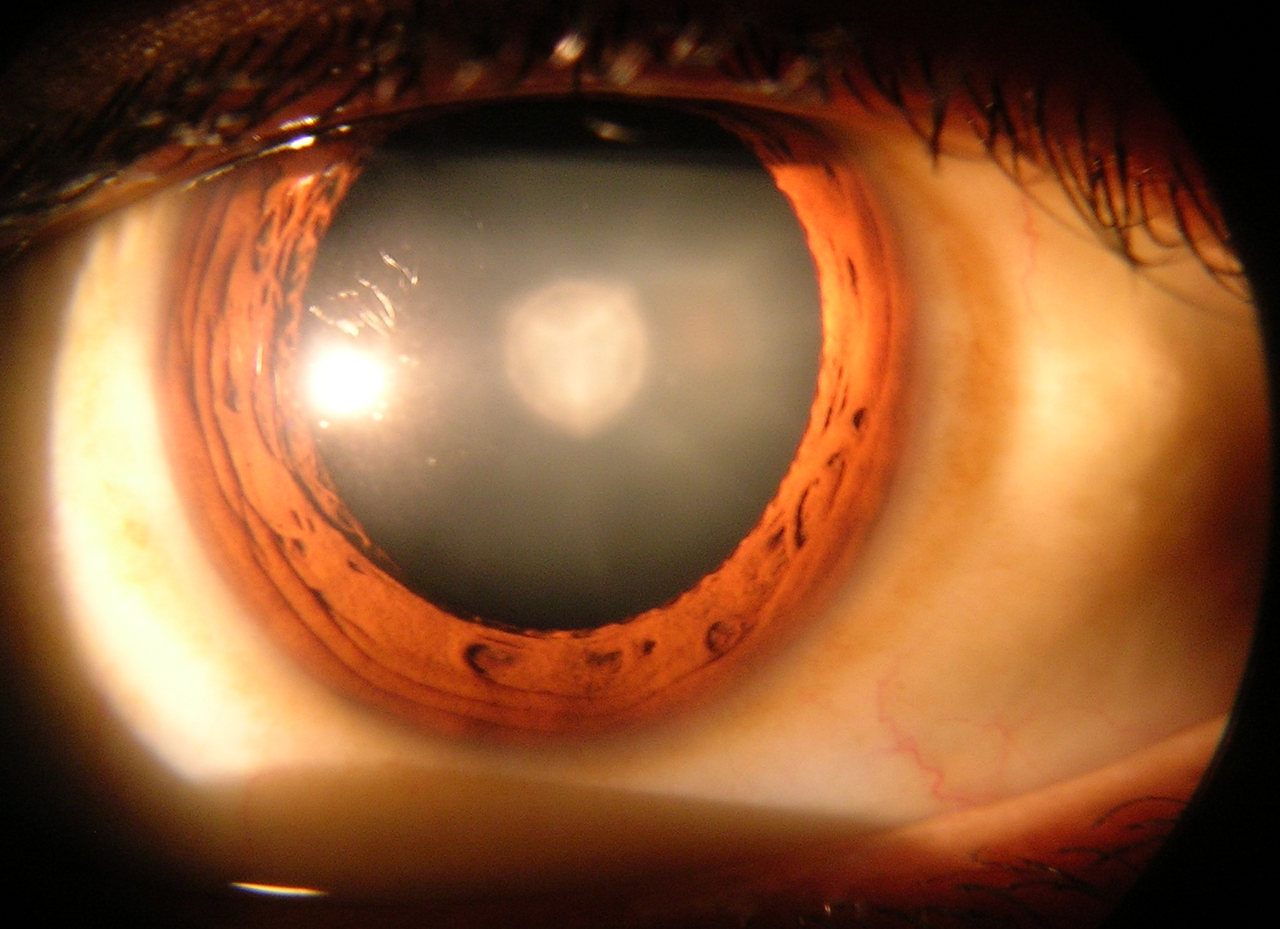
At a World Sight Day meeting of the Bangladesh Blind Foundation, speakers said cataract can be cured by surgery but eye care is concentrated in Dhaka and big cities, so many are treated too late.
 Opinion
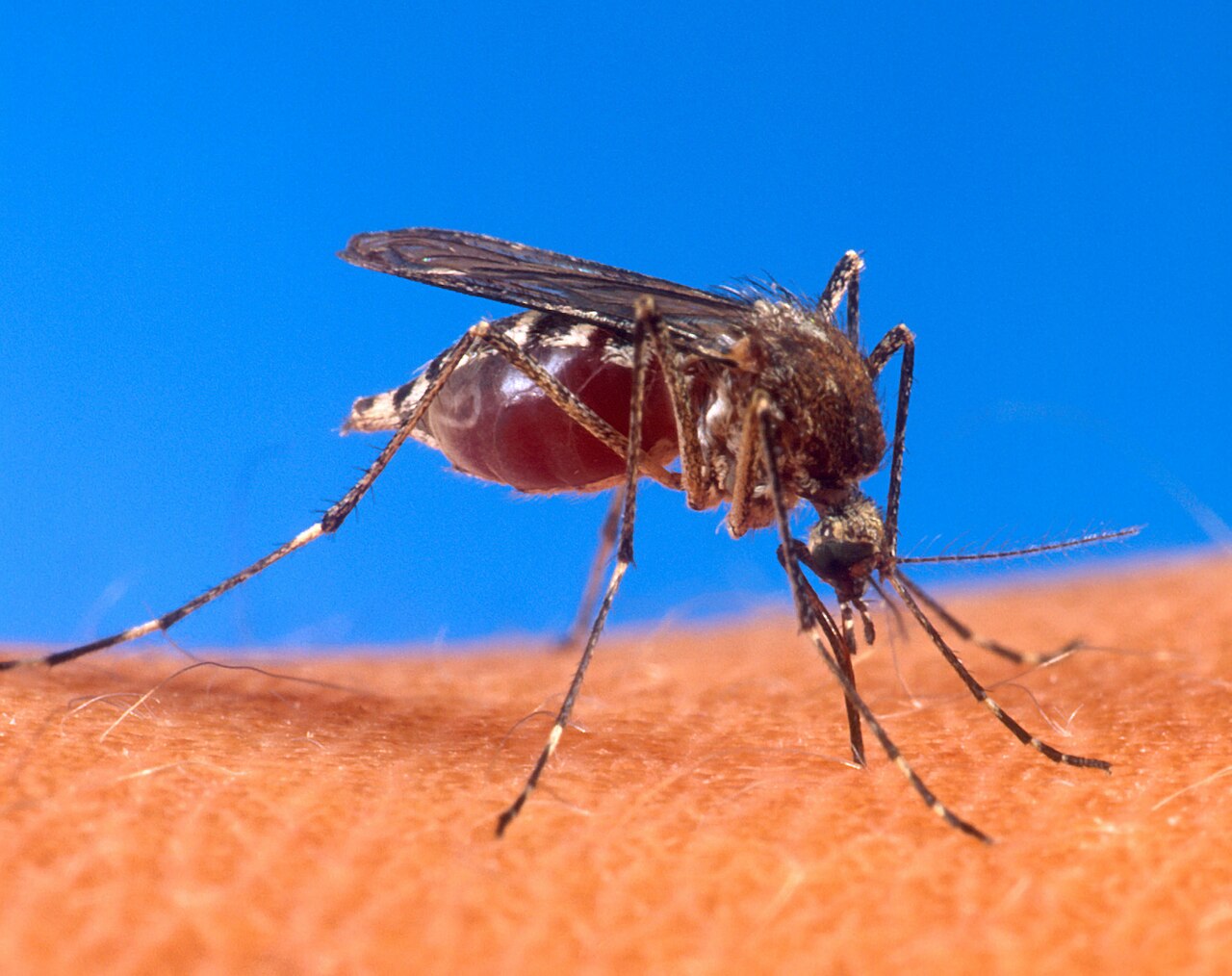
Prothom Alo's Sydney correspondent Kawsar Khan writes that the Qdenga vaccine is available in a country with almost no local dengue while children die in Bangladesh, and proposes a rapid review and targeted vaccination.
 Livestock
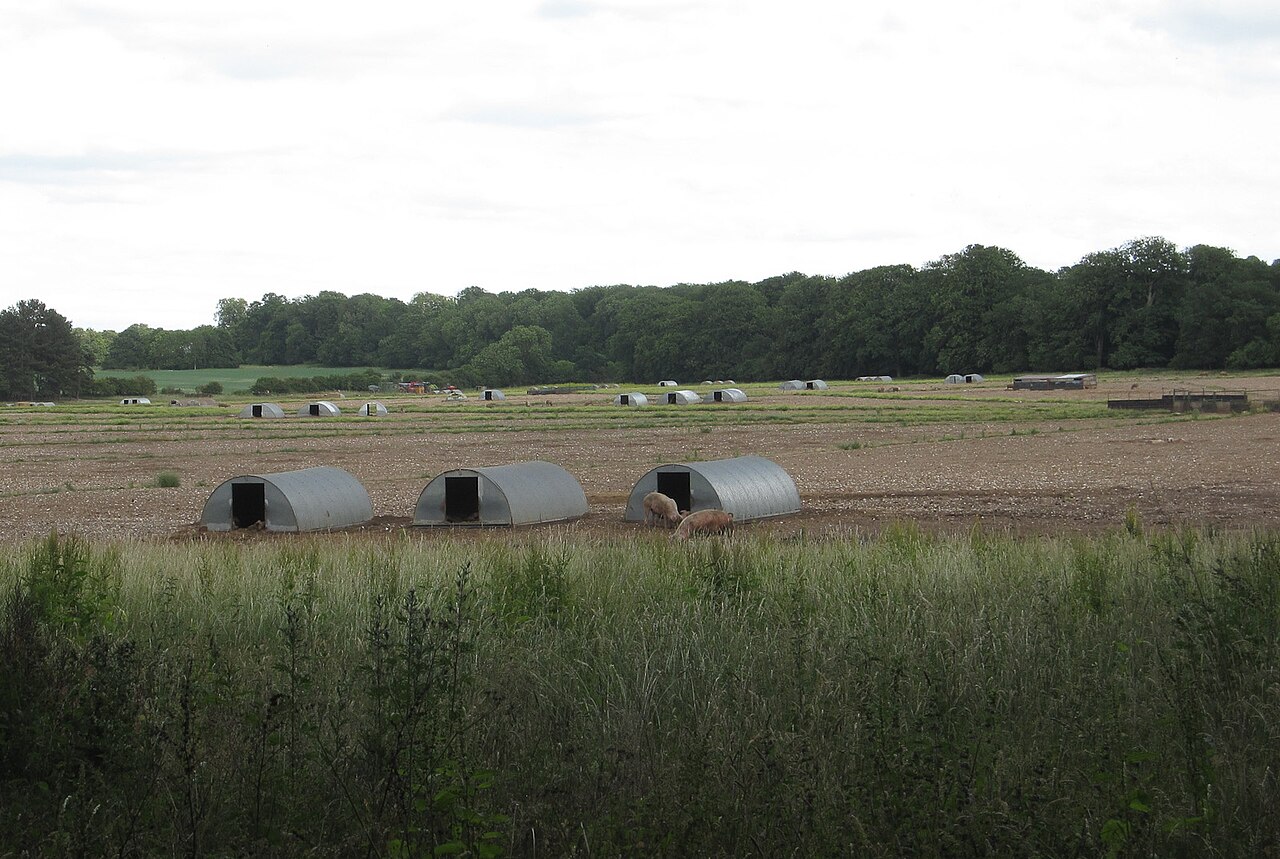
The UK government and UK Research and Innovation have set out 18 projects worth £54m to prepare for animal disease outbreaks, build next-generation livestock vaccines and tackle antimicrobial resistance on farms.
 Livestock
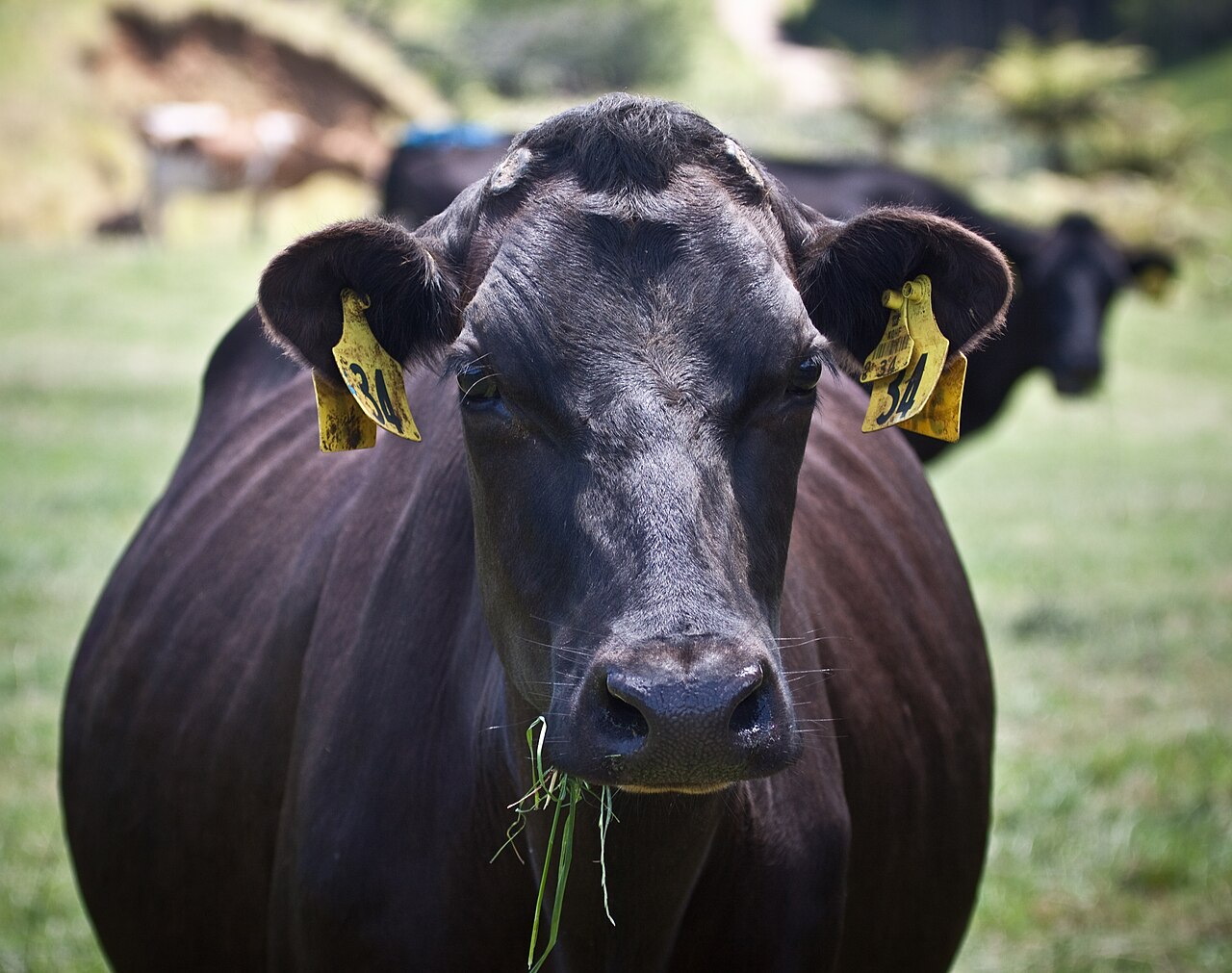
Updated Veterinary Council guidance from 1 January 2027 expects antibiotics at dry-off to be justified cow by cow; DairyNZ says fewer than 5% of herds gain from treating every cow.
 Health
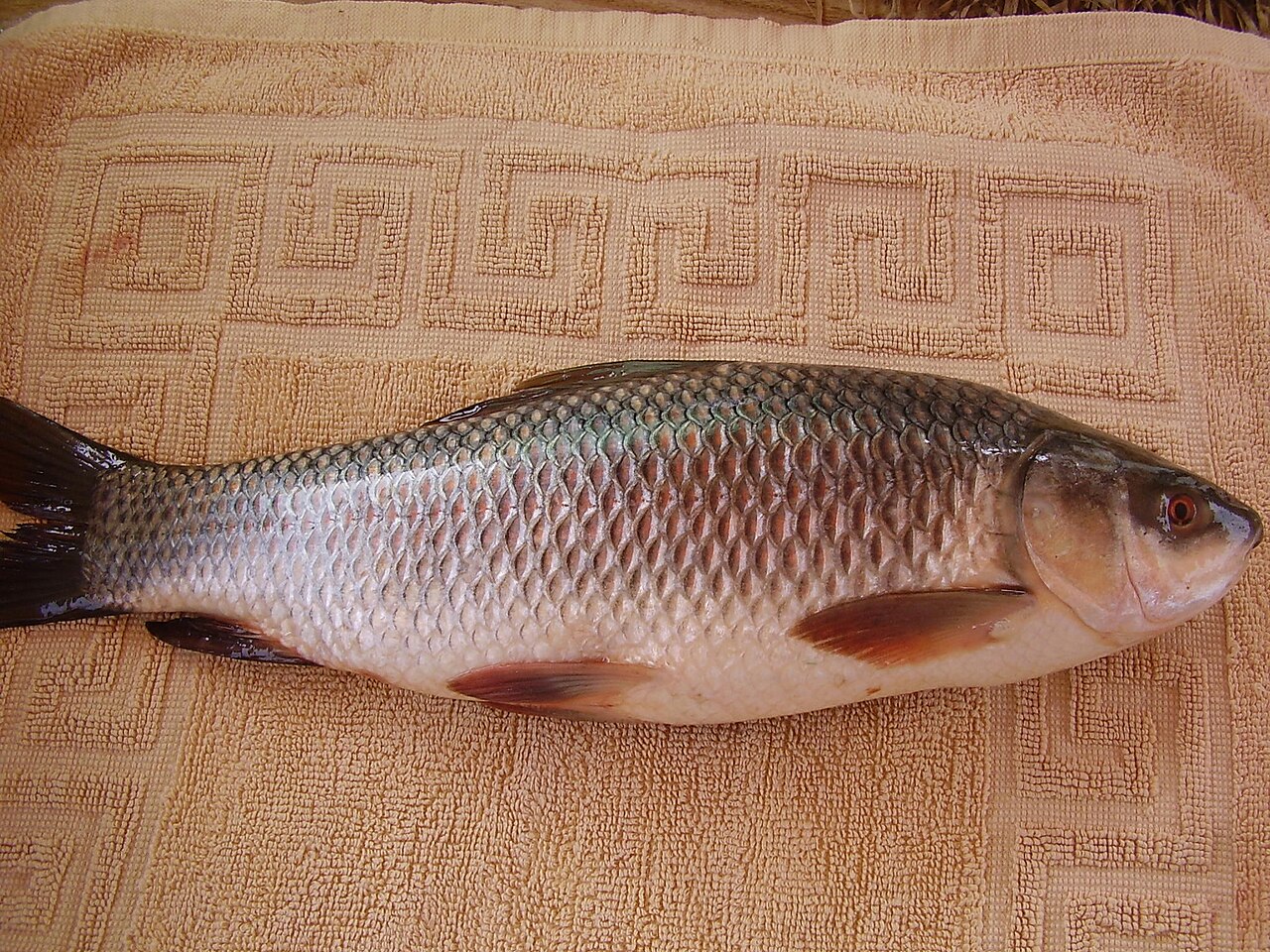
An ongoing doctoral study at MIT World Peace University detected fibres, fragments and pellets in freshwater fish entering Pune, estimating that a regular eater could ingest 93,600-124,800 particles over 50 years; detailed polymer analysis is still under way.
 Agribusiness
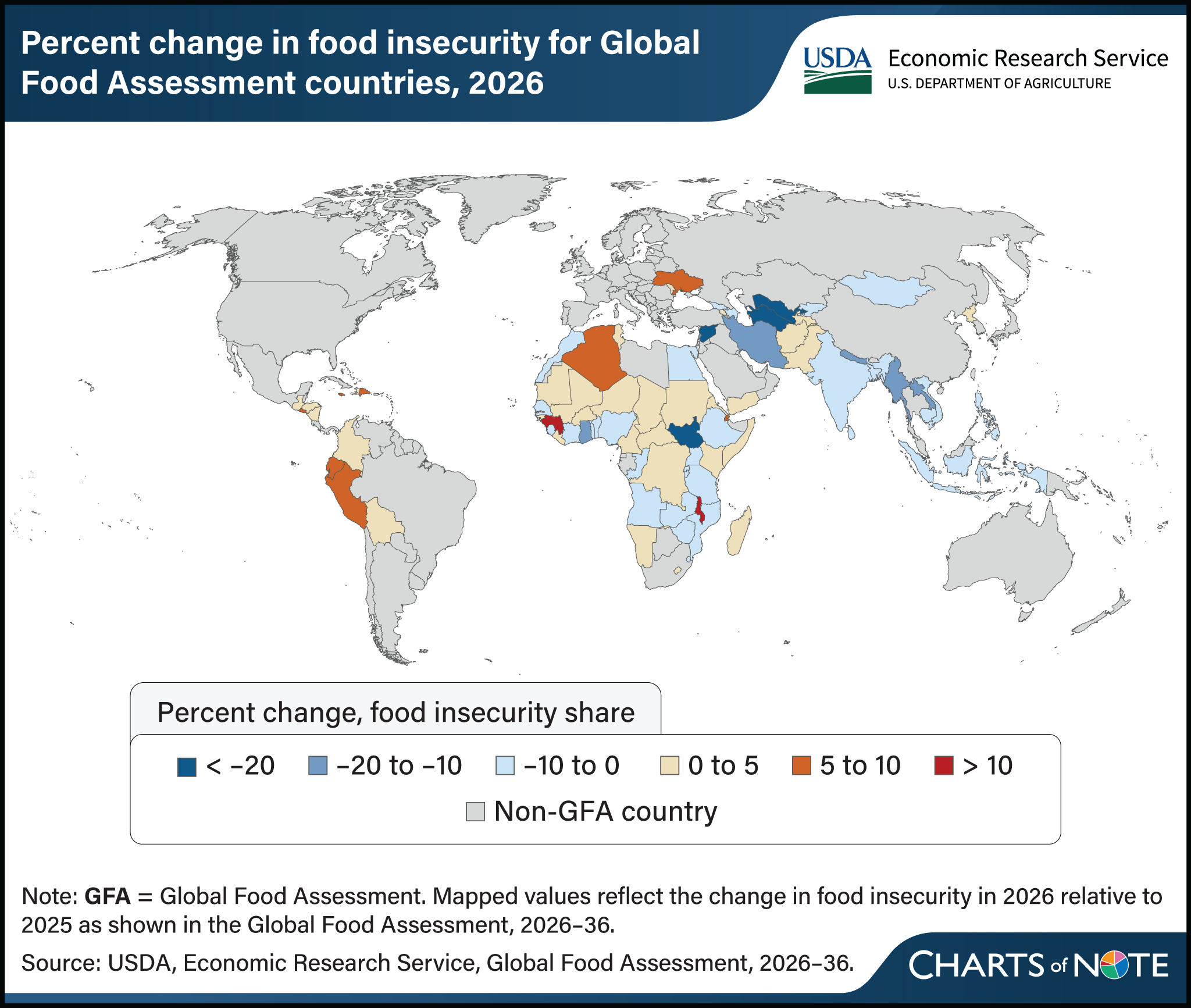
ERS's Global Food Assessment estimates 884.4 million people, 19.5% of the population of 83 low- and middle-income countries, are food insecure in 2026, with most countries improving on 2025 but Sub-Saharan Africa and Latin America facing persistent risks.