
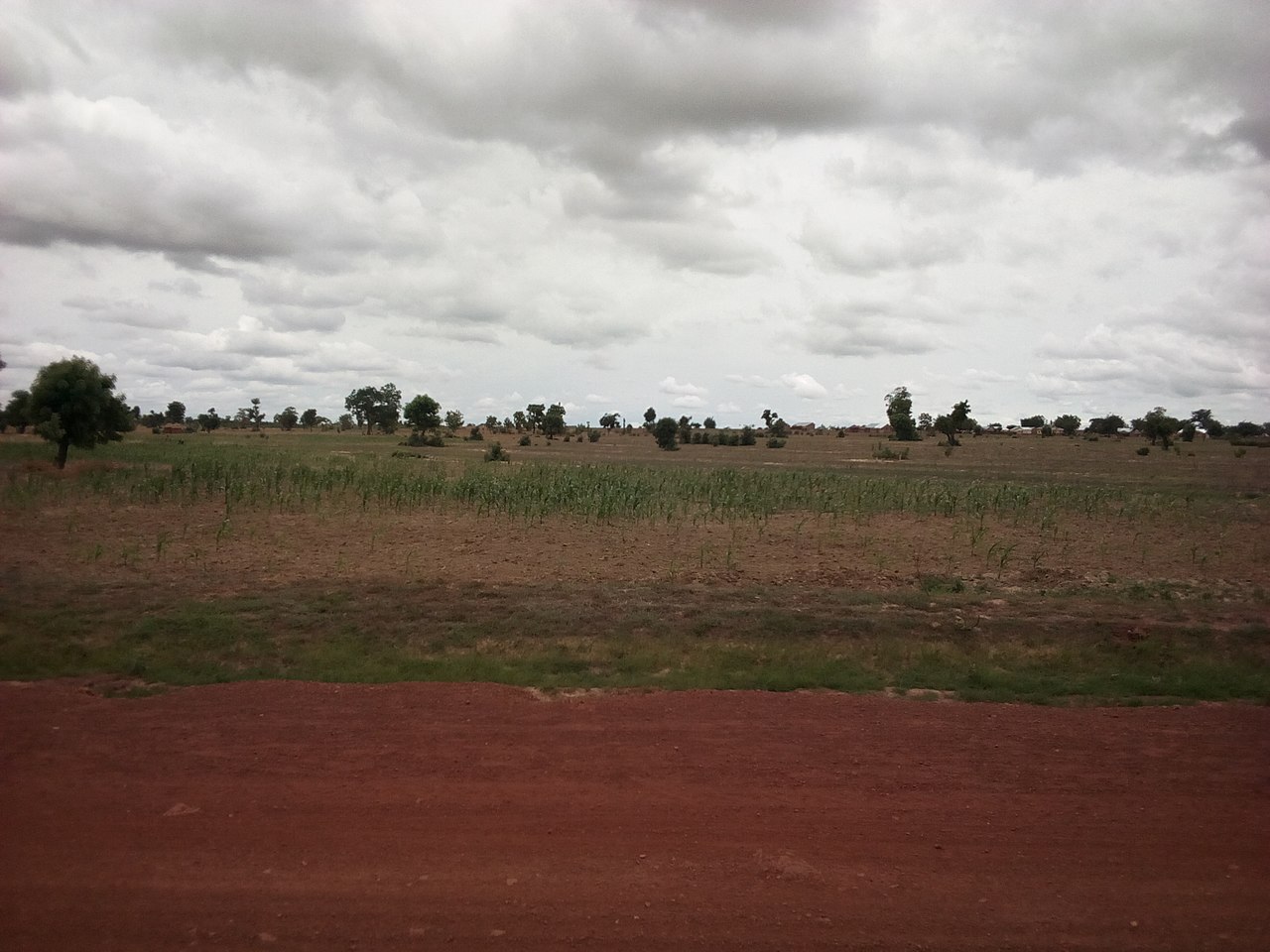
A video-assisted community dialogue campaign in Ghana's Ahafo Ano North District has brought farmers, input dealers, spray service providers, traders and traditional leaders together to talk about the misuse of highly hazardous pesticides on vegetables, and about the pressures that drive it.
The campaign is run by CABI's PlantwisePlus programme with the district's Department of Agriculture, as part of a wider behaviour change effort in eight of Ghana's main tomato and vegetable producing districts. Short videos with actors speaking the local language showed the health, environmental and food-safety effects of unsafe spraying and demonstrated safer practice, and each screening opened a facilitated discussion.
The discussions showed that misuse is not only a matter of missing knowledge. Traders and consumers judge vegetables by how they look, safer alternatives are costly and scarce, trained spray providers are hard to find, and protective equipment is often not used. Aggregators said some farmers apply hazardous products, including household detergents, to vegetables such as eggplant to make them look brighter.
One aggregator described a farmer who sprayed highly hazardous pesticides on the larger part of his eggplant field, grown for sale, and kept a smaller untreated plot for his own family. A woman at the Mabang dialogue recalled collapsing after helping her husband fetch mixed pesticide while he sprayed their tomato farm at Akomadan; she said she has not returned to the farm since.
The campaign first planned seven community sessions with a target of 350 people. Strong interest led the Department of Agriculture to add an eighth dialogue for traders and aggregators at Tepa market, and 635 people took part in all, with micro-videos shared on farmer and social-media networks reaching another 375.
Participants said they would consult extension officers before buying or applying pesticides, avoid unregistered and highly hazardous products, keep to pre-harvest and re-entry intervals, mix fewer products, wear protective equipment and use integrated pest management. They also asked for affordable safer products, better training and regulation of dealers, and firmer action against dangerous and unregistered pesticides. "This education should not be a one-time activity," the chief of Abonsuaso-Danyame said.
Photo: Attah Mohammed / Wikimedia Commons (CC BY-SA 4.0)
Source: Global Agriculture


Comments
(0)