
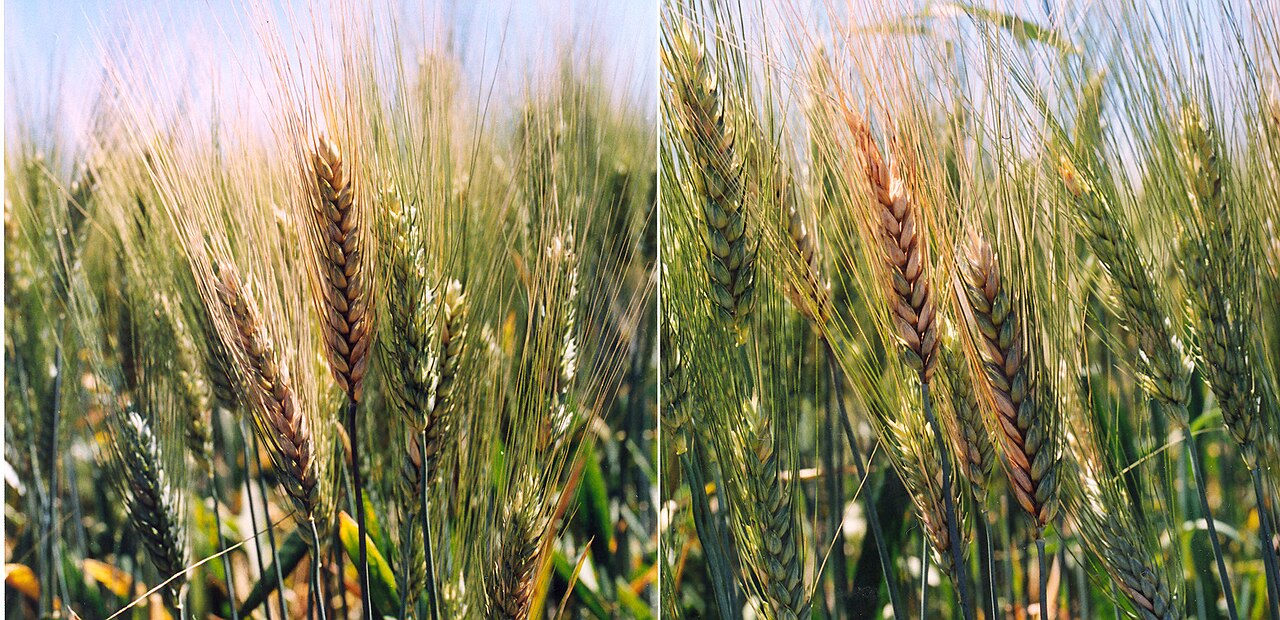
A spray drone controlled wheat scab as well as a conventional ground sprayer in a preliminary field trial at North Dakota State University's Carrington Research Extension Center, offering growers an option when fields are too wet for heavy equipment during the short window when the crop must be protected.
Wheat scab, or Fusarium head blight, lowers yield and grain quality and raises levels of the toxin deoxynivalenol (DON), which can lead to dockage or rejection at the elevator. Fungicide works only if it goes on during the brief flowering period, and wet soil often keeps ground rigs out of the field at exactly that time.
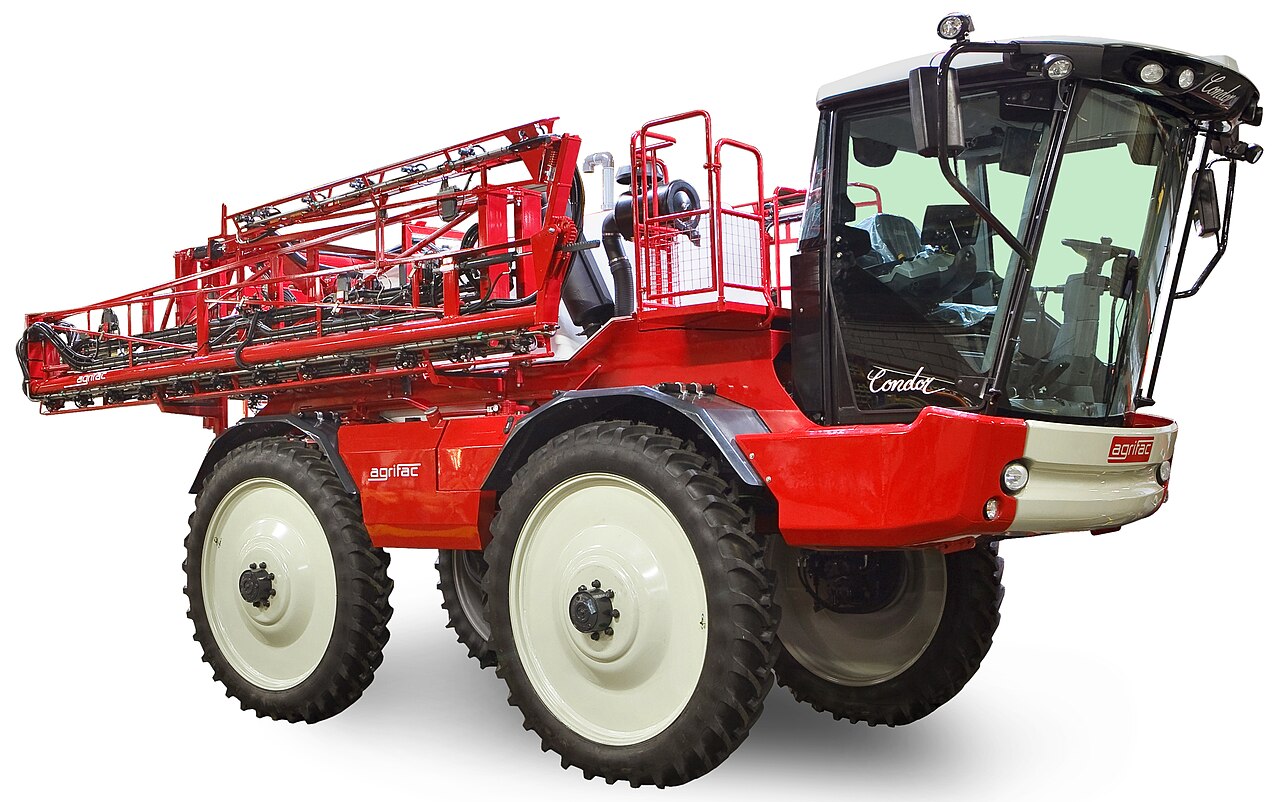
Dr. Karn's lab compared three treatments in hard red spring wheat: an untreated control, a ground application and a drone application, both using the fungicide Miravis Ace at the same product rate. The ground sprayer applied 15 gallons of water per acre; the Hylio AG-230 drone applied 5 gallons per acre, flying 12 feet above the crop at 10 miles per hour.
Both fungicide treatments reduced the disease. The Fusarium head blight index was 11.56% in the untreated wheat, 2.83% after the ground application and 2.50% after the drone application, and both methods lowered incidence and severity. Yields were 61.3 bushels per acre untreated, 63.7 with the ground sprayer and 63.9 with the drone. Test weight rose slightly too, from 57.42 pounds per bushel to 57.62 and 57.88.
The researchers stress that these are preliminary numbers, and that more work is needed to see how consistently drones perform under different conditions, spray volumes and settings. Coverage, application rate, weather, crop stage and label requirements still have to be weighed when choosing how to apply.
For wheat growers, the practical point is timing: a drone that can fly over a waterlogged field may let them protect the crop during flowering instead of missing the window.
Photo: CSIRO / Wikimedia Commons (CC BY 3.0)
Source: Farms.com

Comments
(0)