
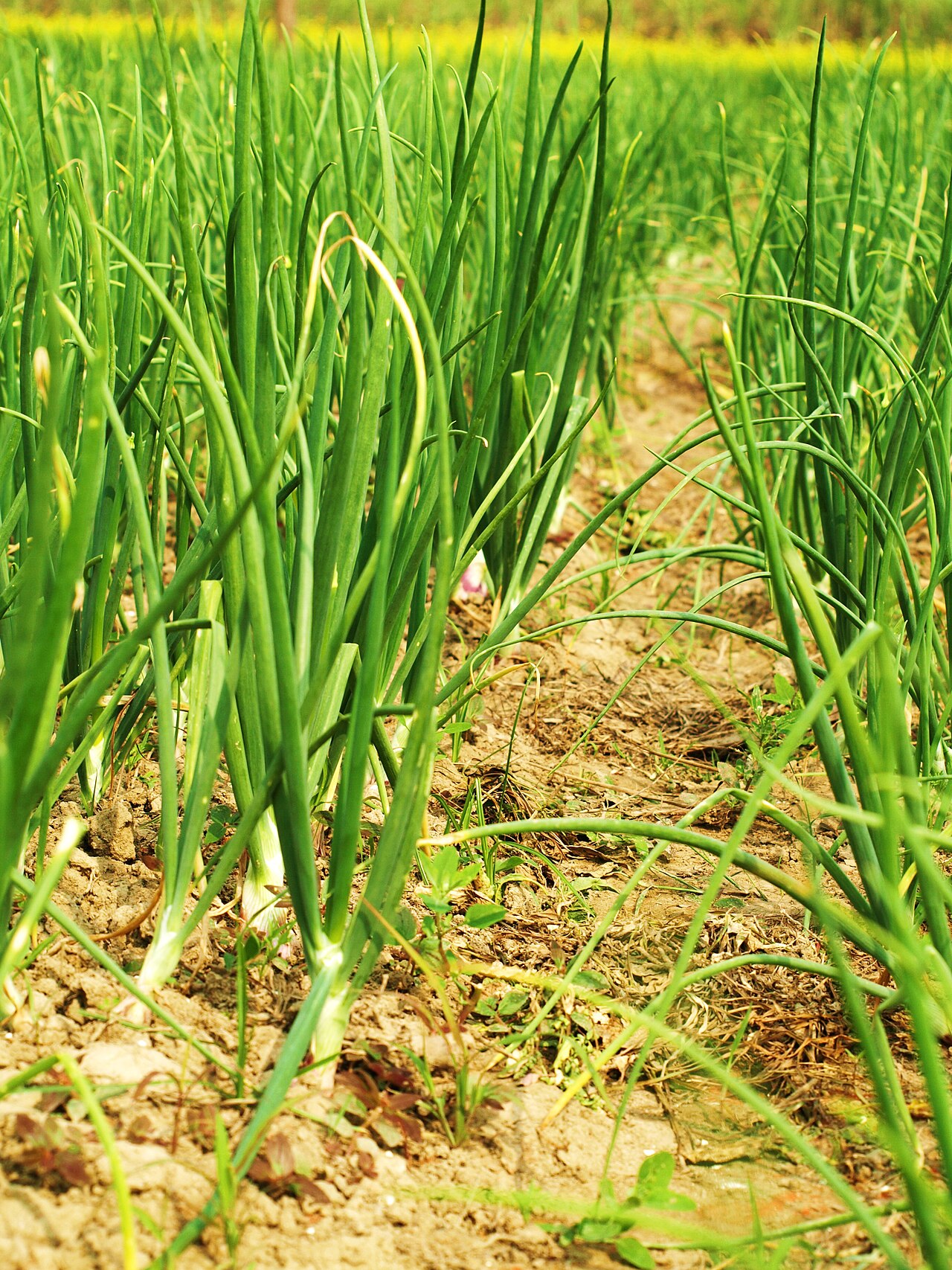
Bangladesh is now self-sufficient in onions and no longer needs to import them, according to the Department of Agricultural Extension (DAE). Against annual demand of 3.6 million tonnes, more than 5.09 million tonnes were grown this year on over 300,000 hectares, 41.39 percent above demand. Import permits have not been issued since December 2025, and no onions have been imported for 11 months, Dhaka Mail reports.
Storage technology has played as big a part as the harvest. Bangladesh usually loses 20 to 30 percent of onions after harvest, and 50 percent or more in bad weather, which created shortages from September to December and drove imports. Air-flow machines installed in farmers' homes now keep temperature, humidity and ventilation under control so onions last for months; the DAE says off-season losses have fallen by 10 percentage points.
So far 26,700 air-flow machines have been handed to farmers, and another 4,000 are planned this financial year under the farm incentive programme. Project director Dr Mahfuzur Rahman said each farmer received Tk 27,000 in their bank account: Tk 19,000 for the machine, Tk 7,000 for a raised platform and Tk 1,000 for a signboard. Each machine holds about 10 tonnes, and farmers have stored up to 300,000 tonnes this way. The project covers 107 upazilas in 16 districts, and 3,900 farmers are receiving technical training.
DAE director general M Abdur Rahim said the country now has 400,000 to 500,000 tonnes of modern storage capacity, enough to cover the off-season gap. The DAE estimates that halting imports saved about $382 million (more than Tk 4,764 crore). In 2024-25, 473,000 tonnes were imported against output of 4.448 million tonnes, and in 2023-24 about 600,000 tonnes.
Farmer Md. Nasir Mia of Nadia village in Madhukhali, Faridpur, has kept 145 maunds in a machine for six months; under the old method a maund lost about 10 kg, he says, and now only 2 to 2.5 kg. Mohammad Amin of Godagari, Rajshahi, said onions fetch Tk 800 to 1,000 a maund after the April harvest but Tk 1,600 to 1,700 between September and December. Jahangir Mia of Bhanga, however, said onions now cost Tk 40 a kilo to grow, and the government should look to exports if farmers are to profit.
To raise output of summer (murikata) onions, the second phase of the spice varieties and technology extension project has been extended to 2031; project director Masudur Rahman said seedlings will be raised under poly-shade at 25 horticulture centres to spread short-duration varieties such as BARI Onion-5.
Photo: Shmunmun / Wikimedia Commons (CC BY-SA 3.0)
Source: Dhaka Mail

Comments
(0)