
The UK government and UK Research and Innovation (UKRI) have set out £54m of investment in 18 research projects aimed at the biosecurity and disease threats facing the country's livestock. The money is meant to prepare for future epidemics, tackle antimicrobial resistance (AMR) and speed up the development of next-generation animal vaccines.
Two projects apply new vaccine technology. Professor Simon Graham of The Pirbright Institute will develop mRNA vaccine platforms for animal health, which could allow faster responses to emerging livestock diseases. Professor Jonathan Heeney of the University of Cambridge will use artificial intelligence to design plug-and-play vaccine antigens against animal and zoonotic pathogens.
Other work looks at how diseases spread. Peter Dodd of the University of Sheffield will build a data-driven approach to understanding, predicting and preventing African swine fever in the UK and Southeast Asia, and Professor Kavita Vedhara of Cardiff University will study how human behaviour, social settings and public trust shape the emergence and spread of disease.
Several projects address antimicrobial resistance across food, farming and the environment, including cutting inappropriate antibiotic use, airborne fungal resistance and antimicrobial stewardship in agriculture and aquaculture. The researchers will work with international partners and take an approach that links human, animal and environmental health.
UK Chief Veterinary Officer Christine Middlemiss said the projects, supported by funding from Defra, "will drive innovation in next-generation veterinary vaccines, strengthen epidemic preparedness and help tackle the growing threat of antimicrobial resistance". Professor Anne Ferguson-Smith, Executive Chair of BBSRC, said pooling expertise would help researchers get ahead of emerging biological threats to people, animals, plants and the environment.
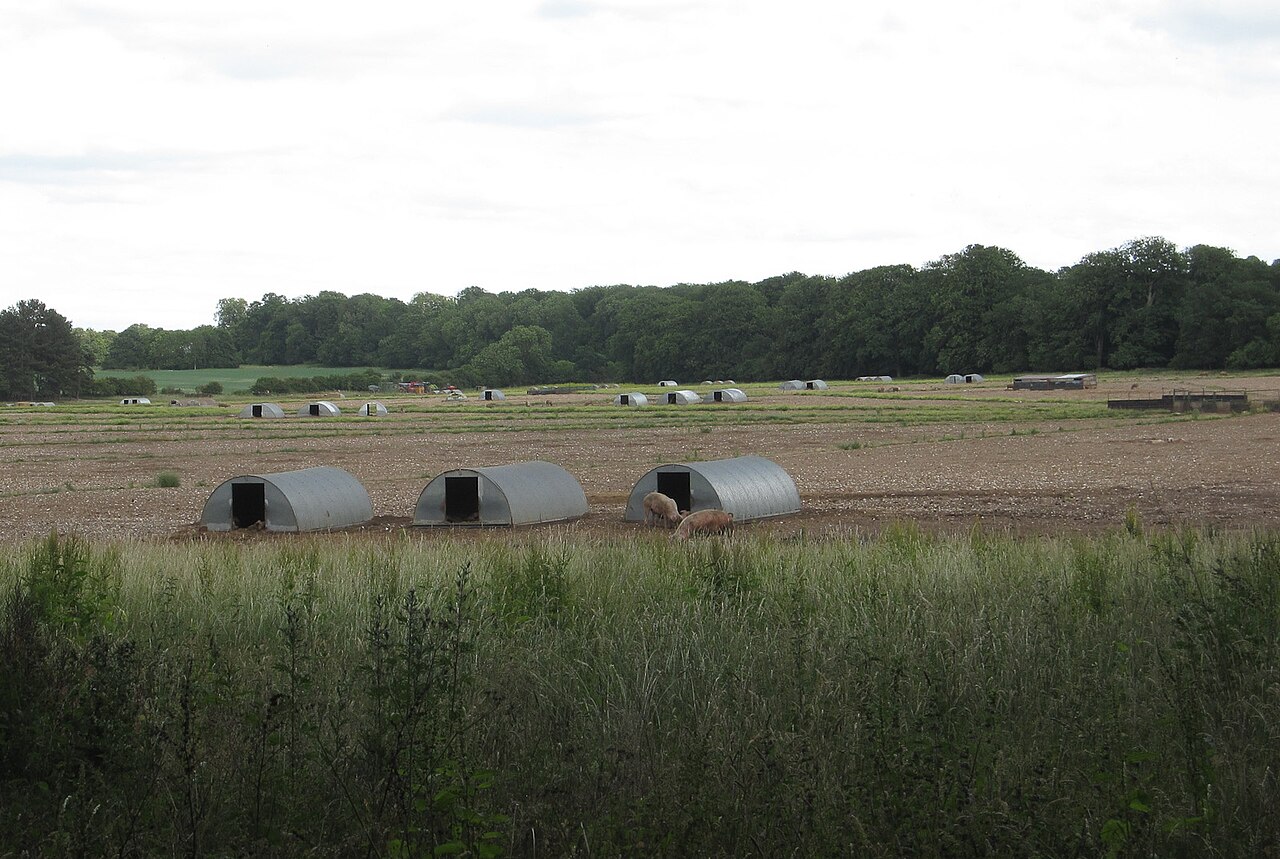
Photo: Hugh Venables / Wikimedia Commons (CC BY-SA 2.0)
Source: Pig World

Comments
(0)