
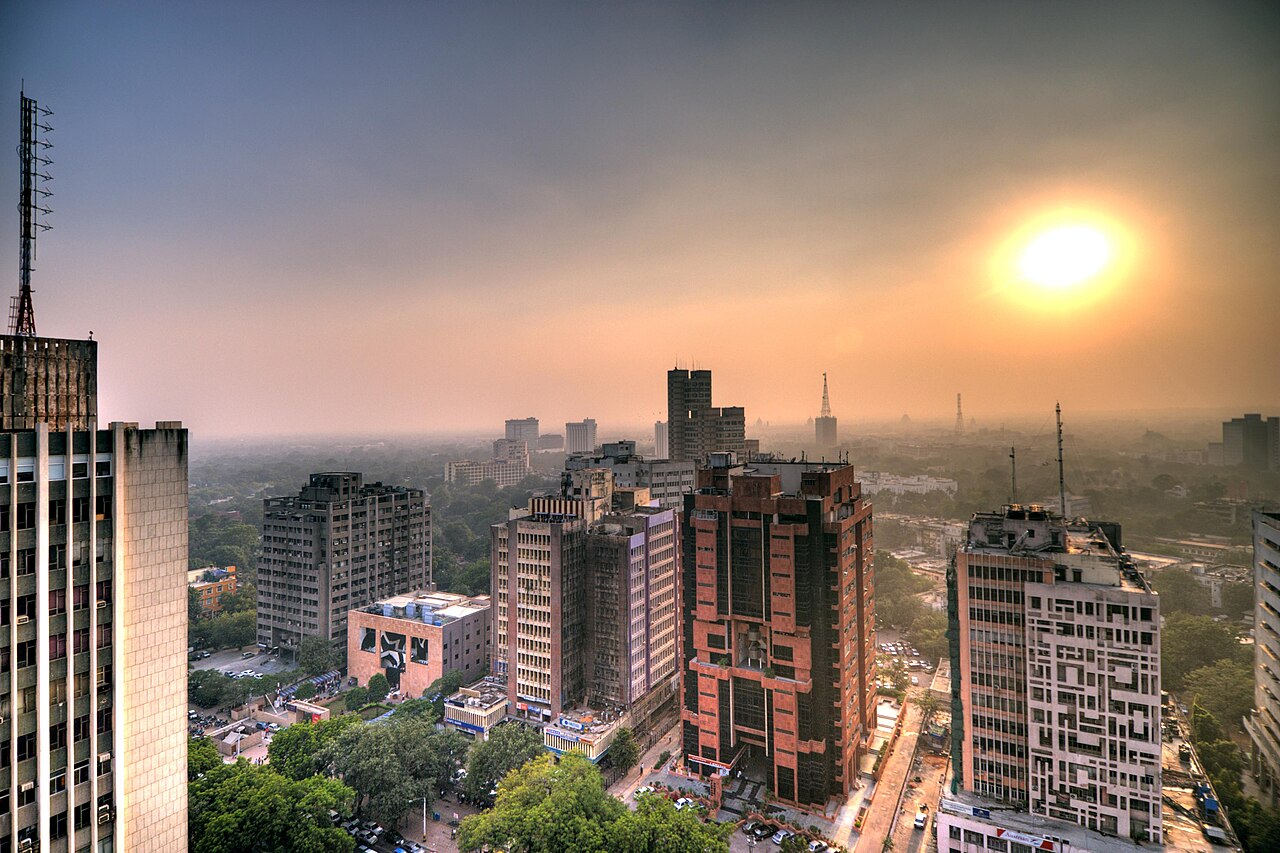
International funding aimed explicitly at outdoor air quality rose by $1.7 billion in 2023-24 to $4.7 billion, nearly back to its 2022 peak, according to The State of Global Air Quality Funding 2026 report by the Clean Air Fund and the Climate Policy Initiative, analysed in Down To Earth by Anumita Roychowdhury.
For the first time, clean air spending matched funding that prolongs fossil fuel use, after the latter fell 48% in 2024 to $4.7 billion. Yet targeted clean air funding is still less than 1% of all international development aid, and 89% of clean air money between 2020 and 2024 came as loans rather than grants, a heavy burden for indebted countries.
The longer trend is weaker. Total air quality finance grew 9% across rolling five-year periods, from $113.8 billion in 2019-2023 to $124.6 billion in 2020-2024, but fell 6% in 2024, the first annual drop in five years, as broader climate and infrastructure investment that cleans the air indirectly dropped 13%. The figures do not yet include the large aid cuts of 2025.
South Asia received almost a third of global air quality finance in 2020-2024, mainly for urban transit and industrial projects. Even so, in 2024 half of the world's ten most polluted countries received less than $2 a person.
Super pollutants are neglected: less than 0.1% of funds in 2020-2024 targeted black carbon as their main aim, and ground-level ozone drew just $111 million of indirect support in 2024, 0.4% of air quality funding. The analysis urges donors to build air quality targets into project design and to offer grants and concessional finance, and says India should tag clean air indicators across sectoral budgets so money goes to industry, vehicles, open burning and household fuels.
Photo: wili hybrid / Wikimedia Commons (CC BY-SA 3.0)
Source: Down To Earth


Comments
(0)