
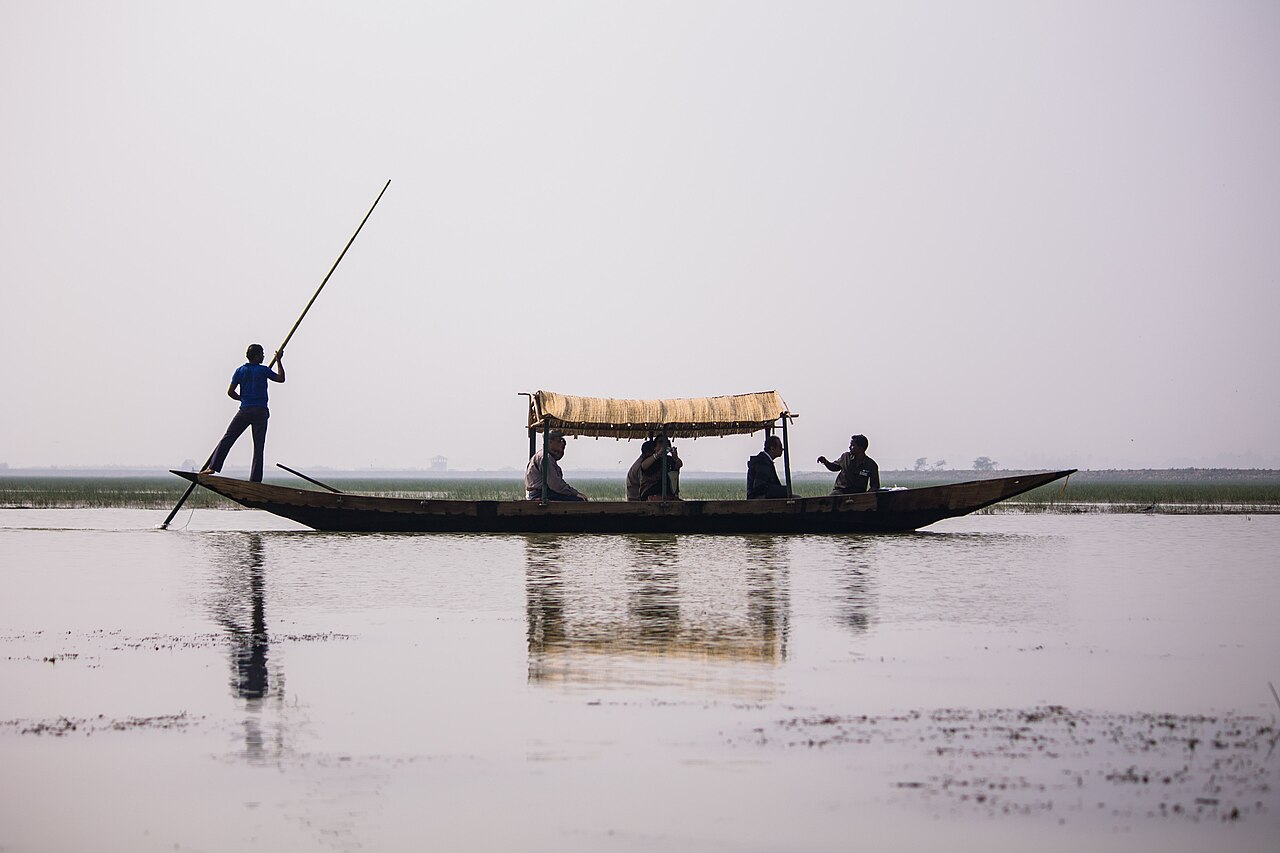
Migratory birds have begun arriving at Chilika lake in Odisha in the first weeks of October, and Ranjan Panda argues in a Down To Earth column that the early arrival is an ecological signal worth watching, not only a pleasant winter story. The views are the writer's own.
The Odisha Forest Department has stepped up patrols and runs 22 temporary bird-protection camps, and northern pintails, Eurasian wigeons, gadwalls, shovelers and glossy ibises are already being seen around the lake and Nalabana, he writes. He cautions that October arrivals are not new in themselves; what is changing, in his view, is how variable the migration calendar has become.
He points to warming at both ends of the flyway. Studies of Odisha's records found about 0.3°C of warming over 1981-2010, with a sharp rise in 2001-2010, and the India Meteorological Department puts India's long-term warming at about 0.62°C per century for 1901-2020. In February 2021 birds at Chilika and Bhitarkanika were reported leaving earlier than usual, with higher temperatures and falling water levels among the reasons given. Research in Nature Climate Change has found some Arctic-breeding waterfowl advancing their spring migration.
He does not claim climate change alone caused this year's early arrival; breeding grounds, staging areas, food, wind and wetlands along the route all matter. But a wintering bird needs Chilika to function, with the right water, salinity, vegetation, fish and mudflats, and changes in the lake's hydrology already affect its fish and water quality.
His proposal is to count local knowledge as well as birds. Fisherfolk from Arakhakuda, Satapada and Mahisa read changes in salinity, wind, tides and fish breeding that formal monitoring misses, he writes, and fisher youth and women could be trained as para-ecologists whose records sit alongside satellite, weather department and survey data as an early-warning system for the lake.
He also calls for healthy freshwater flows from the catchment, natural sea mouths and channels, monitoring of salinity and water quality, regulation of damaging aquaculture, and a voice for fisher communities in managing Chilika.
Photo: Aditya Bhattacharjee / Wikimedia Commons (CC BY 2.0)
Source: Down To Earth


Comments
(0)