
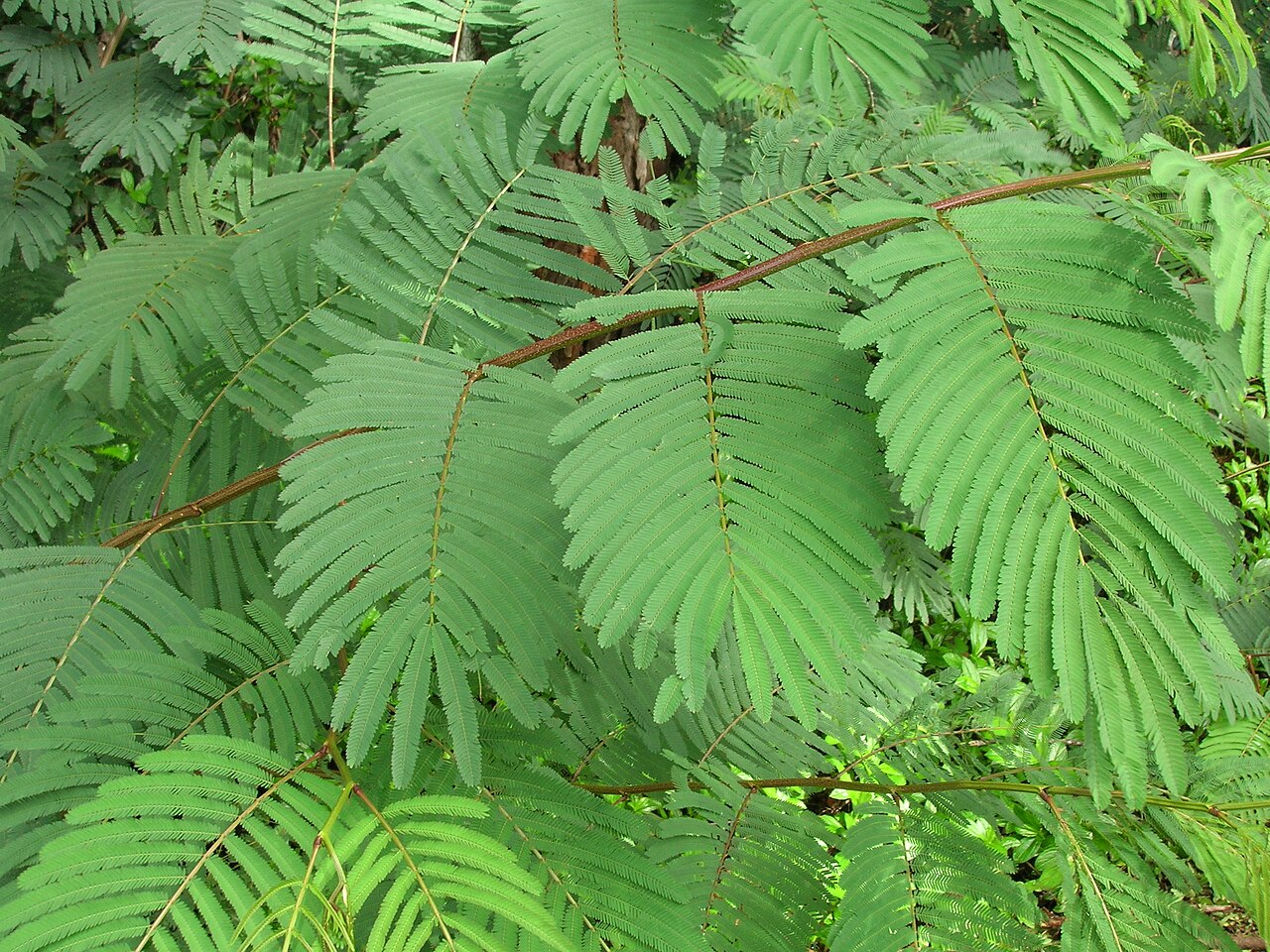
Two fodder shrubs that many Kenyan smallholders already grow, Calliandra calothyrsus and Leucaena leucocephala, reduced methane from a typical dairy cow ration by about 10 to 13% per unit of feed in laboratory tests, the International Livestock Research Institute (ILRI) reported.
Scientists at ILRI's Mazingira Centre in Nairobi and partner organisations replaced about 12% of a standard Kenyan dairy diet, on a dry matter basis, with leaves of different fodder species and measured the result in in vitro tests that simulate digestion in a cow's rumen. Calliandra and Leucaena cut methane without reducing how well the feed was digested or the energy it was estimated to provide. The findings are published in JDS Communications.
The team thinks tannins explain much of the effect: at moderate levels they hold back the rumen microbes that make methane without stopping the animal absorbing nutrients. Methane is a potent greenhouse gas, and it is also feed energy lost instead of turned into milk.
"These results are an important first step, but they now need to be validated in live animals under practical feeding conditions before recommendations can be made to farmers," said Edward H. Cabezas Garcia, who led the study. Feeding trials with live cows are planned to test whether emissions fall on farms while milk yields hold or rise.
The work matters because feed shortage is one of the biggest limits on Kenya's smallholder dairy farms. In the dry season many farmers rely on roughage such as Napier grass, maize stover and crop residues, which give less milk and more methane per litre. Shrub leaves could improve those diets and reduce spending on bought concentrates.
The shrubs also grow on farm boundaries, terraces or fodder banks, stay green in dry spells, fix nitrogen as legumes, give mulch and supply fuelwood. If live-animal trials confirm the lab results, ILRI says farmers will need reliable seed and seedlings and practical advice on planting, pruning and feeding rates.
Photo: Forest & Kim Starr / Wikimedia Commons (CC BY 3.0)
Source: ILRI
Comments
(0)