
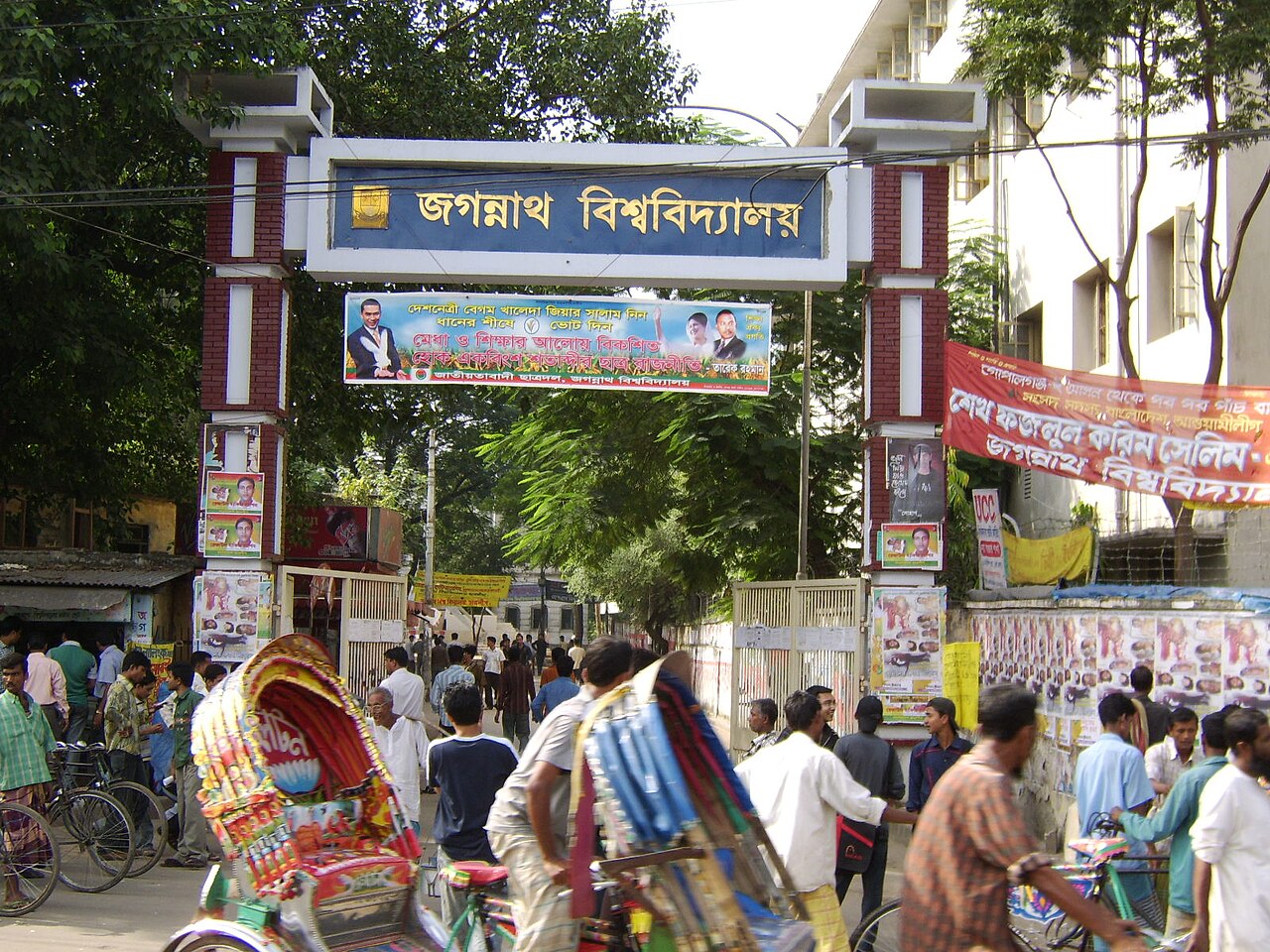
Most students at Jagannath University neither sleep on time nor eat enough. In a survey by the university's press club, 508 of 600 students, or 84.6 per cent, said they do not regularly sleep at a proper time, and 76 per cent said they do not eat enough. The 600 respondents, from various departments, were 392 male and 208 female students.
Of the 392 male students, 279 go to bed between midnight and 3am and the other 113 after 3am; none goes to bed before midnight. Of the 208 female students, 201 sleep after midnight. Of all 600, only seven go to bed before 12. Students blame long hours of study, assignments and exam preparation, phones and social media, and conditions in their messes or rented rooms.
Eating habits are just as worrying. Only 16 per cent eat three meals regularly. Of the male students, 378 eat only twice a day and just 20 eat breakfast regularly, against 189 of the 208 female students. Students point to late rising, early classes or exams, and the quality and availability of food in hall dining rooms and canteens.
Nushrat Jahan Mim, a second-year journalism student, said she often leaves home in Dhamrai at 5am to reach an 8:30 class and so misses breakfast. There are few decent eateries near campus, the cafeteria food is unhealthy and there is little seating, so on many days she eats only when she gets home in the evening.
The university's deputy chief medical officer, Dr Mita Shabnam, said irregular sleep can lead to insomnia, and lack of sleep brings fatigue, poor concentration and irritability; over time it raises the risk of heart disease, diabetes and high blood pressure. Skipping breakfast can lower blood glucose and affect concentration, memory and learning, and cause weakness, dizziness and headaches.
The university's student welfare adviser said such findings should be taken as a warning for society as a whole. Jagannath is a non-residential university, so many students live in messes or rented rooms and struggle with the cost of living in Dhaka; students under stress or suffering from depression can turn to the university's counselling centre, the adviser said.
The report is by Daily Bangladesh's Jagannath University correspondent.
Photo: Belayet Hossain / Wikimedia Commons (public domain); Jagannath University
Source: Daily Bangladesh

Comments
(0)