
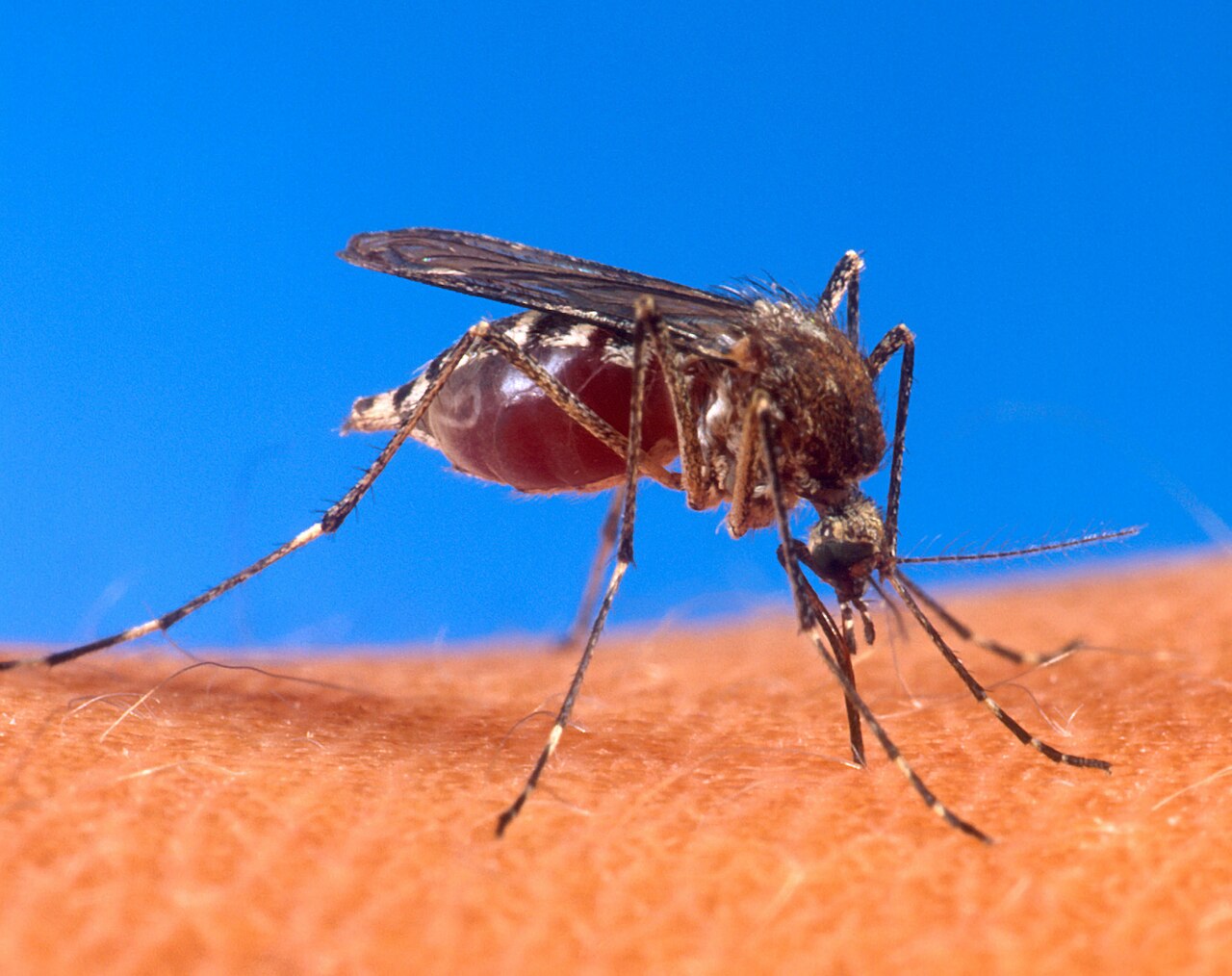
Kawsar Khan, Prothom Alo's Sydney correspondent and a registered migration agent in Australia, asks in an opinion column why Bangladesh, where dengue kills people every day, has no vaccine, while Australia, which has almost no local transmission, has it in stock. The views are the writer's own.
He opens with the death of a family friend's daughter: Rumaisa, aged 8 years and 10 months, developed a fever on 29 September and died in a Dhaka hospital on 1 October after seizures and internal bleeding. Both her parents are doctors.
In Australia, he writes, anyone aged four or over can now get Takeda's dengue vaccine Qdenga in two doses on a GP's prescription, although it is not subsidised. Citing official figures, he says Australia recorded 2,641 dengue cases in the 12 months to March last year, more than 94 percent of them infected abroad.
According to the figures he cites, an international trial in more than 20,000 children and adolescents found the vaccine more than 80 percent effective against confirmed dengue and cut the risk of hospitalisation by about 95 percent. In October 2023 the WHO's SAGE advisory group recommended it for 6- to 16-year-olds in high-transmission areas, two doses three months apart, and in May 2024 the WHO prequalified it. More than 40 countries have approved it, and India approved it this year for ages 4 to 60; Bangladesh has given no clear signal on registration or policy.
He makes four proposals: the health ministry and the Directorate General of Drug Administration should evaluate the vaccine quickly; a limited programme for children, adolescents and frontline workers in high-risk areas should begin in line with WHO advice; the government should import it at an affordable price with help from the manufacturer and the UN; and the process should be transparent, with public awareness. A vaccine will not fix everything, he adds: mosquito control and clean-ups must continue alongside it, and most of the roughly 48,000 mosquito control committees exist only on paper.
Photo: US Department of Agriculture / Wikimedia Commons (public domain)
Source: Prothom Alo

Comments
(0)