
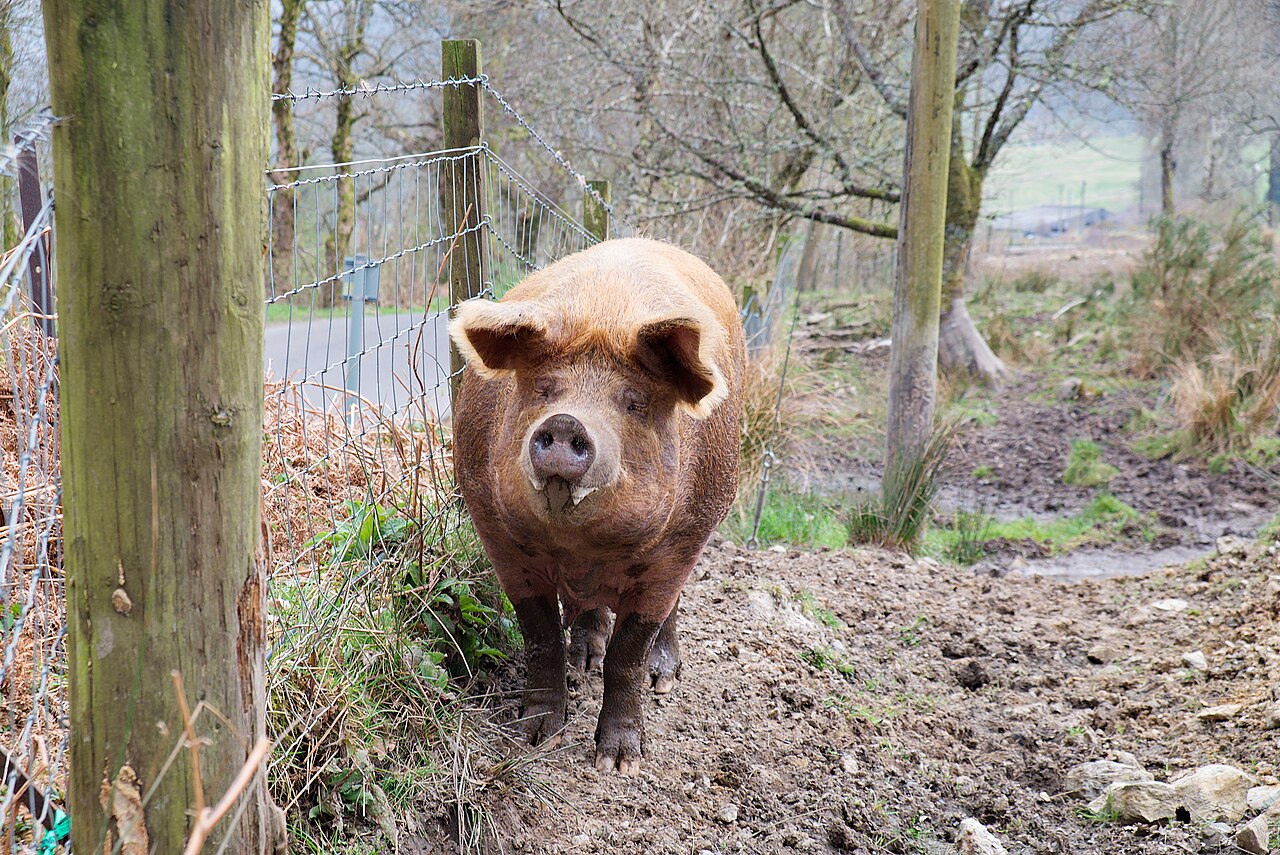
Dennis Bridgeford, who keeps an indoor herd of 550 sows near Easter Ross in Scotland's Highlands, argues in a column for Pig World that the country's once-proud pig sector is heading for terminal decline. The views are the writer's own.
He writes that many independent producers' pig supply contracts end in October and that some, he understands, have no abattoir lined up for pigs outside contract. At the same time, he says, processors are buying very cheap imported pigs where they can, which he links to the government's focus on the cost-of-living crisis.
In Scotland, by his count, the number of independent pig producers is now down in the 20s and the sector's critical mass is almost gone. He expects hard financial decisions in the coming months and sow slaughtering to gather pace as the vertically integrated companies do their sums. A better cull-sow trade would make those decisions easier: his last cull sows earned £7.80 a head after deductions, he writes, while cast ewes are making more than £200 a head.
The farm itself has had a difficult season. One June day brought 40mm of rain in three hours; a farm that usually combines first in the area finished last, still harvesting in mid-September, although the crop yielded well. Straw is still lying, and damp high-density bales turn hard and mouldy. A run of breakdowns followed, from the main tractor's gearbox and oil pump to the combine's bearings, the wet-feeding system and the mobile mill, all machines he says would normally have been replaced by now.
He finds some hope in the industry's small size. Scotland's few remaining pig farmers talk to each other constantly, including through a confidential phone group, and he suggests that may be one reason the herd's health is as good as it has ever been. With turmoil in Denmark, he adds, there may yet be a role for independents who can hold on.
He ends with a reminder that everyone needs a farmer, and the hope that the Scottish pig industry is valued before it is too late.
Photo: Trougnouf (Benoit Brummer) / Wikimedia Commons (CC BY 4.0)
Source: Pig World

Comments
(0)