
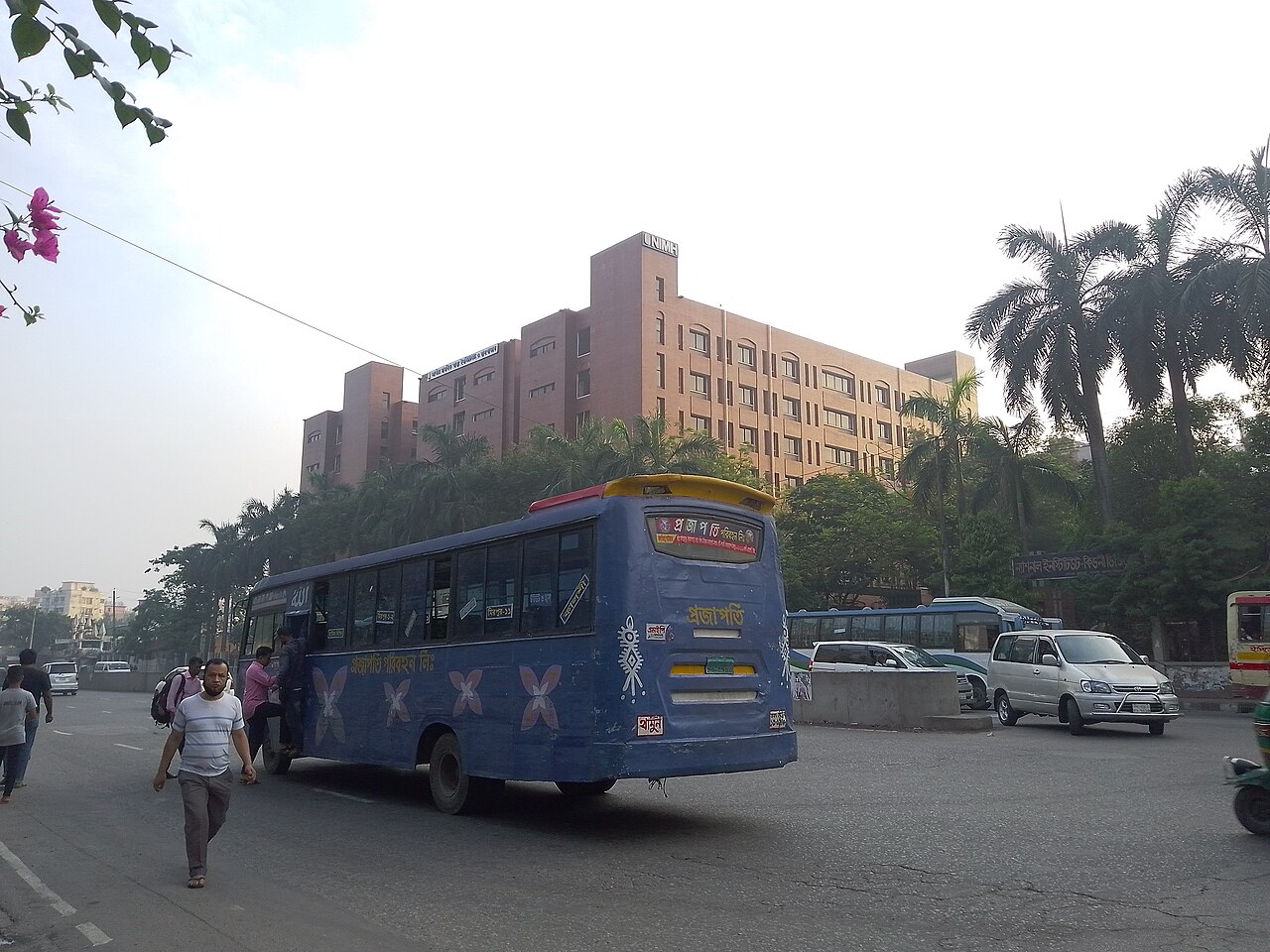
Nobody knows how many people in Bangladesh are living with a mental health problem today. The last national survey, run by the National Institute of Mental Health, was carried out in 2018-19, and there has been none in the seven years since, experts told Desh Rupantor in a report for World Mental Health Day on 10 October. This year's theme is "Lived Experiences Heard: Real Voices, Real Change".
That survey found that 18.7 percent of adults had some form of mental disorder, about 30 million people in a country of 180 million; 6.7 percent had depression and 4.5 percent an anxiety disorder. Among those under 18 the rate was 12.6 percent: one adult in five and one child in eight. More than 92 percent of affected adults, and 94.5 percent of children, had never received evidence-based mental health care.
Dr Md Taiyabur Rahman, mental health programme manager at the World Health Organization and an assistant professor at the National Institute of Mental Health, said a national survey should be held at least every five years. Since 2019 people have lived through the COVID-19 pandemic, political turmoil, rising prices and outbreaks of measles and dengue, so the situation is likely to be worse than before. A survey may be held next year, he said, and will show where things stand.
Services are thin as well. According to the report, mental health care is largely confined to Dhaka and the divisional cities, and there are just 0.50 mental health workers for every 100,000 people. At a seminar of the Bangladesh Association of Psychiatrists (BAP) on 8 October, speakers called for services to be extended to districts and upazilas, and for psychiatry departments with specialists in every public and private medical college.
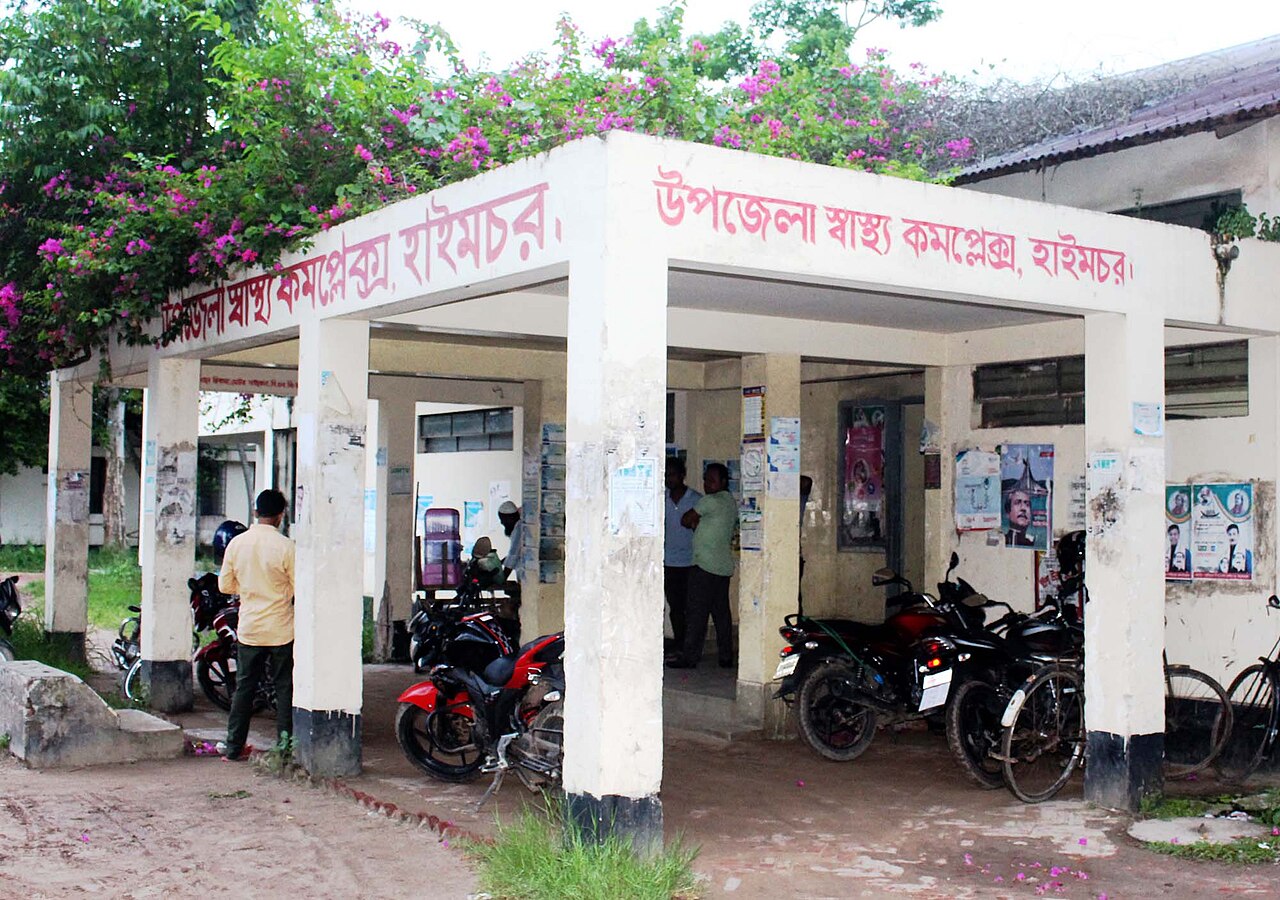
Professor Salahuddin Kausar Biplob, head of mental health at Bangladesh Medical University, said that besides drug addiction, internet and phone addiction, online gambling and compulsive reel-watching are rising, and research and surveys are needed to measure them. BAP member secretary Professor Md Nizam Uddin said the government has taken some steps, including mental health corners at upazila health complexes.
Dr Muntasir Maruf, an associate professor at the National Institute of Mental Health, said people who have lived through depression, anxiety, psychosis or addiction know when a problem first becomes apparent, what fear stops them telling their families and what obstacles they meet in seeking treatment, knowledge that cannot always be learned from books. The WHO this year urges that such people be made partners in policy and service planning, and that care move from institutions to the community.
Experts quoted in the report say about 13,000 people take their own lives in Bangladesh each year and that most of them had a mental health problem; much of this is preventable with awareness and timely care. Anyone in crisis, or worried about someone who is, should seek a doctor's help without delay. The report is by Arif Shaon of Desh Rupantor.
Photo: Yahya / Wikimedia Commons (CC BY-SA 4.0); the National Institute of Mental Health and Hospital in Dhaka
Source: Desh Rupantor


Comments
(0)