
India's food regulator, the Food Safety and Standards Authority of India (FSSAI), has ordered a specific batch of Everest brand cumin powder, number EO80668761, withdrawn from the market immediately. A sample taken from a resort in Goa was found to contain pesticide residues above the permitted limit, the Kolkata daily Ei Samay reports.
Adulteration or harmful substances in packaged spice powders are hard to spot by eye. According to FSSAI food safety guidelines, whole cumin is sometimes bulked out with grass seeds blackened with charcoal dust and with cheap fennel. But FSSAI says a few simple tests at home can tell genuine whole and ground cumin from fake.
The regulator's "Detect Adulteration with Rapid Test" guide describes checks anyone can do at home. The first is for whole cumin: rub a few seeds between your palms for a while. If your palms turn black or grey, the cumin contains grass seeds coloured with charcoal; genuine cumin leaves no colour.
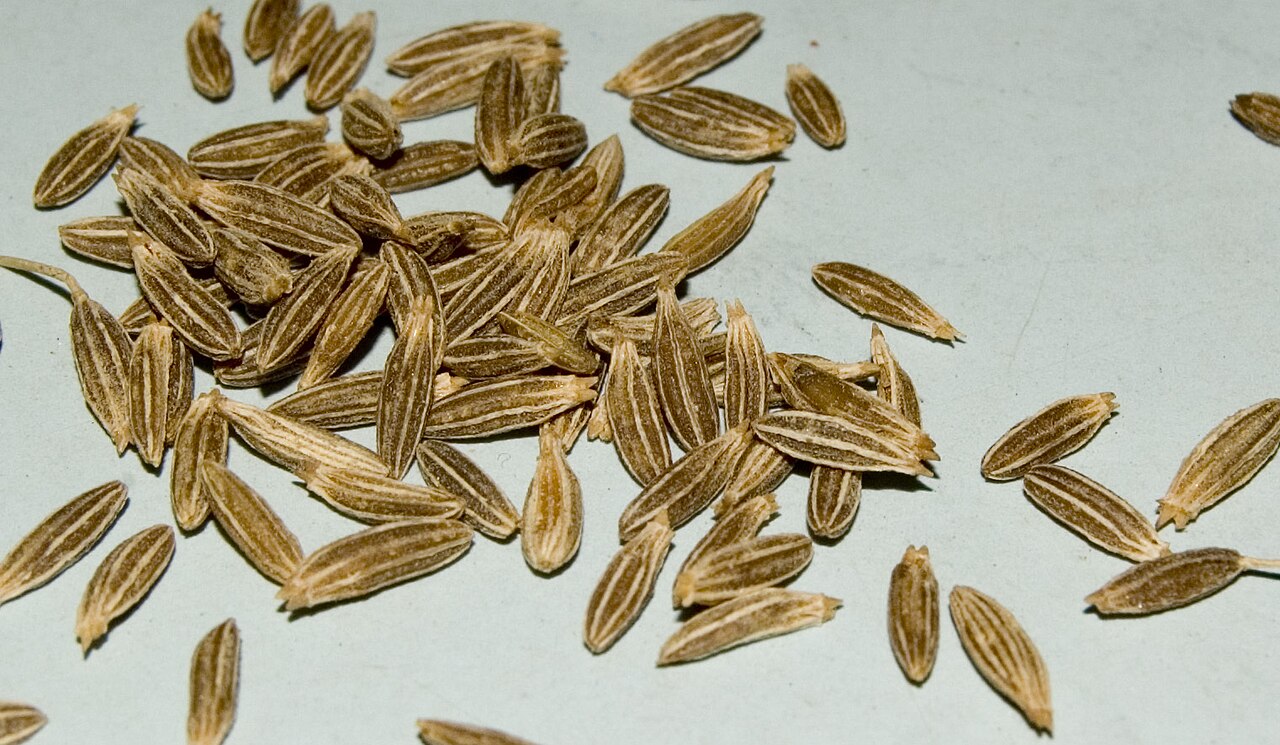
In the second, spread some whole cumin on a glass plate and look closely. Differences in size and the ridges along the middle make the cheaper fennel seeds easy to pick out.
The third is for powder: stir a little cumin powder into water in a glass and add a few drops of tincture of iodine. If the mixture turns dark blue or purple, it contains starch, flour or chalk.
The report is by Ei Samay's Ankita Das.
Photo: Chaitanya B D / Wikimedia Commons (public domain); cumin seeds
Source: Ei Samay




Comments
(0)