
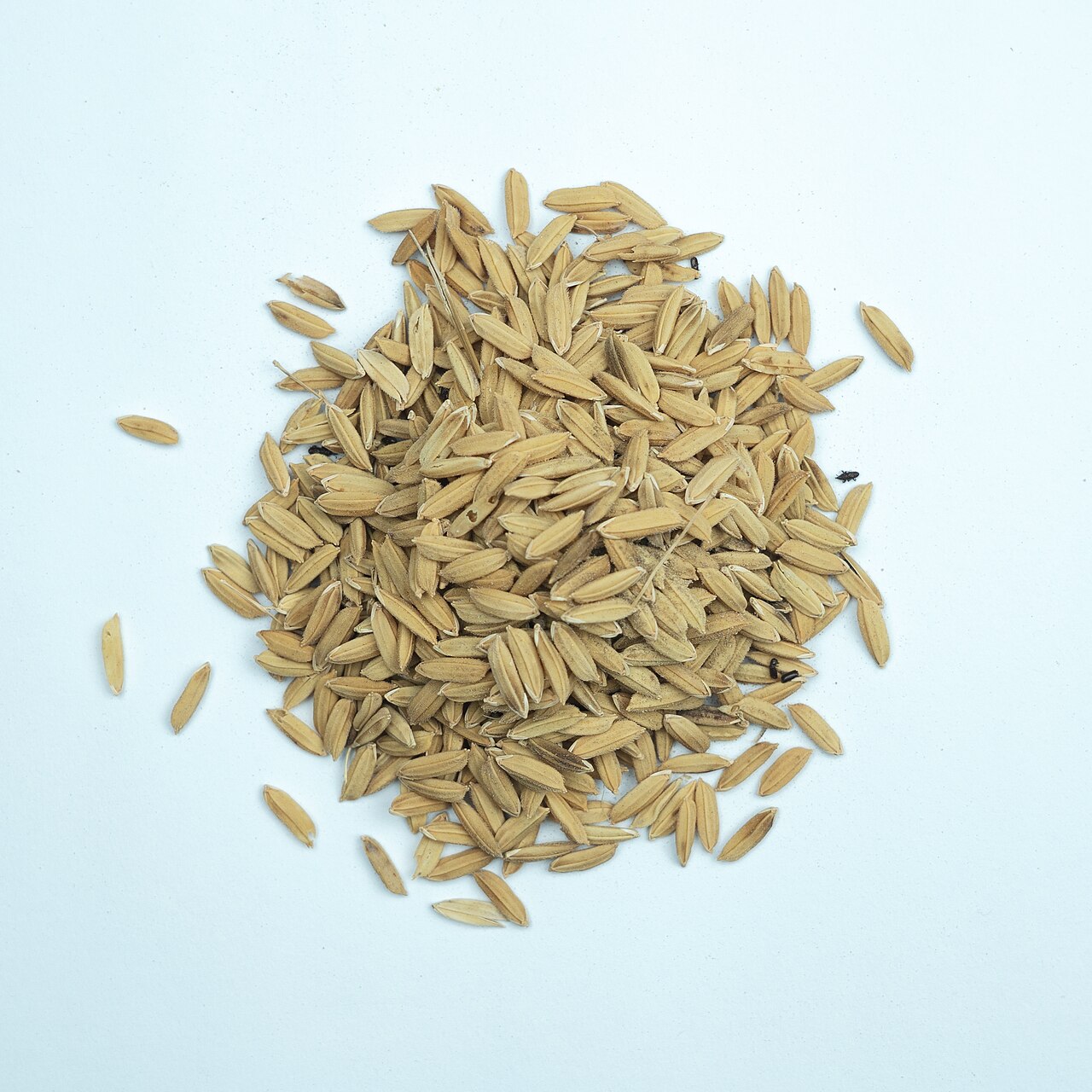
Bangladesh grows more food than ever, but the nutritional value of its grain may be slipping. Intensive cultivation, climate change and nutrient-poor soils are raising the risk that people who eat enough still go short of zinc, iron and protein, according to a special report by the state news agency, Bangladesh Sangbad Sangstha (BSS).
For decades the priority has been raising output, the report says, and the falling nutrient density of several food grains has now come to the fore. Research has raised concern about the effects of rising carbon dioxide in the atmosphere, high-yielding varieties and intensive farming systems.
Zinc deficiency among children and women in Bangladesh is described as worrying. Even with enough rice, the body can lack essential minerals. A narrow diet and the declining nutrient value of rice are named as likely causes.
Soil health is another large challenge. Intensive cropping, a shortage of organic matter and unbalanced fertiliser use can upset the balance of nutrients in the soil. When the beneficial microbes in soil are disrupted, plants find it harder to take up minerals.
The response so far is to breed and spread nutrient-rich varieties. The Bangladesh Rice Research Institute (BRRI) has released zinc-enriched BRRI dhan74 and BRRI dhan100. A balanced diet, and less over-milling and polishing of rice, are also called important.
Experts recommend organic manure, balanced doses of chemical fertiliser, crop rotation and more cultivation of nutrient-rich local crops. They also argue that farm success should be measured by the nutritional quality of crops, not by yield alone.
People working in agriculture and nutrition say keeping the nutritional quality of food matters as much as food security itself. Otherwise, the country could produce enough food and still fail to meet its people's nutritional needs.
Reported by the Agricare24 desk from a BSS special report.
Photo: ROCKY / Wikimedia Commons (CC BY-SA 4.0)
Source: Agricare24
Comments
(0)