
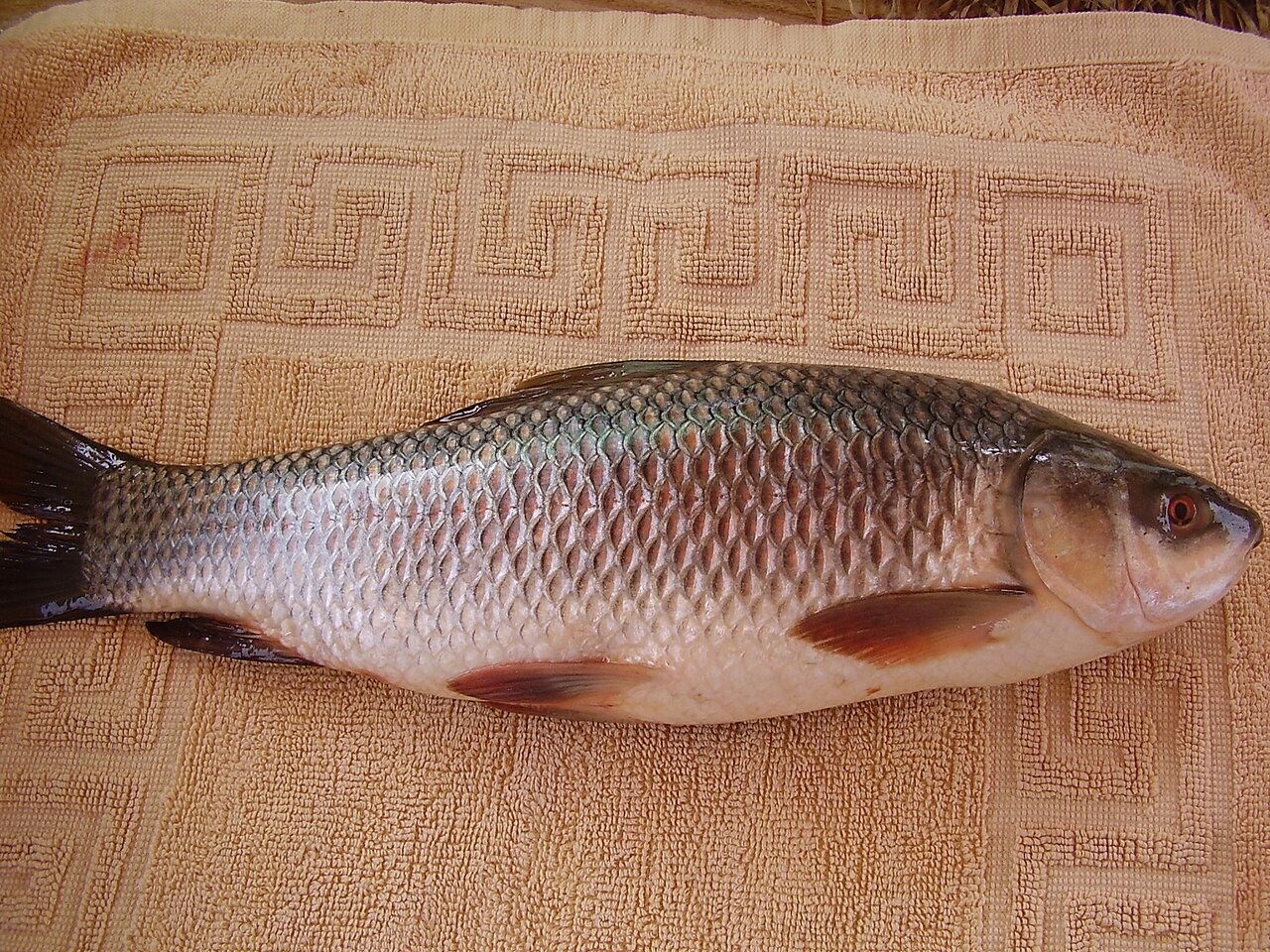
An ongoing doctoral study at MIT World Peace University (MIT-WPU) in Pune has detected microplastics in freshwater fish commonly eaten in the city, AgroSpectrum reports. PhD scholar Simran Singh of the Department of Environmental Studies, supervised by Dr Soma Mishra, is examining commercially sold fish, particularly rohu and tilapia, for the occurrence, type and likely sources of microplastic contamination.
The researchers first mapped the city's supply chain, interviewing 26 wholesalers and distributors across four zones. They estimate that 37-40 tonnes of freshwater fish enter Pune's market every day, much of it from aquaculture and from Andhra Pradesh, Gujarat, Ratnagiri, Mumbai and Kolkata.
Laboratory tests found microplastic fibres, fragments and pellets in the samples. Based on the levels found and local eating habits, the study estimates that a person eating 250 grams of freshwater fish twice a week for 50 years could ingest between 93,600 and 124,800 microplastic particles. The researchers stress that a particle count says nothing directly about health effects, which depend on particle size, polymer type and attached contaminants; quantitative analysis and polymer identification are still under way.
"Most discussions on microplastic pollution focus on marine environments. However, freshwater ecosystems and inland cities like Pune remain relatively understudied," Singh said. The study aims to set baseline data to inform plastic and wastewater management, freshwater conservation and food safety.
Photo: Khalid Mahmood / Wikimedia Commons (CC BY-SA 4.0)
Source: AgroSpectrum


Comments
(0)