
Food grown to Regenerative Organic Certified (ROC) standards can be measurably more nutritious than conventional reference values, according to a new report from the Regenerative Organic Alliance (ROA), which runs the certification, and the food-testing company Edacious. The report covers the first year of a four-year partnership launched in September 2025 to test the nutritional value of regenerative farming.
In year one, 17 brands tested at least one ROC product with Edacious, and 13 agreed to publish their results: 46 products across grains and legumes, oils, meat and protein, produce, snacks and eggs. Brands named include Niman Ranch, Patagonia Provisions, Lundberg and Charcutnuvo. Edacious measures nutrient density and contaminants, including heavy metals and glyphosate, and benchmarks each nutrient per serving against USDA reference values rather than against side-by-side conventional samples.
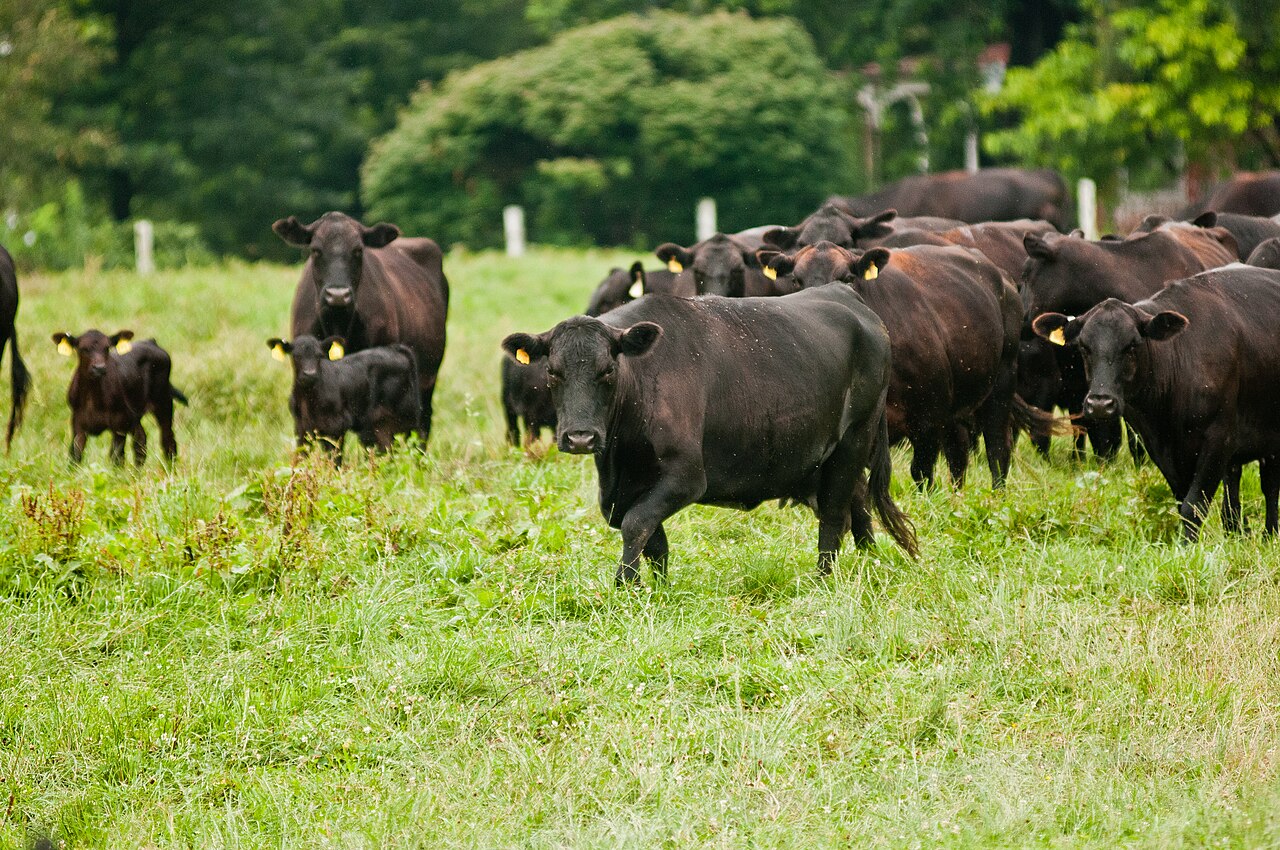
According to the report, ROC ground beef carried 124% to 388% more omega-3 than the USDA reference, and all 10 legumes tested had more phosphorus than their USDA counterparts (16% to 584% more), with some qualifying as a rich source of selenium. Darcey Howard, ROA's head of marketing and engagement, said nearly every ROC meat product landed at an omega-6 to omega-3 ratio between roughly 1:1 and 2.3:1, against as high as 15:1 in conventional meat, which she attributed to the pasture and forage feeding standards at the core of the certification.
"Nutrition is not fixed by the ingredient list. How food is grown and raised changes what ends up on the plate, and we can now measure it," said Edacious chief executive Eric J. Smith, adding that year one showed real differences in protein and fibre.
Howard said the data gives food companies something consumers respond to more than soil health: nutrient density, fibre and protein. In year two the partners plan to bring in more ROC brands and under-represented food categories, aiming for more than 200 products tested.
The report was written by Jennifer Marston for AgFunderNews.
Photo: USDA / Wikimedia Commons (CC0)
Source: AgFunderNews


Comments
(0)