

Maharashtra will release drought relief to farmers from its own treasury rather than wait for central assistance, Chief Minister Devendra Fadnavis said after visiting dried-out fields in Washim district in the east of the state. He called the situation "extremely serious" and said the government would issue a Government Resolution on Friday to provide assistance under 'Trigger 1' of the state's drought relief code.
The Chief Minister inspected damaged soybean and tur crops at Mhasla in Karanja taluka, Mohgavhan in Mangrulpir taluka and Jaulka in Malegaon taluka, and spoke to farmers about crop losses, water shortages and the hit to household incomes. "There is no water anywhere. Crops have dried up, especially soybean, which has been greatly affected. Farmers have suffered losses," he said.
The rainfall figures behind the visit are stark. Washim district received 77.9% of its average rainfall between June and September, according to an official statement, and all 13 of its talukas went through dry spells of more than 20 days. August brought 53.7% of the average and September only 30.7% of normal rainfall at the time of the assessment. "Thirty per cent rainfall has occurred. A 70% deficit means it is a very severe drought," Fadnavis said of the worst-hit pockets.
Areas left out of the first trigger could be added later under the third trigger after further assessment, he said. A cabinet sub-committee headed by Revenue Minister Chandrashekhar Bawankule will review the situation weekly, assess the damage and recommend relief; it draws in the departments of water resources, disaster management, water supply, soil and water conservation, agriculture, animal husbandry, rural development, transport, relief and rehabilitation, and cooperation, with the Chief Secretary as its secretary. Local authorities have been told to complete 'panchnamas' of damaged crops so that eligible farmers can be covered.
The state has already begun implementing a loan waiver scheme and has waived farmers' electricity bills, Fadnavis said. Banks will be instructed to give fresh loans, under the applicable rules, to farmers whose earlier loans were waived, and not to pursue recoveries during the crisis. But loan relief alone will not be enough: "Farmers will now need direct assistance because in some places they may face fodder problems, in some places children's education will be at risk, and in some places there will be a shortage of foodgrains."
The relief package is therefore to cover foodgrains, support for livestock, education expenses and irrigation assistance for the Rabi season, alongside compensation for crop losses. Fadnavis said the administration would try to get the money to farmers before Diwali, and that arrangements would be made to head off shortages of drinking water and fodder in the coming months.
The government will also concentrate watershed work in the drought-hit talukas — desilting dried-up water bodies and repairing or building water-conservation structures — which is intended both to improve water availability and to give wage work to rural households that have lost a crop. The administration, Fadnavis indicated, is planning for a longer spell of water stress rather than a single failed season.
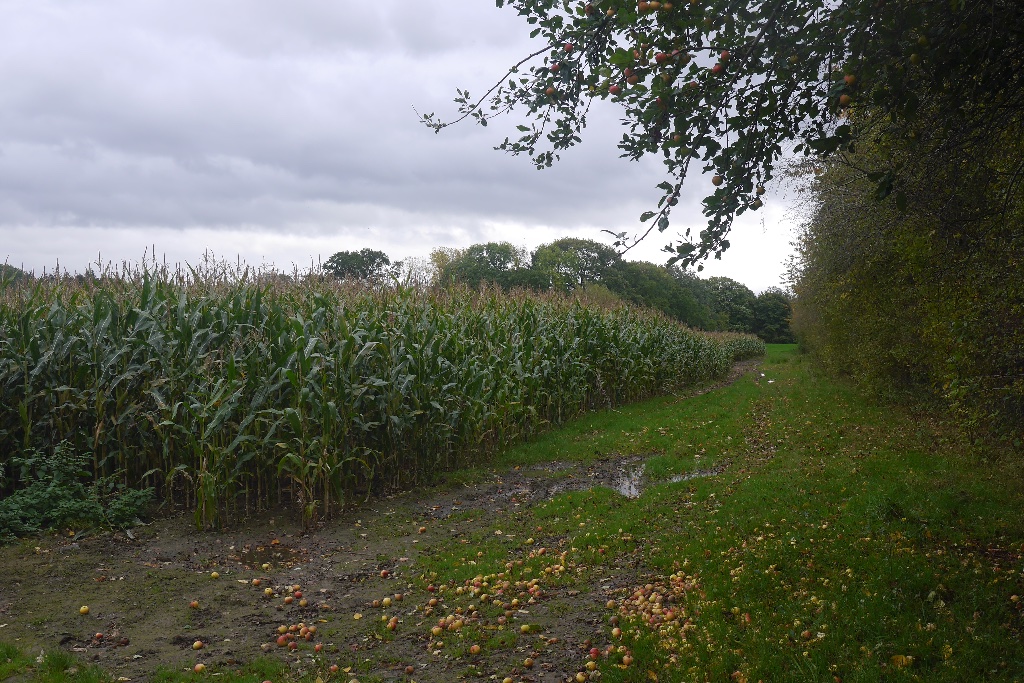
Photo: Valisport24 / Wikimedia Commons (CC BY-SA 4.0)
Source: Financial Express Agriculture

Comments
(0)