
NSW Farmers has called for a stronger agreement between the New South Wales and Australian governments to cut duplication in environmental law, and has launched a members-only tool to help farmers work out what the federal rules require of them.
The call came during an on-farm visit at Illabo in southern NSW, where the association met the National Environmental Protection Agency and NSW Local Land Services. The host was Murray Norman, a member of the association’s Environment Protection and Biodiversity Conservation (EPBC) Taskforce.
The association recently adopted a policy backing a bilateral agreement that would reduce duplication, recognise existing state assessments and give farmers a simpler route to compliance. It also wants Local Land Services properly funded to offer practical help on the ground.
President Rebecca Reardon said meeting NSW land management rules does not automatically satisfy federal law. “A farmer can follow NSW land management requirements and still be left wondering whether they’re complying with Commonwealth environmental laws,” she said, adding that farmers need clear answers before they book contractors, invest money, clear vegetation or maintain infrastructure.
The new tool, FarmCheck, takes users through identifying a proposed activity, gathering property records, checking NSW requirements, reviewing Commonwealth mapping and protected species information, assessing possible impacts and recording their decisions.
Taskforce chair Richard Bootle said it is a starting point with limits: it “cannot grant approvals or resolve every uncertainty”, particularly on habitat assessments, significant-impact thresholds and existing state approvals. He also said the association does not want to lose the exemptions NSW farmers have fought to keep.
Norman said his farm business had spent considerable time trying to understand how the two sets of rules apply to it, and hoped the talks would lead to clearer guidance and better self-assessment tools.
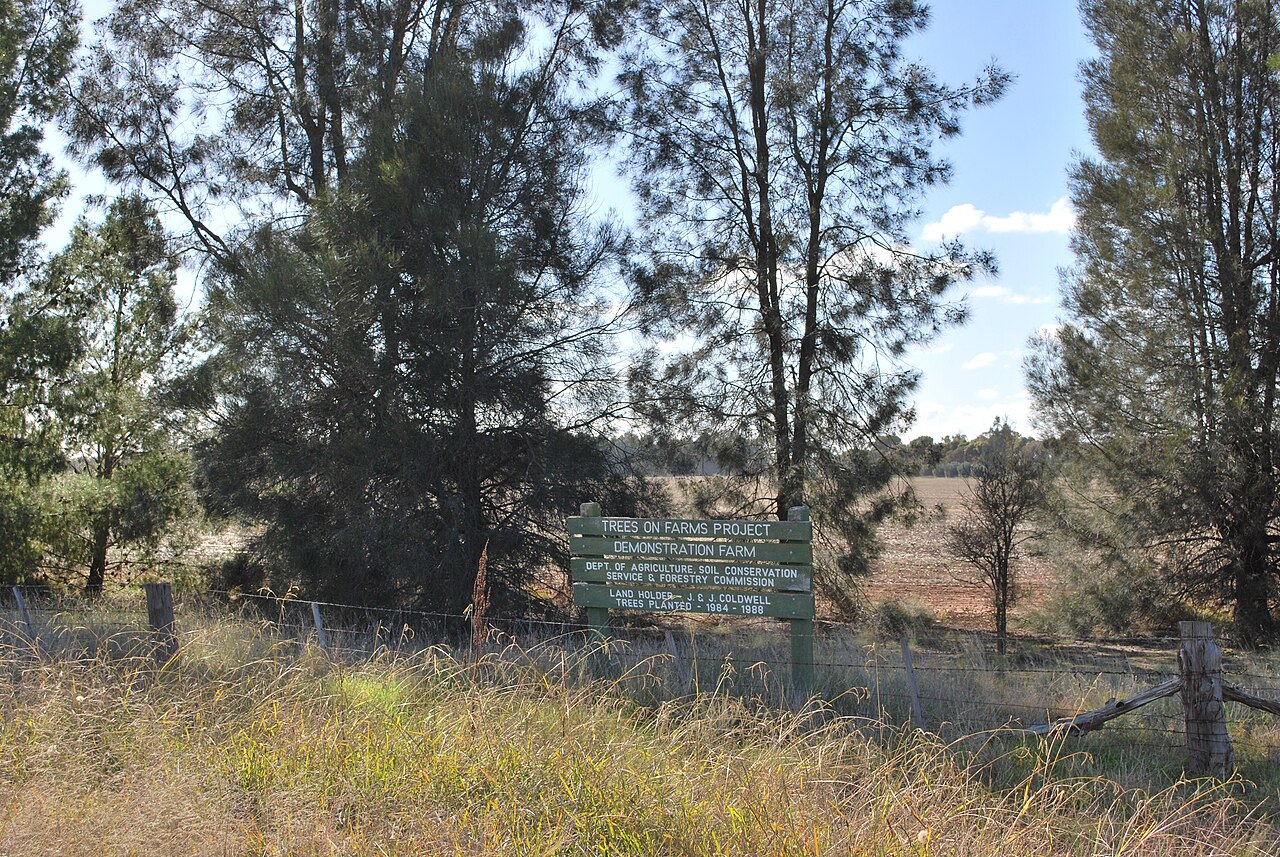
Photo: Mattinbgn / Wikimedia Commons (CC BY 3.0)
Source: Beef Central



Comments
(0)